In many manufacturing industries, maintaining a controlled environment is just as important as the production process itself. Tiny airborne particles, temperature fluctuations, or uncontrolled humidity can affect product quality, equipment performance, and regulatory compliance.
This is where cleanrooms become critical.
From pharmaceuticals and electronics to semiconductor and medical device manufacturing, cleanrooms are designed to maintain highly controlled environmental conditions.
However, not all cleanrooms operate at the same level of cleanliness. This is defined through cleanroom classification.
Understanding cleanroom classification is essential for manufacturers because it directly affects product quality, compliance requirements, operational cost, and facility design.
What Is a Cleanroom?
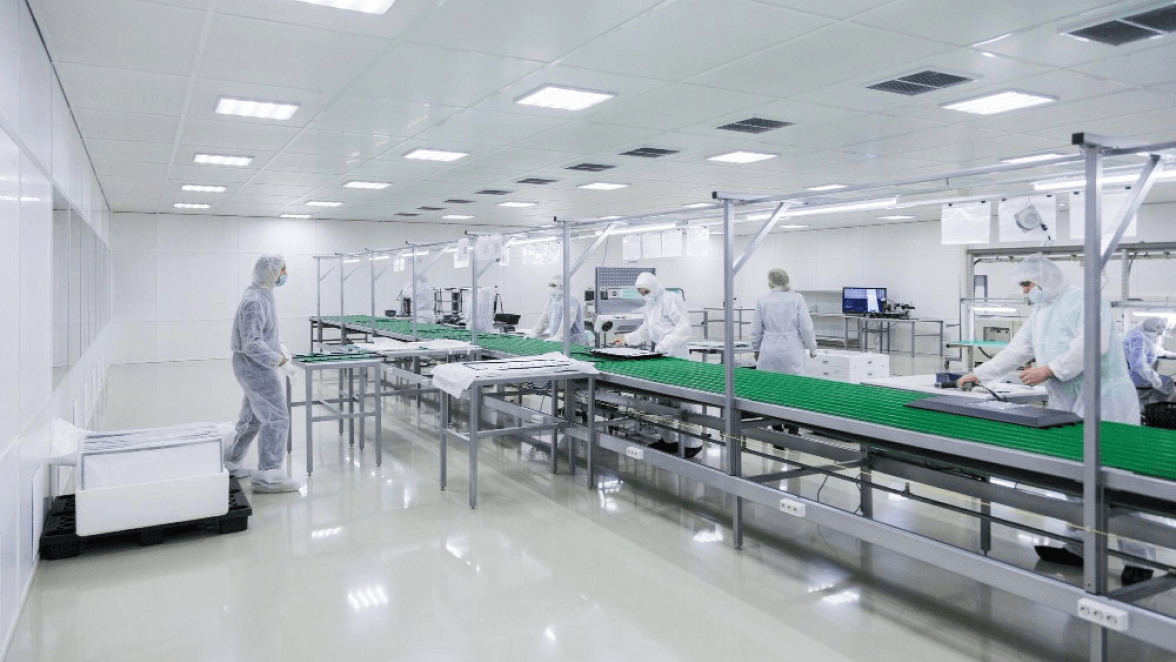
A cleanroom is a specially designed controlled environment where airborne particles, contaminants, temperature, humidity, and pressure are regulated within specified limits.
The primary objective is to minimize contamination that could affect products or manufacturing processes.
Unlike conventional industrial spaces, cleanrooms use:
- Controlled airflow systems
- High-efficiency filtration
- Pressure differentials
- Strict operational protocols
The cleaner the environment required, the more stringent the control systems become.
What Does Cleanroom Classification Mean?
Cleanroom classification refers to the level of air cleanliness maintained inside the controlled space.
The classification is based mainly on the concentration and size of airborne particles permitted within a specific volume of air.
Globally, cleanrooms are commonly classified according to the International Organization for Standardization ISO 14644 standard.
Under this system:
- Lower ISO class numbers indicate cleaner environments
- Higher ISO class numbers allow higher particle concentrations
For example, an ISO Class 5 cleanroom is significantly cleaner than an ISO Class 8 cleanroom.
Why Cleanroom Classification Matters in Manufacturing
Cleanroom classification is not just a technical label. It directly impacts manufacturing quality and operational reliability.
In industries such as pharmaceuticals or semiconductors, microscopic contamination can lead to:
- Product rejection
- Equipment malfunction
- Regulatory non-compliance
- Reduced product shelf life
In precision manufacturing environments, even particles invisible to the human eye can create serious quality issues.
This is why the required cleanroom class must align carefully with the manufacturing process and product sensitivity.
Different Industries Require Different Cleanroom Standards
Not every manufacturing sector requires the same level of cleanliness.
Pharmaceutical and biotech facilities often require highly controlled environments to prevent microbial contamination. Electronics and semiconductor manufacturing focus more on particulate control to protect delicate components.
Medical device manufacturing may require a combination of both.
In many industrial applications, overdesigning a cleanroom increases operating cost unnecessarily, while under designing creates quality and compliance risks. Selecting the right classification level is therefore a critical planning decision.
How Cleanroom Classification Affects Facility Design
Cleanroom requirements influence almost every aspect of industrial facility design.
Unlike conventional factories, cleanroom facilities must integrate:
- Controlled HVAC systems
- Pressure-controlled spaces
- Airlocks and gowning areas
- Special wall, ceiling, and flooring finishes
The stricter the cleanroom classification, the more sophisticated the infrastructure becomes.
This significantly affects layout planning, utility requirements, and energy consumption.
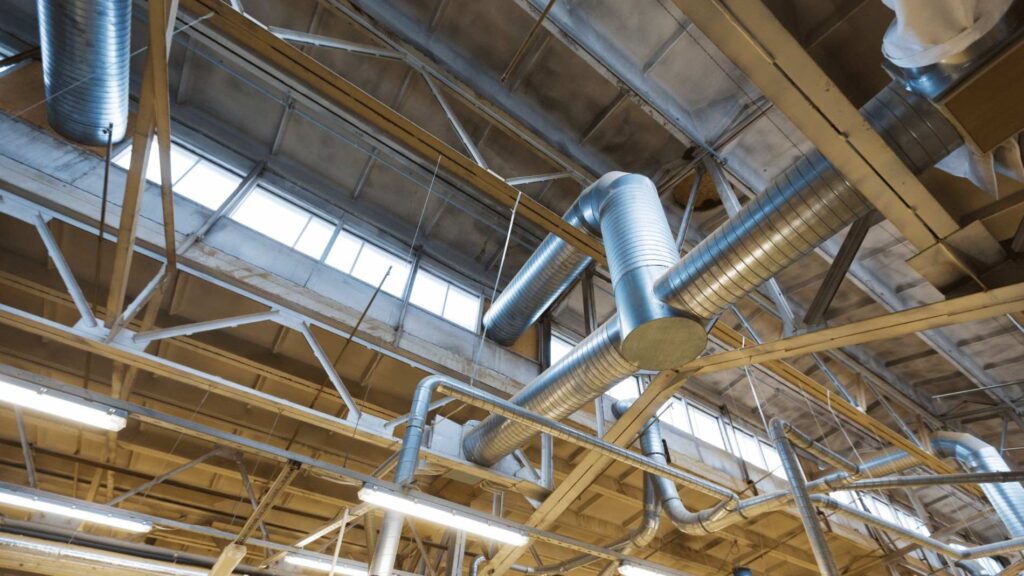
HVAC Systems
HVAC design plays the most important role in maintaining cleanroom classification.
Cleanrooms rely on:
- HEPA or ULPA filtration systems
- Controlled air change rates
- Laminar or turbulent airflow management
- Temperature and humidity control
Air pressure differentials are also carefully maintained to prevent contamination transfer between spaces.
In high-grade cleanrooms, HVAC systems account for a major portion of both capital cost and operating energy consumption.
Material and Surface Considerations
Cleanroom surfaces must minimize particle generation and support easy cleaning.
Materials are selected based on:
- Smoothness and non-porosity
- Resistance to chemicals and cleaning agents
- Minimal dust generation
Conventional industrial finishes are usually unsuitable for controlled environments.
Even small details such as door hardware, lighting fixtures, and cable penetrations require careful planning to maintain cleanliness standards.
Why Cleanroom Planning Should Begin Early
Cleanroom requirements cannot simply be added to a conventional factory design later.
Early-stage planning is critical because cleanrooms affect:
- Building orientation and zoning
- Utility planning and redundancy
- Structural and ceiling systems
- Maintenance access and operational flow
Retrofitting cleanroom infrastructure later is often costly and operationally disruptive.
Integrated planning between process, architecture, utilities, and HVAC systems ensures that the facility performs efficiently while meeting required standards.
Conclusion
Cleanroom classification is far more than a technical specification. It defines how controlled, reliable, and compliant a manufacturing environment must be.
From pharmaceuticals and electronics to advanced industrial manufacturing, selecting the right cleanroom classification directly affects product quality, operational stability, and long-term efficiency.
VMS supports industrial clients with integrated planning, engineering, and project management solutions, helping develop cleanroom-ready manufacturing facilities that balance compliance, operational efficiency, and long-term performance.