
A factory layout is much more than the placement of machines inside a building. It defines how materials move, how people work, how utilities are distributed, and how efficiently the entire operation functions over time.
Yet, in many industrial projects, layout planning is approached too late or treated only as a space arrangement exercise. The result is often operational bottlenecks, safety concerns, difficult expansions, and avoidable long-term costs.
An efficient factory layout supports productivity, flexibility, maintenance, and future growth simultaneously. Poor layouts, on the other hand, continue creating inefficiencies long after construction is complete.
This article highlights ten common mistakes factory owners and project teams should avoid while planning industrial layouts.
1. Planning the Building Before Understanding the Process
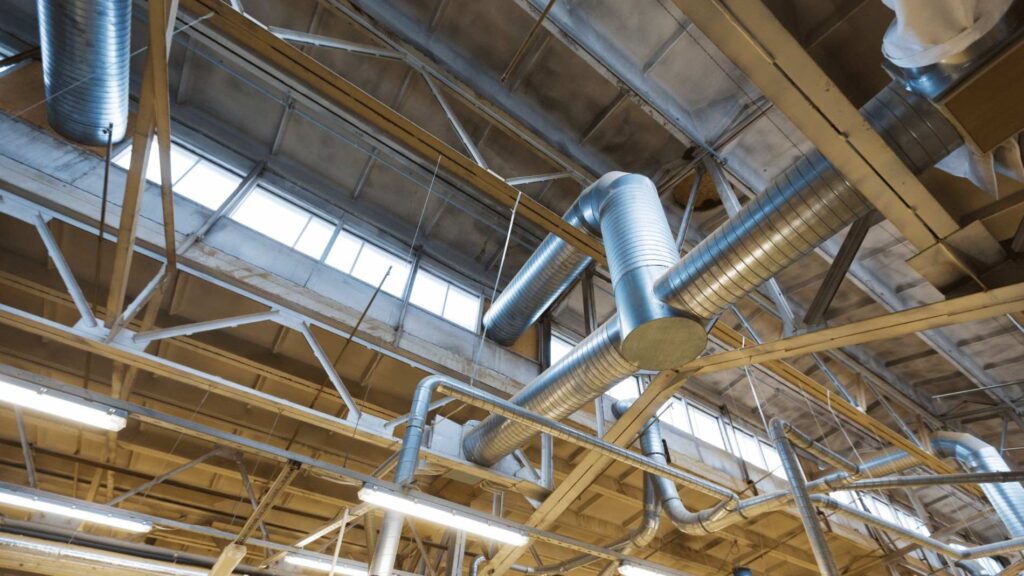
One of the biggest mistakes is finalising the building layout before fully understanding the manufacturing process.
Factory layouts should be designed around:
- Material flow
- Production sequence
- Utility requirements
- Maintenance access
When architectural planning happens first, production teams are often forced to fit operations into unsuitable spaces later.
A process-led approach always delivers more efficient layouts than a building-led approach.
2. Ignoring Future Expansion Requirements
Many factories are planned only for immediate production needs.
As business grows, additional machines, storage areas, or utility systems need space. If expansion planning is ignored initially, future growth becomes difficult and expensive.
This often results in:
- Congested production areas
- Temporary structures and extensions
- Disrupted workflows
Even a simple provision for expansion corridors or future utility capacity can significantly improve long-term flexibility.
3. Poor Material Flow Planning
Material movement is one of the most overlooked aspects of layout planning.
Inefficient layouts increase:
- Internal transportation time
- Handling costs
- Risk of product damage
Cross-movement between raw materials, work-in-progress, and finished goods creates operational confusion and safety concerns.
Good layouts minimise backtracking and unnecessary movement while maintaining a smooth production sequence.
4. Underestimating Storage and Logistics Space
Factories often focus heavily on production space while underestimating storage requirements.
Raw materials, packaging, finished goods, and spare parts all require dedicated planning. In Indian manufacturing environments, where inventory levels may fluctuate due to supply chain variability, inadequate storage quickly affects operations.
Internal logistics areas such as loading docks, truck circulation, and staging zones are equally important.
Without proper logistics planning, even efficient production lines struggle operationally.
5. Inadequate Utility Planning
Utilities are frequently treated as secondary infrastructure instead of core operational systems.
Poor planning for:
- Electrical routing
- HVAC systems
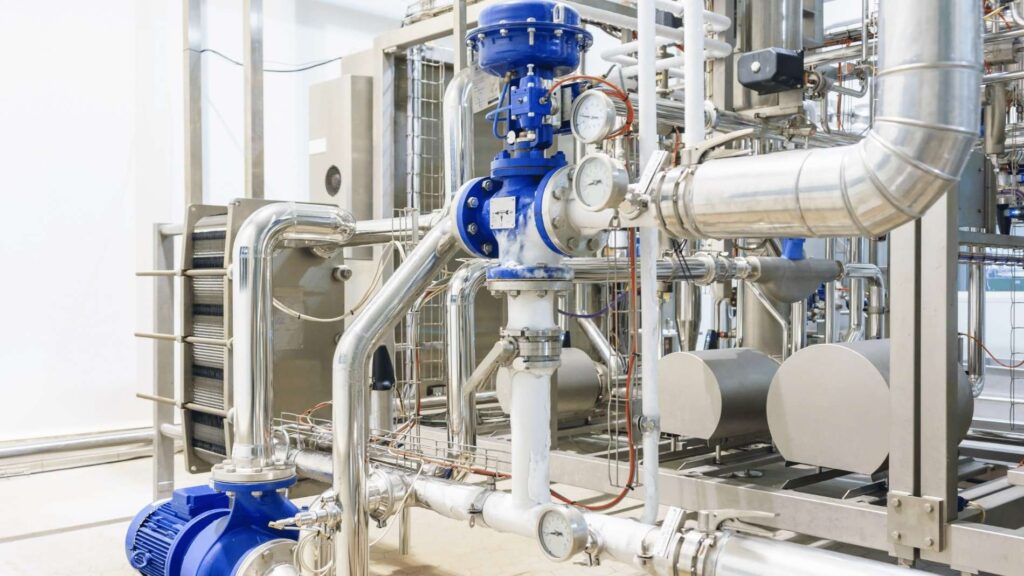
- Compressed air distribution
- Water and drainage networks
creates maintenance difficulty and operational inefficiencies later.
According to the Bureau of Energy Efficiency, utility inefficiencies contribute significantly to industrial operating costs in India.
Integrating utilities early into layout planning improves both efficiency and maintainability.
6. Overcrowding Machines to Reduce Built-up Area
Reducing built-up area may lower initial construction cost, but overcrowded layouts create long-term problems.
Insufficient spacing affects:
- Operator movement
- Maintenance access
- Safety compliance
- Equipment servicing
Machines that are difficult to access usually experience delayed maintenance and higher downtime.
Well-planned spacing improves operational reliability without significantly increasing project cost.
7. Neglecting Maintenance Accessibility
A layout may appear efficient during installation but become problematic during operations if maintenance access is ignored.
Equipment requires space for:
- Inspection and servicing
- Component replacement
- Crane or lifting access
In many factories, maintenance teams struggle because equipment is packed tightly without considering operational realities.
Maintenance-friendly layouts reduce downtime and improve equipment life.
8. Ignoring Safety and Emergency Movement
Safety should never be treated as an afterthought in factory planning.
Common layout-related safety mistakes include:
- Blocked emergency exits
- Shared pedestrian and forklift movement paths
- Inadequate fire access routes
These issues not only increase operational risk but may also create statutory compliance problems.
Guidelines from the National Safety Council emphasize the importance of integrating safety into industrial planning rather than adding it later.
9. Lack of Coordination Between Departments
Factory layouts involve multiple stakeholders:
- Production teams
- Architects and engineers
- Utility consultants
- Safety and maintenance personnel
When layouts are developed in isolation, operational clashes emerge later.
For example:
- Utility routes may interfere with production flow
- Structural columns may block machine movement
- Logistics access may conflict with pedestrian circulation
Integrated coordination during planning prevents these issues before execution begins.
10. Designing for Current Operations Only
Manufacturing technologies, product lines, and operational models continue evolving.
Layouts designed too rigidly often struggle to adapt to:
- Automation upgrades
- New product requirements
- Process modifications
Factories today must be planned with flexibility in mind.
This includes:
- Modular production zones
- Flexible utility routing
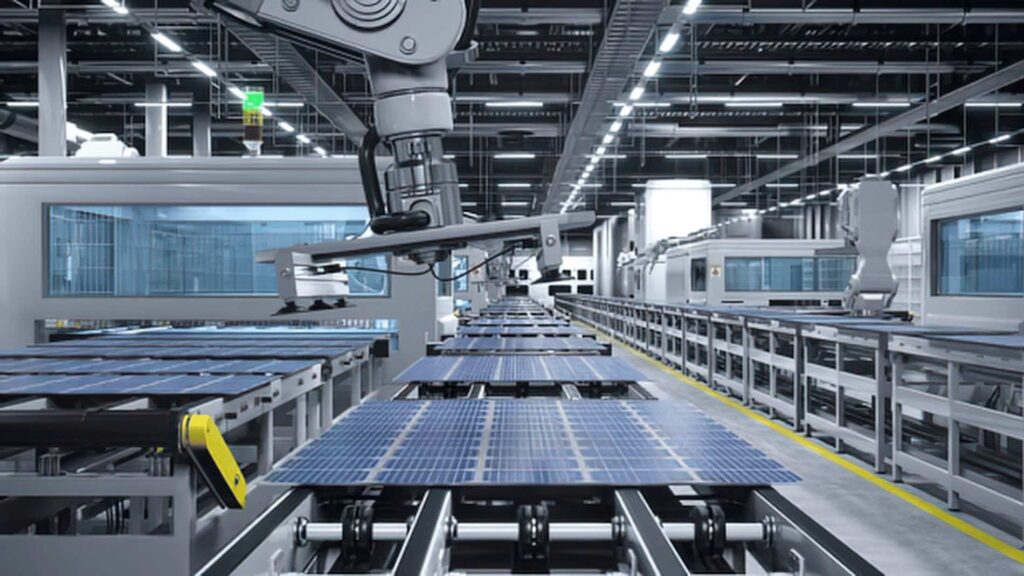
- Space for future automation and robotics
Future-ready layouts support long-term competitiveness without major structural changes.
Conclusion
Factory layout planning is one of the most important decisions in industrial project development. A well-designed layout supports efficient operations, future expansion, and long-term reliability.
Avoiding common planning mistakes early helps reduce operational constraints that are otherwise difficult and expensive to correct later.
If you are planning a new manufacturing facility or reconfiguring an existing one, investing time in integrated layout planning can significantly improve long-term performance.