

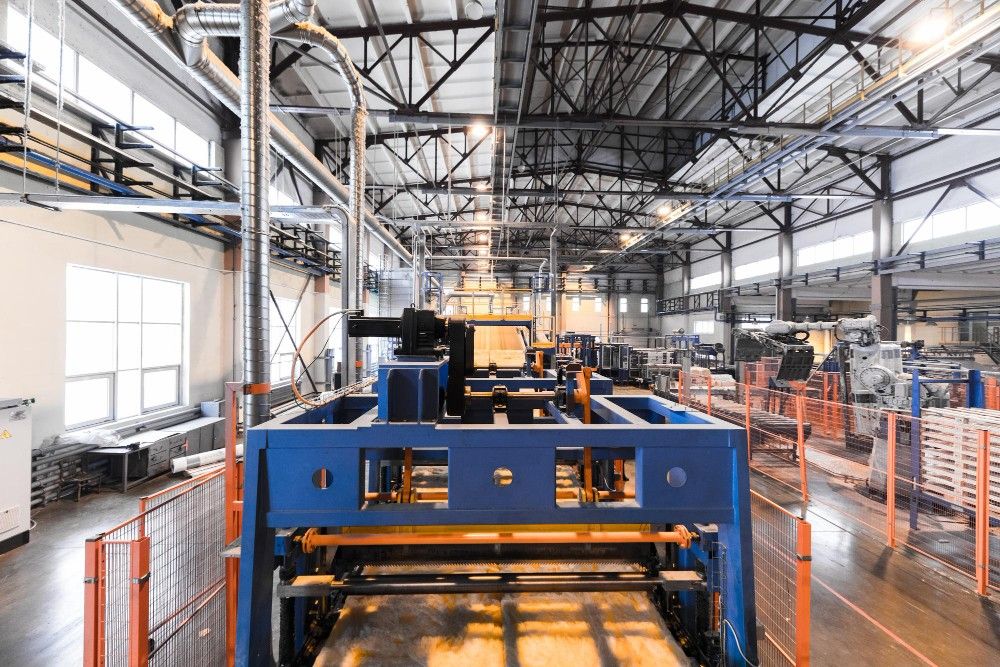
Designing for Heavy Machinery Installation: Structural & Layout Considerations
Heavy machinery forms the operational core of many industrial facilities. From large CNC machines and presses to turbines, reactors, forging equipment, and material handling systems, these machines influence not only production capacity but also how an entire factory is designed.
Yet, in many industrial projects, machinery planning and building design are treated separately during the early stages. This often leads to structural modifications, layout constraints, vibration issues, and costly delays during installation or commissioning.
Designing a facility for heavy machinery requires coordinated planning between structure, utilities, logistics, and operations from the beginning.
Why Heavy Machinery Changes the Way Factories Are Designed?
Unlike standard manufacturing equipment, heavy machinery places significant demands on the building and infrastructure around it.
These machines may involve:
- High static and dynamic loads
- Vibration and impact forces
- Deep foundations and anchoring systems
- Special utility requirements
In some cases, the weight and operational movement of machinery influence the entire structural grid and foundation strategy of the facility.
This is why heavy equipment planning must begin at the concept design stage rather than after architectural layouts are finalised.
Understanding Machine Loads
One of the most common misconceptions is assuming that machine design requirements depend only on total equipment weight.
In reality, structural planning must consider:
- Static loads from machine weight
- Dynamic loads during operation
- Impact and cyclic loading
- Load concentration at support points
For example, forging presses, stamping machines, and turbines generate continuous vibration and repetitive stress that affect both the machine foundation and surrounding structure.
Ignoring these forces can lead to:
- Excessive vibration
- Structural cracking
- Alignment issues
- Reduced equipment life
This makes structural coordination critical for long-term reliability.
Foundation Design for Heavy Machinery
Machine foundations differ significantly from conventional building foundations.
Their primary objective is not only to support weight but also to:
- Absorb operational forces
- Control vibration transmission
- Maintain equipment alignment
Foundation design depends on factors such as:
- Machine type and operating frequency
- Soil bearing capacity
- Dynamic response characteristics
- Adjacent structural sensitivity
In Indian industrial projects, poor understanding of dynamic foundation behavior often results in retrofitting or operational instability after installation.
For vibration-sensitive equipment, isolated foundations are commonly used to reduce interaction with the building structure.
Structural Grid and Building Planning Considerations
Heavy machinery directly influences building geometry and structural layout.
Larger machines often require:
- Wider column spacing
- Increased clear heights
- Higher floor load capacities
- Crane integration for installation and maintenance
The structural grid must align with process flow and machine arrangement rather than forcing equipment into fixed architectural layouts.
This coordination becomes even more important in facilities with future expansion plans, where additional machinery may be introduced later.
Floor Levels, Pits, and Embedded Systems
Many industrial machines require pits, trenches, or embedded utility systems as part of installation.
These may include:
- Machine pits for presses or process equipment
- Cable trenches and utility channels
- Oil collection and drainage systems
Such features affect both structural design and construction sequencing. If these provisions are overlooked early, later modifications become expensive and disruptive.
Careful integration between civil, structural, and utility planning avoids conflicts during execution.
Layout Planning for Installation and Maintenance
Installing heavy machinery is itself a major logistical operation.
Factory layouts must account for:
- Equipment movement paths during installation
- Temporary staging and unloading zones
- Crane access and lifting clearances
In many factories, machines fit inside the production area but cannot be moved into position easily because installation logistics were not considered during planning.
Maintenance access is equally important. Equipment that cannot be serviced safely or efficiently eventually affects production reliability.
This is why layout planning must consider the full equipment lifecycle.
Vibration Control and Operational Stability
Vibration management is one of the most critical aspects of heavy machinery planning.
Excessive vibration can:
- Affect machine precision
- Damage nearby equipment
- Reduce worker comfort and safety
- Cause long-term structural deterioration
Design strategies may include:
- Isolated foundations
- Damping systems
- Structural separation between sensitive areas
Facilities involving precision manufacturing or testing require especially careful vibration assessment.
Guidelines from the Bureau of Indian Standards provide structural and vibration-related recommendations for industrial facilities and machine foundations.
Utility Integration for Heavy Equipment
Heavy machinery often requires high-capacity utilities that influence infrastructure planning.
These may include:
- Large electrical loads
- Cooling water systems
- Compressed air networks
- Hydraulic or lubrication systems
Utility routing must be coordinated carefully to avoid operational interference and maintenance difficulty.
Inadequate utility planning frequently leads to temporary external piping or exposed service lines that reduce safety and operational efficiency.
Why Integrated Planning Matters
Heavy machinery installation cannot be treated as an isolated engineering activity.
Successful projects require close coordination between:
- Structural engineers
- Architects and layout planners
- Utility and MEP teams
- Equipment suppliers and process consultants
When these disciplines work independently, clashes and inefficiencies emerge during execution. Integrated planning helps avoid redesign, delays, and operational compromises later.
Conclusion
Heavy machinery has a direct impact on structural systems, layouts, utilities, safety, and long-term operations. Treating machinery planning as a late-stage activity often creates avoidable technical and operational challenges.
Factories designed around equipment requirements from the beginning perform more reliably, adapt more easily, and reduce long-term maintenance and operational risks.
If you are planning a manufacturing facility involving heavy equipment, integrating machinery requirements early into structural and layout planning can significantly improve project outcomes.