
Why Factory Aesthetics Matter?
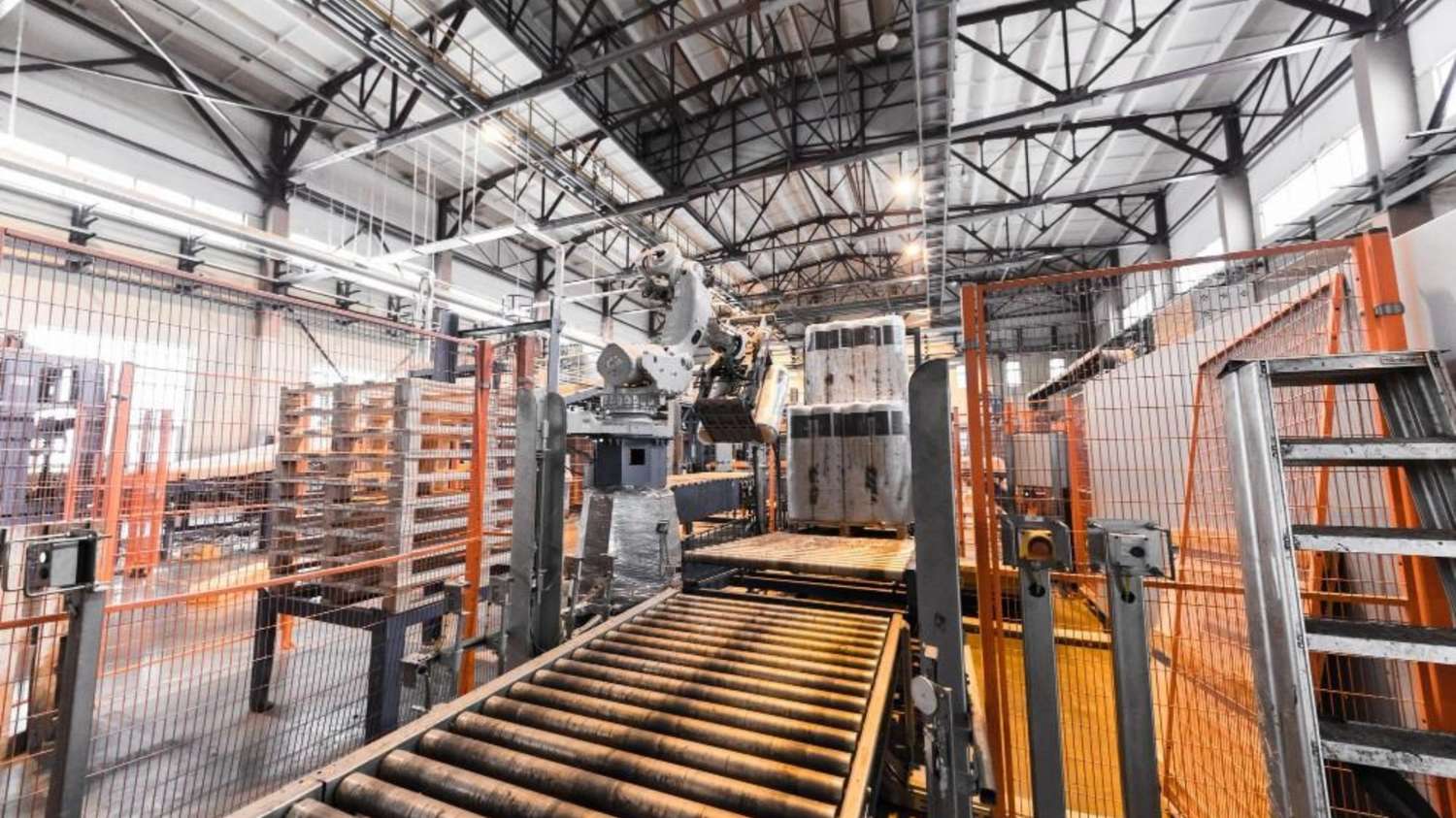
The design of factories has traditionally been based on function—efficiency, safety, and workflow. Nowadays, aesthetics are important in the industrial landscape. Visual appeal plays a big role in how industrial spaces perform and are perceived, from branding to employee well-being.
Why Does Aesthetic Matter in Industrial Architecture?
Aesthetics in industrial architecture go beyond surface-level beauty. A well-designed factory can reflect a company’s values, improve employee morale, and even enhance productivity. Clean lines, natural light, and thoughtful layouts contribute to a better working environment.
In India, where industrial zones are expanding rapidly, visually appealing factories also help integrate these spaces into urban and semi-urban landscapes. They reduce the visual burden of industrial sprawl and promote community acceptance.
How Form and Function Work Together
The principle of “form follows function” still holds true—but modern industrial architects know that form can enhance function. For example, a factory with a well-planned façade can reduce heat gain, improving energy efficiency. Similarly, open layouts with visual symmetry can support smoother operations and better safety.
Industrial architecture consultants today design with both performance and appearance in mind. The goal is to create spaces that are efficient, scalable, and visually coherent.
What Are the Benefits of Aesthetic-Driven Factory Design?
1. Brand Identity:
A factory’s design can reflect the brand’s ethos. Whether it’s sustainability, precision, or innovation, architectural elements like materials, colors, and shapes can communicate these values.
2. Employee Experience:
Natural lighting, ergonomic layouts, and visually pleasant interiors contribute to better mental health and job satisfaction. This can reduce turnover and improve productivity.
3. Community Engagement:
Factories that look good are more likely to be accepted by local communities. Landscaping, façade treatments, and public-facing design elements help soften the industrial image.
4. Long-Term Value:
Aesthetic design often correlates with better maintenance and durability. Well-designed buildings age better and retain their value over time.
What Are the Latest Trends in Industrial Architecture?
In India, industrial architecture is evolving rapidly. Some of the key trends include:
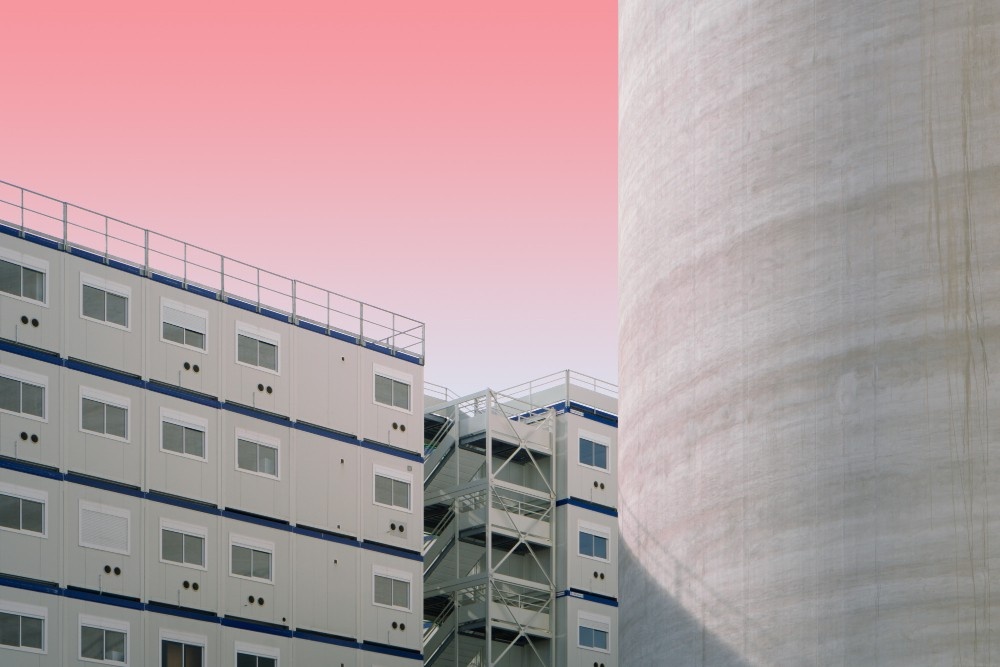
Use of exposed materials: Steel, concrete, and brick are being celebrated rather than hidden, giving factories a raw yet refined look.
Integration of green elements: Vertical gardens, skylights, and rainwater harvesting systems are becoming common.
Adaptive reuse: Old industrial buildings are being repurposed with modern design elements, blending heritage with innovation.
Smart façades: Responsive materials and shading systems are used to optimize energy use while enhancing visual appeal.
Ahmedabad, a hub for industrial development, is seeing a rise in such design-forward factories. Local industrial architects are combining traditional design sensibilities with modern functionality.
How Do Industrial Architects in Ahmedabad Approach Factory Design?
Industrial architects in Ahmedabad are known for their balanced approach. They begin by understanding the client’s operational needs, then translate those into spatial layouts that support workflow and safety. But they also pay close attention to aesthetics—using proportion, color, and material to create visually engaging spaces.
Firms like VMS Consultants specialize in designing factories that are not only efficient but also architecturally significant. Their work spans sectors like food processing, electronics, and logistics, with a focus on scalable, sustainable, and aesthetic industrial design.
What Should You Consider When Planning a Visually Appealing Factory?
- Material Selection: Choose materials that are durable and visually consistent with your brand.
- Lighting and Ventilation: Use natural light and airflow to enhance comfort and reduce energy costs.
- Façade Design: Invest in a façade that balances insulation, aesthetics, and brand visibility.
- Interior Layout: Ensure that the internal design supports both workflow and employee comfort.
- Landscape Integration: Use green buffers and outdoor spaces to soften the industrial footprint.
Industrial architecture consultants can help you align these elements with your operational goals and budget.
Build Factories That Perform and Inspire
A factory’s aesthetics are no longer a luxury, but a strategic asset. By combining form and function, industrial buildings can become symbols of innovation, efficiency, and sustainability. Whether you’re building a new facility or upgrading an existing one, design matters.