
What Are the Key Factors to Consider Before Setting Up an EV Gigafactory in India?
Electric vehicle (EV) adoption in India is accelerating, and gigafactories, which manufacture large batteries, are at the core of this transformation. These facilities are essential for reducing battery imports, lowering EV costs, and supporting the government’s ambitious targets for clean mobility.
With the Production Linked Incentive (PLI) scheme and state-level policies, India is witnessing a surge in gigafactory projects from leading companies like Ola Electric, Reliance, Tata, and Amara Raja.
What Infrastructure Does an EV Gigafactory Need?
1. Land and Location:
A typical gigafactory requires 100–500 acres, ideally close to automotive hubs, ports, and reliable power sources. Proximity to suppliers and customers reduces logistics costs and carbon footprint.
2. Power and Utilities:
The manufacturing of batteries consumes a lot of energy. Electricity for plants needs to be high-capacity and stable, often 100–130 MW. Water supply, waste management, and robust fire safety systems are also critical.
3. Cleanrooms and Dry Rooms:
Humidity control is vital. Lithium-ion cell production demands ultra-low humidity (often below 1% RH) to prevent defects and ensure safety. Cleanrooms must be designed with airtight seals, advanced HVAC, and strict access protocols.
4. Digital Core and Automation:
Modern gigafactories rely on digital twins, ERP, and MES systems for real-time monitoring, automation, and quality control. This digital backbone enables efficient scaling and data-driven decision-making.
5. Logistics and Supply Chain:
Efficient inbound and outbound logistics are essential. This includes dedicated loading bays, storage for raw materials, and integration with rail or road networks. Many Indian gigafactories are being planned with supplier parks and ancillary units on-site.
What Are the Best Practices in Gigafactory Design?
Start with Workflow Optimization:
A well-planned layout minimizes material movement and maximizes productivity. Segregate areas for electrode prep, cell assembly, module formation, and testing. Plan for future expansion from day one.
Prioritize Safety and Compliance:
Battery plants handle hazardous materials. Install advanced fire suppression, explosion-proof enclosures, and emergency response systems. Regular safety drills and staff training are non-negotiable.
Sustainability by Design:
Incorporate solar panels, rainwater harvesting, and waste recycling. Many new Indian gigafactories are aiming for green building certifications, aligning with global ESG standards.
Fast-Track Construction:
Use modular construction and prefabricated components to speed up timelines. Ola Electric’s gigafactory in Tamil Nadu, for example, is being built in phases, with rapid scale-up from 5 GWh to 100 GWh capacity.
Leverage Automation:
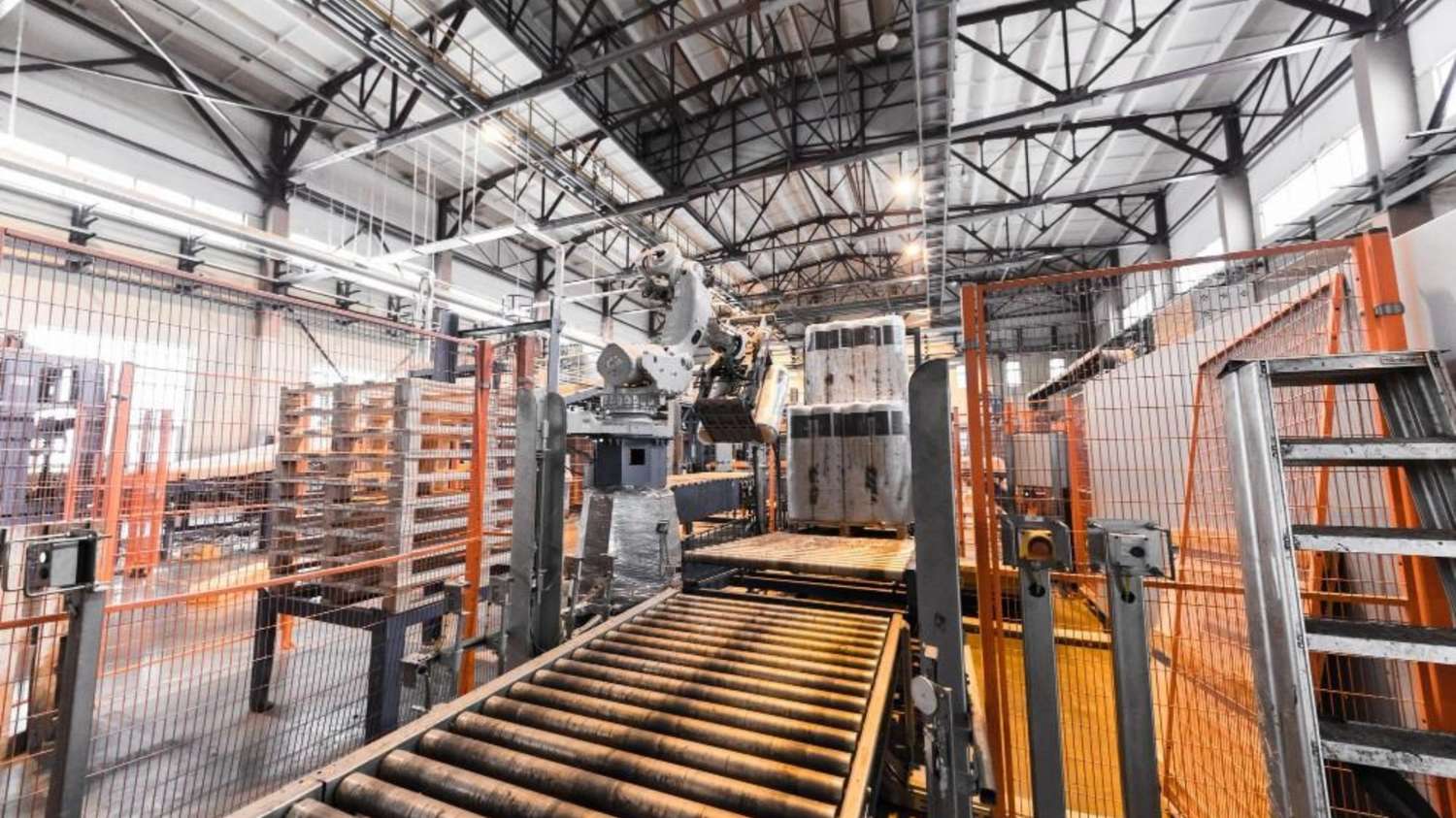
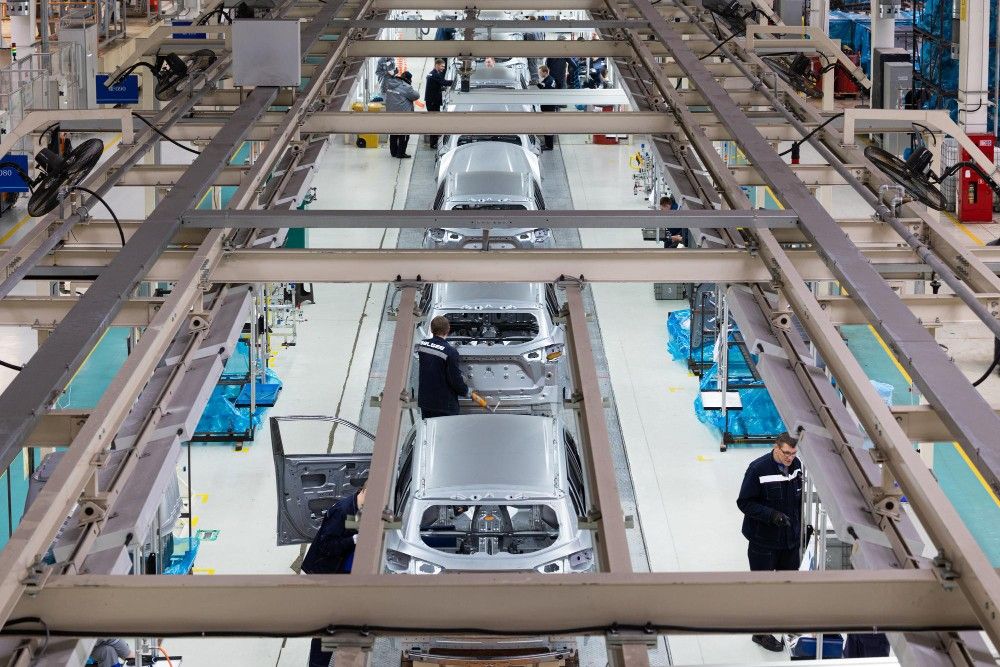
Automated guided vehicles (AGVs), robotics, and Industry 4.0 tools reduce errors and improve throughput. Automation is especially critical in cleanroom environments where human presence must be minimized.
What Are the Latest Trends and News in India’s Gigafactory Space?
- Tesla and SRAM & MRAM Group have announced a $1 billion partnership to set up five EV battery gigafactories in India, each spanning around 500 acres.
- Ola Electric is constructing India’s largest gigafactory in Tamil Nadu, targeting 100 GWh capacity at full scale. The project includes advanced R&D and supplier integration.
- Reliance Industries is building a 100 GWh gigafactory in Jamnagar, Gujarat, with plans to start operations by 2026. The facility will focus on advanced battery chemistries and energy storage.
- Amara Raja and Tata Group are also investing in large-scale battery plants, with a focus on both domestic and export markets.
What Should You Consider Before Starting an EV Gigafactory Project?
Raw Material Sourcing: India is working to secure lithium and cobalt supplies through international partnerships, but local availability remains a challenge.
Skilled Workforce: Gigafactories need engineers, chemists, and automation experts. Training and upskilling programs are essential.
Regulatory Approvals: Navigating environmental, safety, and zoning regulations can be complex. Early engagement with authorities helps avoid delays.
Future-Proofing: The battery technology is advancing rapidly. Facilities should be adaptable for new chemistries and processes.
Take the Next Step
Designing an EV gigafactory is a complex but rewarding challenge. With the right infrastructure, digital tools, and best practices, India can become a global leader in battery manufacturing and clean mobility.
Partner with VMS Consultants for expert guidance in engineering, architecture, and project management for your next industrial project.