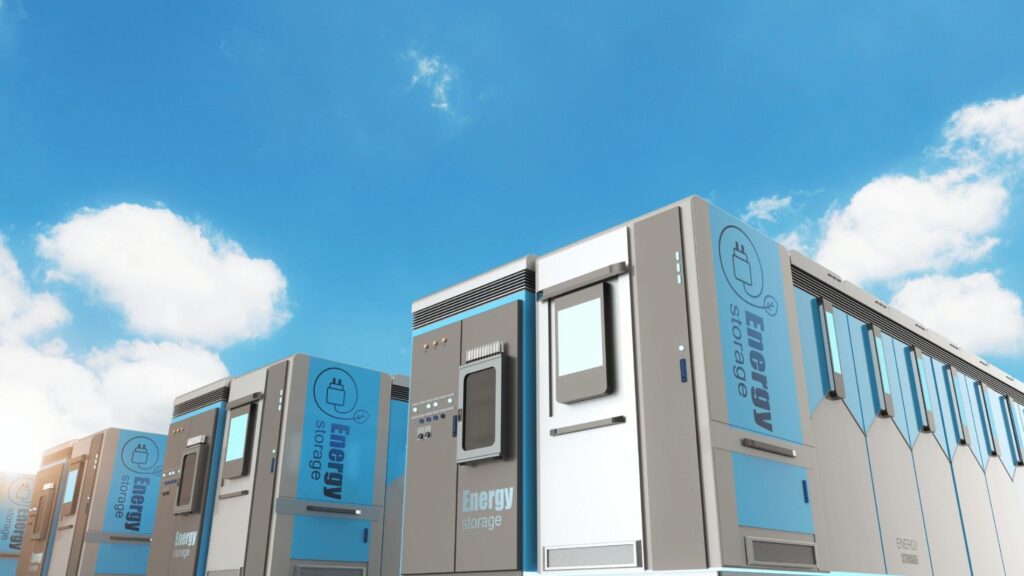
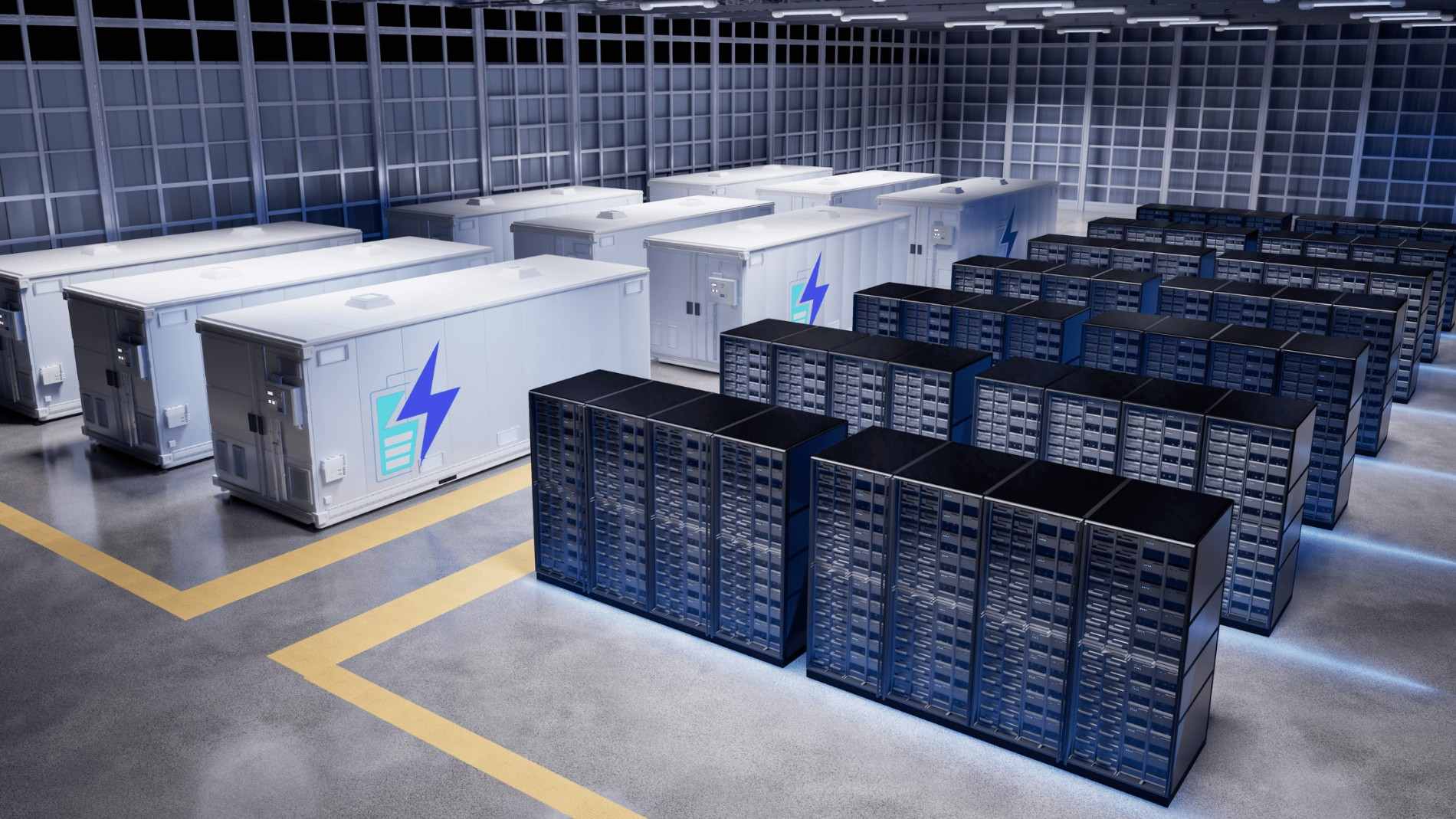
A manufacturing facility for grid-scale Battery Energy Storage Systems (BESS) may appear similar to other industrial assembly plants. However, the electrical loads, environmental requirements, testing operations and production equipment can create a distinctly different set of utility demands.
For example, battery module and pack assembly lines require reliable electrical power, compressed air and controlled manufacturing conditions. Testing operations may involve repeated charging and discharging of large battery packs, creating substantial electrical demand and heat loads. Complete BESS integration may also require specialized cooling, electrical testing and equipment handling infrastructure.
These requirements directly influence transformer capacity, HVAC systems, utility distribution, building layout and future expansion provisions.
As India develops its energy storage manufacturing capabilities, utility planning for energy storage manufacturing is becoming an important part of industrial facility design.
This article examines the major utility requirements of grid-scale energy storage manufacturing facilities and explains how different production activities influence infrastructure demand.
How Do Utility Requirements Differ Across Energy Storage Manufacturing Processes?
Before determining utility capacities, it is necessary to establish the manufacturing scope.
Grid-scale energy storage manufacturing can involve battery cell production, module assembly, pack integration, battery rack manufacturing and complete containerized BESS integration.
Although these activities are related, their utility requirements differ significantly.
Battery Cell Manufacturing
Battery cell manufacturing involves electrode preparation, coating, drying, cell assembly, electrolyte filling, formation and ageing.
Depending on the cell chemistry and production technology, these processes may require dry rooms, process cooling, compressed air, vacuum systems, specialized exhaust arrangements and substantial electrical infrastructure. Formation and ageing operations are particularly important because they involve controlled charging, discharging and monitoring of battery cells.
Dry-room operations can also create significant HVAC demand due to the need for precise humidity control.
Module, Pack and BESS Assembly
Module and pack assembly facilities generally receive manufactured cells and integrate them into modules, packs or battery racks.
Typical operations include cell inspection, sorting, welding, mechanical assembly, electrical interconnections, Battery Management System (BMS) integration and testing.
Complete BESS integration facilities may additionally install battery racks, cooling systems, electrical protection equipment and control systems into enclosures or containers.
These facilities generally have lower environmental control requirements than cell manufacturing plants, but electrical testing, automation and cooling can still create substantial utility loads.
The first utility planning decision should therefore be based on the actual manufacturing process rather than the facility’s overall production capacity alone.
What Are the Key Utilities Required for Energy Storage Manufacturing Facilities?
Energy storage manufacturing facilities require several utility systems to support production processes, equipment operations and environmental control.
Electrical power, HVAC, cooling, compressed air and water supply are among the key utilities that must be planned according to manufacturing requirements.
The key considerations for planning these utility systems are explained in the following sections.
Electrical Infrastructure and Power Demand Planning
Electrical infrastructure is among the most critical utility systems in energy storage manufacturing.
Manufacturing equipment, welding systems, automated production lines, HVAC installations, battery cyclers and testing stations may operate with different load profiles. Simply adding the rated capacities of all equipment can lead to an inaccurate assessment of actual power demand.
Understanding Connected Load and Maximum Demand
Connected load represents the combined rated electrical capacity of installed equipment. Maximum demand reflects the highest power requirement expected during actual operation.
The difference can be significant in manufacturing facilities where equipment operates intermittently or in defined production cycles.
For example, welding equipment may have short-duration peak loads, while HVAC systems operate continuously. Battery testing equipment may draw high power during charging and return power during discharging.
Electrical load calculations should therefore consider equipment duty cycles, simultaneous operation, production shifts and anticipated future capacity.
Battery Testing and Regenerative Power
Battery testing is a distinctive electrical planning consideration in energy storage manufacturing. During charge-discharge testing, electrical energy is supplied to batteries and subsequently discharged under controlled conditions.
Some modern battery cyclers incorporate regenerative technology that can return energy to a shared DC bus or the facility’s electrical network, depending on the equipment configuration.
This can reduce net energy consumption, but it also introduces engineering considerations involving bidirectional power flow, power quality, protection coordination and transformer loading.
The facility’s electrical design must evaluate whether regenerated energy can be consumed by other equipment, managed within the testing system or exported where permitted.
Regenerative capability should not automatically be treated as a reduction in maximum electrical demand without reviewing the actual testing cycles.
Power Quality and Reliability
Automated assembly lines, welding equipment, variable-frequency drives and power electronic testing systems may introduce harmonics, voltage fluctuations or other power quality concerns.
Sensitive control systems may also require stable power supplies.
Electrical planning should evaluate appropriate earthing arrangements, protection systems, harmonic mitigation, emergency shutdown provisions and backup power requirements.
Critical loads such as safety controls, monitoring systems and essential communication equipment may require uninterrupted power arrangements based on the facility’s operational risk assessment.
Why India’s Energy Storage Growth Matters for Facility Planning
India’s growing requirement for grid-scale storage provides an important context for manufacturing investment.
According to the Central Electricity Authority’s National Electricity Plan, India’s projected BESS requirement reaches approximately 236 GWh by 2031–32. The Ministry of Power reaffirmed this projection in July 2026.
This represents projected deployment requirements rather than committed domestic manufacturing capacity. Nevertheless, it indicates why manufacturers may need to plan for changing production volumes, product specifications and technology requirements.
For utility engineers, the challenge is to provide sufficient infrastructure for current operations without creating unnecessarily expensive systems that operate inefficiently at partial capacity.
HVAC, Cooling and Environmental Control Requirements
Environmental control requirements differ considerably across energy storage manufacturing processes.
A facility assembling battery packs from pre-manufactured cells may require controlled temperature and humidity, while a cell manufacturing plant may need highly specialized dry-room infrastructure.
Dry Rooms and Humidity Control
Moisture-sensitive battery manufacturing processes require low-humidity environments to protect materials and maintain product quality.
Dry rooms use specialized dehumidification systems, air handling equipment and carefully designed building envelopes to maintain the required conditions.
Research published in the Journal of Cleaner Production in March 2026 examined model-based evaluation of dry rooms and highlighted their substantial energy requirements.
Dry-room performance depends on factors such as outdoor humidity, infiltration, personnel movement, equipment heat loads and the effectiveness of the building envelope.
In humid Indian locations, controlling moisture entry through doors, material transfer points and service penetrations can be particularly important.
Process Cooling and Heat Rejection
Battery testing equipment, power electronics, welding systems and certain manufacturing processes generate heat that must be removed.
Cooling requirements may be met through air-cooled equipment, chilled-water systems or dedicated process cooling circuits, depending on the machinery.
For example, battery cyclers and electrical testing equipment may require continuous cooling during extended test cycles.
Utility planning should distinguish between comfort cooling, process cooling and equipment-specific thermal management. Combining all cooling requirements into one system without evaluating temperature levels, operating schedules and reliability needs can reduce efficiency.
A centralized cooling plant may be suitable where loads are substantial and operate simultaneously. Decentralized systems may provide greater flexibility for production areas with different operating requirements.
The selection should consider energy consumption, maintenance, redundancy and future expansion rather than initial equipment cost alone.
Compressed Air, Water and Other Process Utilities
Beyond electricity and HVAC, manufacturing operations may depend on several supporting utilities. Although these systems may represent a smaller portion of the initial project budget, inadequate planning can directly affect equipment performance and production continuity.
Compressed Air and Industrial Gases
Compressed air is commonly used for pneumatic actuators, automated assembly equipment, tools and material handling systems. The required pressure, flow rate and air quality should be determined from equipment specifications.
Compressed air quality is particularly important where moisture, oil or particles could affect sensitive manufacturing processes. Centralized compressor systems should be evaluated for redundancy, distribution losses, pressure stability and future demand.
Battery cell manufacturing may additionally require nitrogen, vacuum systems or other specialized gases, depending on the production technology.
These requirements should not automatically be included in module and pack assembly facilities unless the selected manufacturing process requires them.
Water Supply and Cooling Infrastructure
Water requirements vary according to manufacturing scope.
Pack assembly facilities may primarily require domestic water, cooling-system make-up water, cleaning water and fire protection reserves.
Cell manufacturing facilities may have additional requirements for process water, water treatment and specialized utility systems.
Where cooling towers are used, water quality, make-up demand, blowdown and water treatment should be evaluated.
In regions facing seasonal water shortages, alternative cooling arrangements and water conservation measures may influence utility selection.
Utility Distribution and Maintenance Access
Utility systems should be planned with the manufacturing layout rather than added after production equipment positions are finalized.
Overhead service corridors, cable trays, pipe racks and accessible maintenance routes can simplify future modifications.
Equipment requiring frequent maintenance should remain accessible without disrupting neighboring production operations. Similarly, utility isolation valves, electrical distribution boards and monitoring equipment should be positioned for safe operation and maintenance.
The objective is to develop a distribution arrangement that supports both production and long-term facility management.
How Can Utility Reliability, Safety and Engineering Coordination Be Ensured?
Reliable utilities are essential for maintaining production quality and preventing interruptions during critical manufacturing and testing operations.
However, reliability requirements should be established according to the consequences of utility failure rather than applying identical backup provisions to every system.
Identifying Critical Utility Loads
Different manufacturing operations respond differently to power or cooling interruptions.
An interruption to a general assembly conveyor may stop production temporarily, while loss of power to certain testing or safety systems may require controlled shutdown procedures.
The design team should identify which systems require uninterrupted operation, safe shutdown capability or redundant supply.
Critical electrical controls, monitoring systems, emergency lighting and other essential safety functions should be assessed individually. Similarly, cooling-system failure during extended battery testing may require equipment interlocks or automatic shutdown arrangements.
Fire Protection and Utility Integration
Battery-related manufacturing operations require specific electrical and fire safety considerations. Battery storage, welding, electrical testing and damaged-battery handling areas may require different protection measures.
Fire detection, emergency isolation, ventilation and equipment shutdown arrangements should be coordinated with the manufacturing process and facility risk assessment.
The design must distinguish between mandatory requirements under applicable Indian regulations and supplementary engineering guidance or insurer requirements.
Applicable approvals may include electrical supply permissions, factory-related approvals, fire safety clearances, environmental permissions and other requirements depending on the manufacturing activities and project location.
Key Takeaways for Utility Planning in Energy Storage Manufacturing
Utility planning for grid-scale energy storage manufacturing requires a detailed understanding of production processes, equipment characteristics and operating conditions.
Electrical testing, environmental control, cooling and supporting process utilities can influence both the initial investment and long-term operating costs of the facility.
The most effective approach is to develop the utility master plan alongside the manufacturing layout, with clear assumptions about equipment demand, reliability and future expansion.
Rather than designing utilities solely around installed production capacity, manufacturers should evaluate how systems will operate under actual production schedules and changing load conditions.
VMS provides multidisciplinary industrial architecture and engineering consultancy services for planning manufacturing facilities and their supporting infrastructure.
Connect with our team to discuss utility master planning, electrical infrastructure, HVAC and integrated engineering requirements for energy storage manufacturing projects.
Frequently Asked Questions
1. What Are the Main Utilities Required for a Grid-Scale Energy Storage Manufacturing Facility?
The main utilities generally include electrical power, HVAC, compressed air, process cooling, water supply and fire protection infrastructure. Battery cell manufacturing may additionally require dry rooms, vacuum systems, industrial gases and specialized process utilities. Requirements depend on the manufacturing scope and equipment specifications.
2. How Is Electrical Demand Calculated for a BESS Manufacturing Plant?
Electrical demand should be calculated using equipment ratings, operating cycles, simultaneous loads, production shifts and testing requirements. Battery charging and discharging equipment should be assessed separately because regenerative systems may return energy to the electrical network. Future expansion and power quality requirements should also be considered.
3. Do BESS Manufacturing Facilities Require Dry Rooms?
Not all facilities require dry rooms. They are primarily associated with moisture-sensitive battery cell manufacturing operations. Facilities assembling pre-manufactured cells into modules, packs or complete BESS units generally have different environmental requirements, which should be established using the manufacturing equipment and product specifications.
4. How Can Utility Infrastructure Be Designed for Future Expansion?
Expansion can be supported through modular utility equipment, reserved electrical distribution capacity, accessible utility corridors and provisions for additional cooling or compressed air systems. Future capacity should be evaluated against the available power supply, equipment space and distribution infrastructure. Phased installation can also help balance initial investment with long-term flexibility.