
Industry 4.0 for Electronics: Digital Twins, IoT, and Smart Manufacturing
Electronics manufacturing in India is entering a new era, defined by data, automation, and intelligent systems.
Industry 4.0 technologies like digital twins, IoT, and smart manufacturing are reshaping how factories operate, from design and production to maintenance and quality control.
For businesses planning new facilities, understanding these trends is essential to stay competitive.
What Is Industry 4.0 and Why Does It Matter?
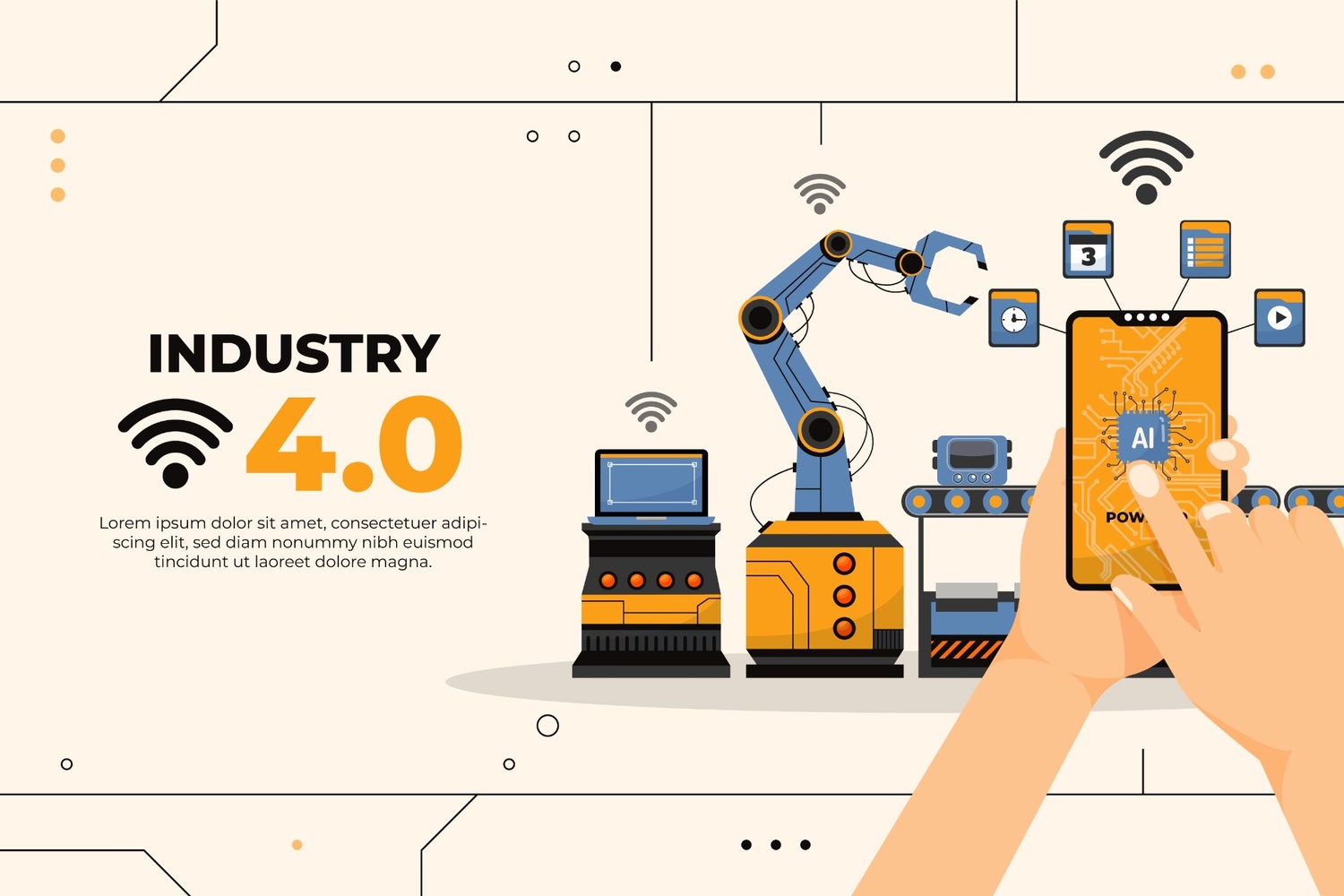
Industry 4.0 refers to the fourth industrial revolution, where digital technologies integrate with physical manufacturing systems. It includes AI, IoT, robotics, cloud computing, and real-time analytics.
In electronics manufacturing, this means smarter factories that can self-monitor, predict failures, and optimize production.
India’s electronics sector is rapidly adopting these technologies, with digital tools expected to account for 40% of manufacturing expenditure by 2025.
How Digital Twins Are Changing Electronics Manufacturing
A digital twin is a virtual replica of a physical asset, system, or process. In electronics factories, it mirrors machines, production lines, or even entire facilities in real time.
Digital twins help simulate workflows, predict equipment failures, and optimize layouts before physical implementation. They’re used for virtual prototyping, predictive maintenance, and quality assurance.
For example, PCB assembly lines can be modeled digitally to test throughput and identify bottlenecks. This reduces downtime and improves efficiency without disrupting actual operations.
What Role Does IoT Play in Smart Factories?
The Internet of Things (IoT) connects machines, sensors, and systems to share data continuously. In electronics manufacturing, IoT enables real-time monitoring of temperature, humidity, vibration, and energy consumption.
IoT sensors can detect anomalies in SMT machines or reflow ovens, triggering alerts before faults occur. This supports predictive maintenance and reduces unplanned stoppages. It also helps track inventory, manage energy consumption, and ensure environmental compliance, which is important for high-precision electronics production.
How Smart Manufacturing Improves Efficiency and Quality
Smart manufacturing combines digital twins, IoT, AI, and robotics to create agile, responsive production environments.
It allows electronics factories to:
- Automate repetitive tasks
- Monitor quality in real time
- Adjust production based on demand
- Reduce waste and energy consumption
In India, companies are using AI-powered machine vision for defect detection in PCB soldering and component placement. Robotics and cobots are being deployed for high-speed assembly and packaging.
What Are the Latest Trends in India’s Electronics Sector?
1. Rise of Smart Factories
Electronics clusters in Noida, Chennai, and Bengaluru are adopting Industry 4.0 tools. Predictive maintenance, automated inspection, and real-time analytics are becoming standard.
2. Digital Twin Adoption
Indian manufacturers are using digital twins for layout planning, equipment simulation, and lifecycle management. This reduces setup time and improves ROI.
3. IoT-Driven Quality Control
IoT sensors are integrated into production lines to monitor environmental conditions and machine health, ensuring consistent product quality.
4. Government Support
Initiatives like SAMARTH Udyog Bharat 4.0 and the PLI scheme are promoting smart manufacturing adoption. These programs offer incentives for automation and digital infrastructure.
What Should You Consider When Setting Up a Smart Electronics Facility?
1. Infrastructure Readiness
Ensure your facility supports high-speed connectivity, power stability, and environmental control. Smart systems rely on uninterrupted data flow.
2. Scalable Design
Plan for modular layouts that can accommodate future upgrades in automation and digital tools. VMS Consultants offers electronics manufacturing plant facility setup services that integrate scalability and smart systems from day one.
3. Workforce Training
Smart factories need skilled technicians and engineers who can operate and maintain digital systems. Invest in training and upskilling programs.
4. Data Security and Compliance
With increased connectivity comes the need for cybersecurity. Implement secure networks and comply with data protection regulations.
How to Leverage Industry 4.0 for Competitive Advantage
- Use digital twins to simulate and optimize production before physical setup
- Integrate IoT for real-time monitoring and predictive maintenance
- Automate quality control using AI and machine vision
- Align with government schemes for funding and support
- Partner with experienced consultants to ensure seamless implementation
VMS Consultants, a leading manufacturing plant design consultant, helps businesses build smart facilities that are efficient and compliant.
Build Smarter, Scalable Electronics Facilities
We are in the midst of an industry 4.0 transformation. With digital twins, IoT, and smart manufacturing, electronics companies in India can boost productivity, reduce costs, and stay ahead of global competition.