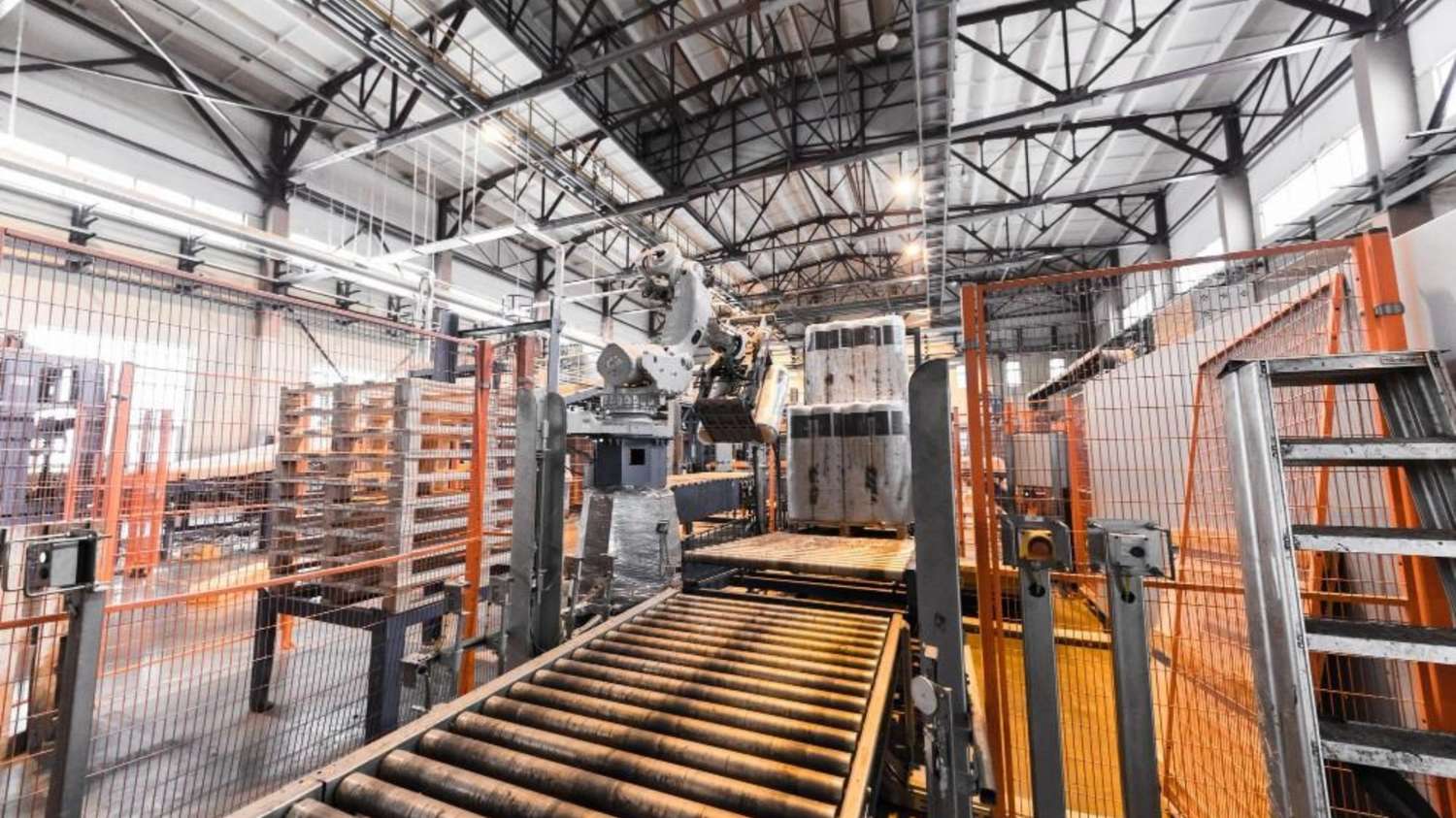


India’s Defence Manufacturing Sector
India’s defence manufacturing sector is undergoing a strategic transformation. From being one of the world’s largest arms importers to becoming a rising exporter of indigenous defence equipment, the shift is both ambitious and necessary.
Driven by the Make in India and Atmanirbhar Bharat initiatives, the sector is now a key pillar of national security and economic growth.
This article explores the current landscape, emerging opportunities, and persistent challenges in India’s defence manufacturing ecosystem.
Why Is Defence Manufacturing a Strategic Priority?
India’s geopolitical environment demands self-reliance in defence. With threats on multiple fronts and evolving warfare technologies, dependence on foreign suppliers is no longer sustainable.
Indigenous manufacturing ensures strategic autonomy, faster deployment, and cost efficiency.
The government has responded with increased budget allocations, policy reforms, and incentives.
In FY26, the defence budget reached ₹6.81 lakh crore, with ₹1.80 lakh crore earmarked for capital expenditure. This reflects a clear intent to modernize and indigenize.
What Are the Key Opportunities in the Sector?
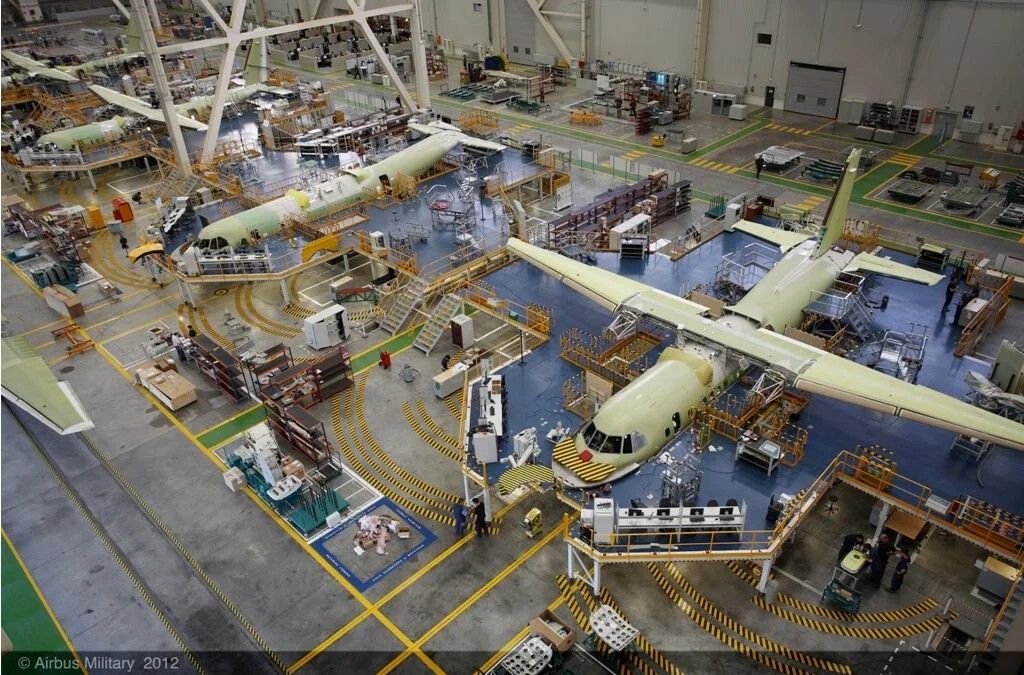
1. Defence Industrial Corridors
Tamil Nadu and Uttar Pradesh have two corridors that are attracting investments and promoting innovation. These hubs offer infrastructure, policy support, and access to skilled labour.
2. MSME and Startup Participation
Over 16,000 MSMEs and 194 defence tech startups are now part of the supply chain. They contribute to component manufacturing, R&D, and system integration, making the ecosystem more agile and cost-effective.
3. Export Potential
India’s defence exports surged to ₹23,622 crore in FY25, up from ₹686 crore in FY14. Products like BrahMos missiles, bulletproof jackets, and fast interceptor boats are now reaching over 100 countries.
4. Private Sector Growth
Companies like Tata Advanced Systems, L&T Defence, and Bharat Forge are investing in scalable manufacturing platforms. Their focus on drones, surveillance systems, and smart munitions is reshaping the industry.
What Are the Latest Developments?
1. Indigenous Rafale Production
India is reviewing a ₹2 lakh crore proposal to manufacture 114 Rafale jets domestically, with over 60% local content. This marks a shift toward high-value indigenous platforms.
2. Rare Earth Strategy
India is setting up a strategic reserve of critical minerals for defence manufacturing, ensuring supply chain resilience amid global disruptions.
3. International Collaborations
Taiwan is offering semiconductor expertise in exchange for India’s rare earths, paving the way for joint ventures in defence electronics and chip manufacturing.
4. Defence Procurement Reforms
Updates to the Defence Acquisition Procedure (DAP 2020) and the launch of the SRIJAN portal are promoting transparency and indigenisation. Over 10,000 items have already been indigenized.
What Are the Challenges Holding Back Growth?
1. Regulatory Complexity
Licensing, testing, and export approvals vary across states and can delay go-to-market timelines by up to 18 months.
2. FDI and IP Restrictions
While FDI is allowed up to 74%, foreign OEMs often hesitate due to IP transfer limitations and local sourcing mandates.
3. Skilled Workforce Shortage
Advanced manufacturing requires expertise in robotics, simulation, and cybersecurity. Training programs need to scale up to meet demand.
4. Capital Intensity
Setting up a compliant facility can cost ₹50–100 crore. Access to long-term financing and risk-sharing mechanisms is essential for new entrants.
Build for Strategic Autonomy and Global Competitiveness
The defence manufacturing sector in India is no longer just about national security. It is also about economic strength, technological leadership, and global influence.
With the right strategy, businesses can tap into this high-growth sector and contribute to a self-reliant India.