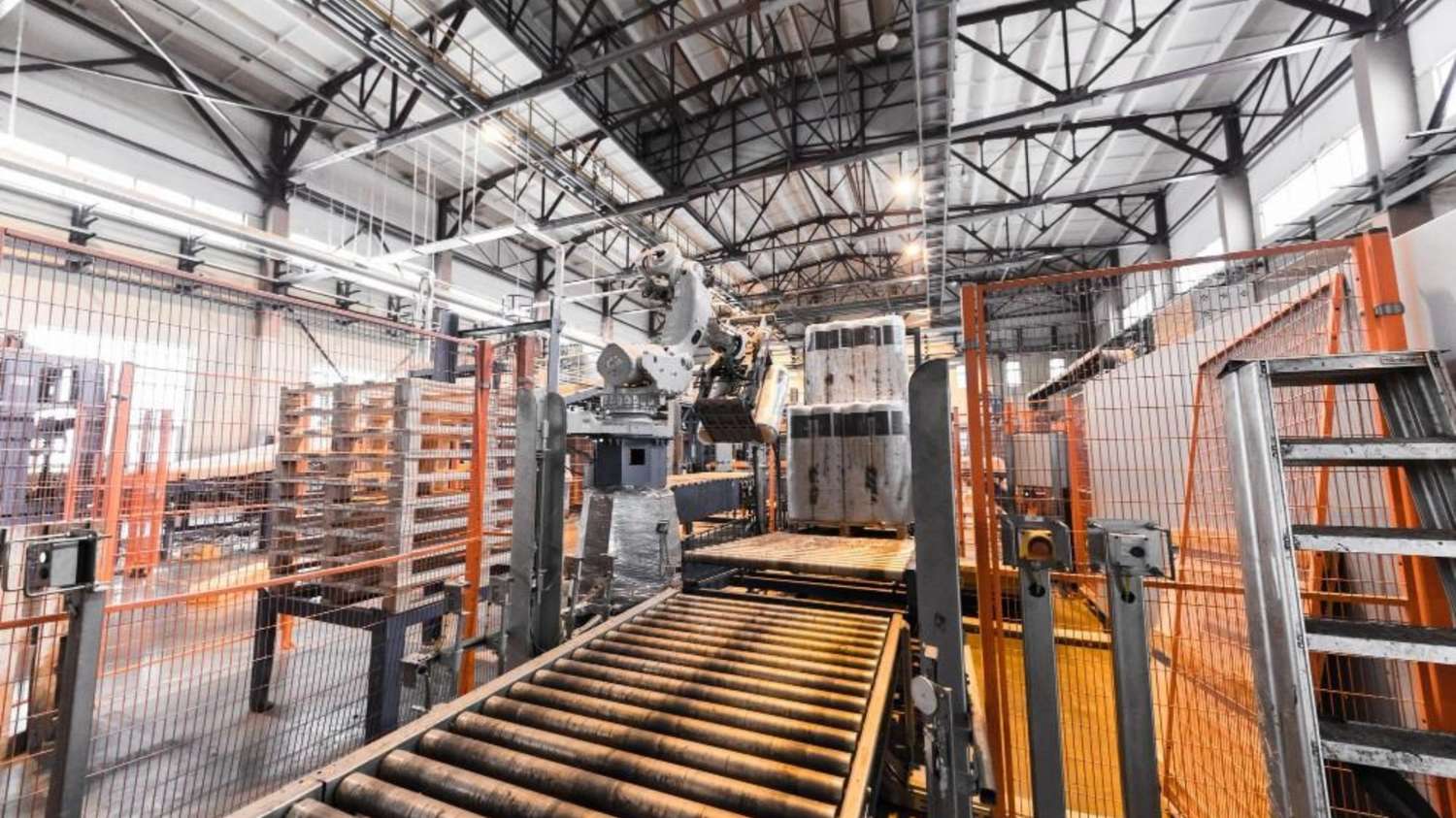


How Can You Reduce Factory Cooling Costs with Passive Design and Natural Ventilation?
As energy costs continue to rise, businesses are looking for innovative ways to reduce operating expenses, especially in energy-intensive sectors like industrial manufacturing.
Factory cooling systems are among the largest consumers of energy, especially in climates like India’s, where temperatures can soar during summer months.
One effective solution to mitigate these costs is incorporating passive design and natural ventilation into factory buildings. These strategies not only help reduce energy consumption but also contribute to creating a healthier and more sustainable work environment.
This article explores the role of passive design and natural ventilation in optimizing energy use in factories, and how industrial facilities in India can benefit from these practices.
What is Passive Design?
Passive design refers to the strategic design of a building to take advantage of natural environmental factors, such as sunlight, wind, and temperature, to regulate internal conditions without relying heavily on mechanical systems.
By incorporating passive design elements, factory buildings can maintain a comfortable environment for workers while minimizing the need for energy-intensive air conditioning or heating.
Key Principles of Passive Design
- Building Orientation: Positioning the building to optimize natural light and minimize direct exposure to the sun during peak hours.
- Thermal Mass: Using materials that absorb and store heat during the day and release it during cooler nights, reducing the need for mechanical heating and cooling.
- Insulation: Proper insulation ensures that heat doesn’t escape during winter and stays inside during the summer, reducing the need for temperature regulation systems.
- Natural Daylighting: Maximizing daylight through windows, skylights, or light tubes, which reduces the need for artificial lighting during the day.
By strategically integrating these elements into the design phase, factories can significantly reduce their dependence on artificial heating and cooling, which can result in substantial cost savings over time.
What Role Does Natural Ventilation Play in Factory Cooling?
Natural ventilation involves the use of natural airflows to cool and ventilate a building, reducing or eliminating the need for air conditioning.
This is particularly beneficial in regions with mild to moderate climates, like parts of India, where traditional air conditioning systems can account for a significant portion of a factory’s energy consumption.
How Does Natural Ventilation Work?
Natural ventilation works by using the movement of air to create cross-ventilation and cool indoor spaces. The process involves designing the building’s windows, vents, and openings to allow fresh air to flow in and hot air to escape.
The cooling effect is further enhanced by stack ventilation, which relies on the principle of hot air rising and pulling cooler air into the building.
- Cross-Ventilation: By positioning windows on opposite sides of the building, air can flow through the factory, cooling the internal environment and removing heat buildup.
- Stack Ventilation: Taller factory buildings can benefit from this technique, where hot air rises naturally through high openings, creating a vacuum that draws cooler air from lower openings, ensuring that fresh air is constantly circulating.
When designed properly, natural ventilation can provide cost-effective cooling by minimizing reliance on mechanical systems.
Benefits of Passive Design and Natural Ventilation in Reducing Cooling Costs
1. Energy Efficiency and Cost Savings
The most obvious benefit of passive design and natural ventilation is the reduction in cooling costs.
In conventional factories, air conditioning systems account for a large portion of energy bills, particularly during the summer months.
By designing factories to rely on passive strategies, businesses can reduce or eliminate the need for mechanical cooling, cutting energy consumption and operating costs.
In fact, studies show that factories incorporating passive cooling techniques can reduce their overall energy use by up to 30-40%.
This is especially significant for energy-intensive industries such as textiles, automotive, and electronics manufacturing, where cooling systems are required to maintain optimal working conditions.
2. Improved Indoor Air Quality
In addition to reducing energy consumption, natural ventilation can improve indoor air quality by introducing fresh air into the factory environment.
Stale air is not only uncomfortable but can also negatively impact workers’ health and productivity.
Natural ventilation ensures a continuous supply of fresh, clean air, helping to maintain a healthier and more comfortable indoor environment.
3. Worker Comfort and Productivity
Maintaining comfortable working conditions is essential for worker productivity. Factories that rely heavily on air conditioning systems can be prone to issues such as humidity fluctuations or uneven temperatures, which can negatively affect workers.
By incorporating passive design elements and natural ventilation, factory buildings provide more consistent temperatures, reducing discomfort and promoting a productive atmosphere.
4. Sustainability and Green Building Certification
As businesses and governments become more focused on sustainability, the demand for energy-efficient buildings is increasing.
Integrating passive design strategies and natural ventilation into factory buildings not only reduces energy consumption but also helps achieve green building certifications such as LEED (Leadership in Energy and Environmental Design) or IGBC (Indian Green Building Council).
Designing Factories for Optimal Passive Cooling
To take full advantage of passive design and natural ventilation, industrial facilities must be designed with these factors in mind from the outset.
Some essential considerations for factory design include:
1. Building Orientation and Layout
The orientation of the factory building is critical for optimizing passive cooling.
For example, factories should be oriented so that they have large windows on the cooler side (usually facing the prevailing wind direction) and minimal exposure to the sun on the warmer sides.
By doing so, the building can take full advantage of natural breezes and avoid overheating from direct sunlight.
2. Material Selection
Choosing materials with high thermal mass, such as concrete, can help moderate temperature fluctuations. These materials absorb heat during the day and release it at night, maintaining a stable internal temperature.
Additionally, reflective roofing and light-colored walls can help reduce heat absorption from the sun.
3. Ventilation System Design
The placement of windows, vents, skylights, and ducts should be strategically designed to maximize airflow throughout the factory.
Factory managers should also consider the height and layout of the building to facilitate stack ventilation.
Embrace Passive Design and Natural Ventilation for a Sustainable Future
By integrating passive design and natural ventilation into factory designs, businesses can dramatically reduce cooling costs, improve worker comfort, and contribute to a more sustainable future.
For factories in India looking to implement sustainable cooling solutions, VMS Consultants offers comprehensive engineering, architecture, and project management services. We specialize in designing energy-efficient, climate-conscious industrial facilities that drive long-term savings.
Contact VMS Consultants today to learn more about optimizing your factory’s cooling systems for maximum efficiency.