
All You Need to Know About Net-Zero Factories
India’s manufacturing sector is at a turning point. With the government’s pledge to achieve net-zero emissions by 2070, factories are under growing pressure to decarbonize operations and adopt sustainable practices.
In addition to regulatory compliance, this shift can help businesses stay competitive, reduce costs, and future-proof their businesses by valuing green credentials.
What Does “Net-Zero Factory” Really Mean?
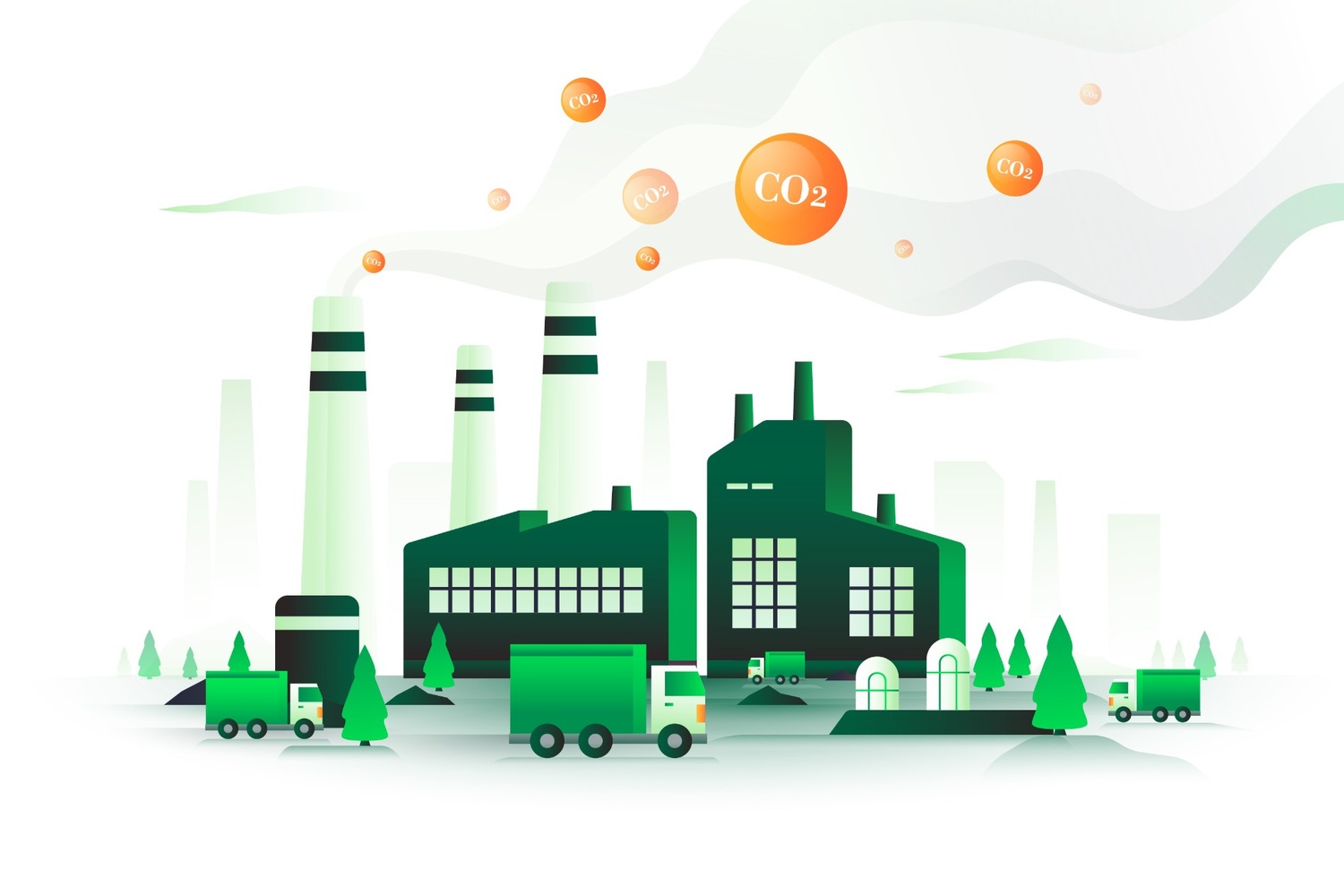
A net-zero factory balances the greenhouse gases it emits with those it removes or offsets. This is achieved by reducing energy use, switching to renewables, improving efficiency, and investing in carbon capture or offset projects.
In India, net-zero factories are becoming a benchmark for responsible manufacturing, especially in sectors like steel, cement, chemicals, and automotive.
What’s Driving the Net-Zero Movement in India?
Policy Push:
India’s National Green Hydrogen Mission and Green Steel Mission are accelerating the adoption of clean technologies. The government’s Perform, Achieve, Trade (PAT) scheme and Production Linked Incentives (PLI) for green tech are also nudging industries toward sustainability.
Corporate Commitments:
Indian conglomerates, such as Tata Steel, JSW, and Aditya Birla Group, are setting aggressive net-zero targets to push their supply chains to follow suit. This is creating a ripple effect across the industrial landscape.
Investor and Customer Expectations:
ESG (Environmental, Social, Governance) mandates are now influencing investment decisions. Customers, especially global buyers, increasingly demand proof of sustainable manufacturing.
What Are the Key Strategies for Achieving Net-Zero Factories?
- Renewable Energy Integration:
Switching to solar, wind, and even green hydrogen is now a top priority. India’s push for domestic solar cell manufacturing by 2028 is expected to make renewables more accessible and affordable for factories.
- Energy Efficiency Upgrades:
Retrofitting old equipment, using smart HVAC systems, and deploying IoT sensors can cut energy use by up to 25%. Digital twins and AI-driven analytics help optimize operations in real time.
- Circular Economy Practices:
Factories are reusing water, recycling waste, and designing products for easier disassembly. The adoption of circular economy principles is especially visible among MSMEs in small-town India.
- Green Building Design:
Net-zero factories use high-performance insulation, daylighting, and passive cooling to reduce energy demand. Building-integrated photovoltaics (BIPV) and rainwater harvesting are becoming standard features.
- Carbon Capture and Offsets:
Some sectors, like cement and steel, are piloting carbon capture and storage (CCS) to deal with unavoidable emissions. Others invest in reforestation or renewable energy credits to offset their footprint.
What Are the Latest Trends and Innovations?
Green Hydrogen: India’s National Green Hydrogen Mission is making hydrogen a viable clean fuel for heavy industries.
Smart Automation: AI and IoT are enabling real-time energy management, predictive maintenance, and process optimization.
Policy and Finance: Green bonds, government incentives, and new forums like the Bharat Climate Forum are making it easier for factories to invest in clean tech.
Small-Town Green Factories: MSMEs in rural India are adopting solar, biogas, and circular economy models, showing that net-zero isn’t just for big cities.
What Challenges Remain?
Transitioning to net-zero isn’t easy.
High Upfront Costs: Energy-efficient equipment and renewables require investment, though payback is improving.
Skill Gaps: Factories need trained staff to manage new technologies.
Supply Chain Emissions: Scope 3 emissions (from suppliers and logistics) are harder to control but are now under scrutiny.
Take Action: Make Your Factory Net-Zero Ready
The idea of net-zero factories has become the new standard for Indian industry. By embracing renewables, efficiency, and circular practices, manufacturers can cut costs, attract investment, and secure their future in a changing world.
Ready to future-proof your factory?
Connect with VMS Consultants for expert guidance in engineering, architecture, and project management for your next sustainable industrial project.
Let’s build a greener tomorrow, together.