Solar cell manufacturing requires substantial quantities of water for wafer cleaning, chemical processing, and rinsing operations. While these processes are essential for achieving the required cell quality and efficiency, they also generate wastewater containing chemicals that cannot be discharged without appropriate treatment.
Unlike conventional industrial wastewater, effluents from solar cell manufacturing may contain fluoride, acids, alkalis, dissolved salts, and other process-specific contaminants. Their composition can vary significantly between production stages and manufacturing technologies.
This makes wastewater treatment an important part of factory infrastructure planning, influencing utility requirements, environmental compliance, operating costs, and water availability.
This article examines the key considerations for wastewater treatment and effluent management in solar cell manufacturing.
What Types of Wastewater Are Generated in Solar Cell Manufacturing?
Wastewater characteristics depend on the manufacturing technology, chemical processes, and production equipment.
In crystalline silicon solar cell manufacturing, wet chemical processes such as wafer texturing, cleaning, and etching are major sources of industrial effluent.
Acidic and Fluoride-Containing Wastewater
Processes involving hydrofluoric acid and other chemicals can generate acidic wastewater containing fluoride ions and dissolved contaminants.
Fluoride is a significant treatment concern because excessive concentrations can affect water quality and require dedicated removal processes.
A 2024 review published in the Chemical Engineering Journal identifies fluoride-rich wastewater, ammonia-containing wastewater, and nitrate-containing wastewater as important treatment categories in photovoltaic cell manufacturing.
Alkaline and Other Process Effluents
Alkaline cleaning and texturing processes may generate wastewater containing sodium or potassium hydroxide, dissolved silicon compounds, and suspended solids.
Depending on the process, wastewater may also contain nitrates, ammonia, organic compounds, and residues from chemical treatment.
These streams can differ considerably in pH, concentration, and treatment requirements.
One of the most important early design decisions is identifying which wastewater streams should be collected separately rather than combining all effluents into a common drainage system.
Proper segregation can simplify treatment, improve chemical dosing efficiency, and reduce the risk of undesirable reactions.
How Should an Effluent Treatment Plant Be Designed for Solar Cell Manufacturing?
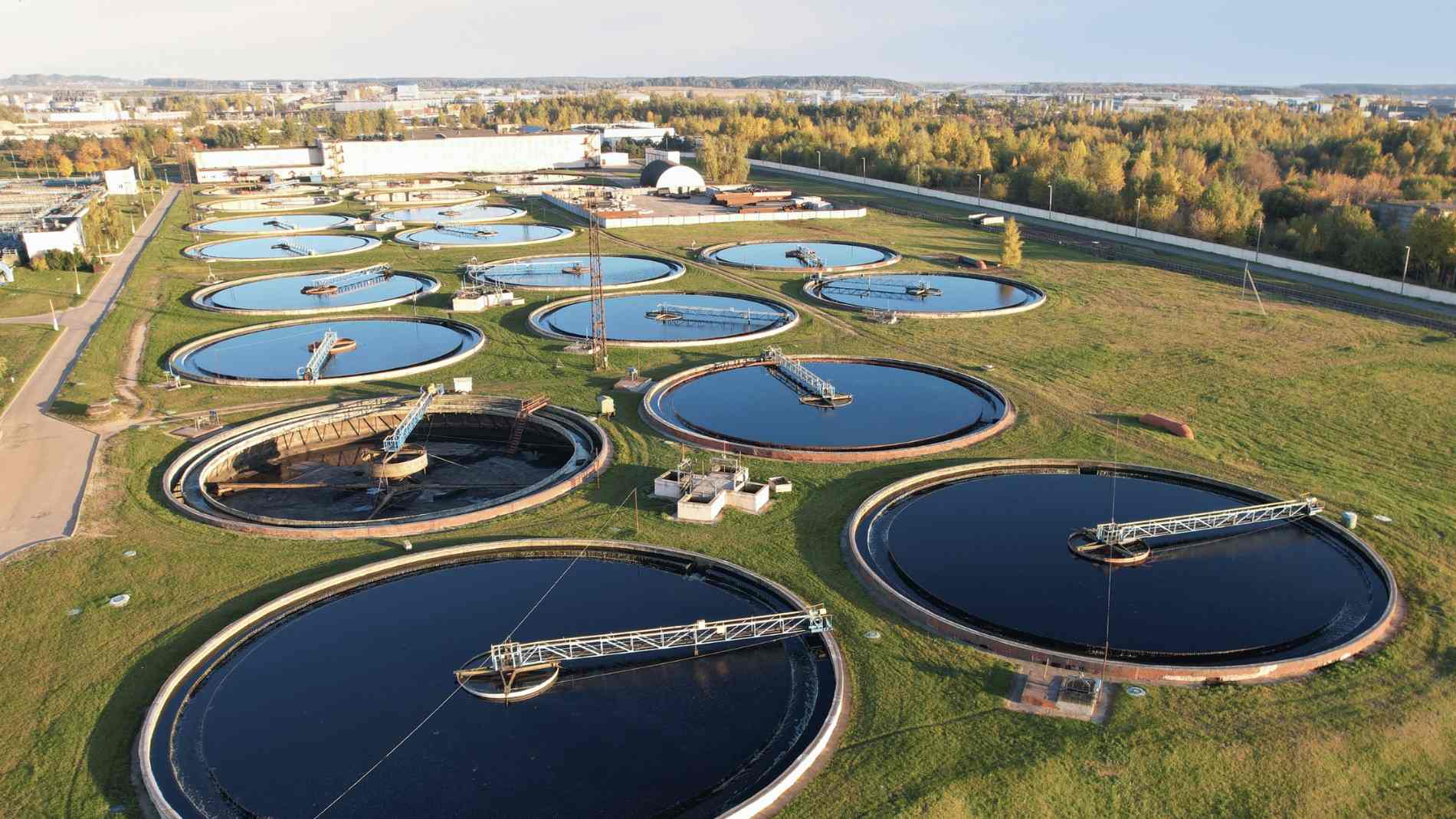
An effluent treatment plant (ETP) must be designed according to wastewater characteristics, daily generation, peak discharge rates, and required treated-water quality.
Selecting treatment equipment based only on total wastewater volume can lead to inadequate performance.
Collection, Segregation, and Equalization
Wastewater should be collected through appropriately designed drainage networks, with separate arrangements for incompatible or significantly different effluent streams.
Equalization tanks help manage variations in wastewater flow and concentration before treatment.
This is particularly relevant where manufacturing equipment operates in batches or where cleaning cycles create sudden increases in discharge.
Tank materials, pipe specifications, chemical resistance, and secondary containment should be selected according to the wastewater composition.
Neutralization and Chemical Treatment
Acidic and alkaline wastewater generally requires controlled pH adjustment before further treatment or discharge.
Fluoride-rich wastewater is commonly treated through chemical precipitation, often using calcium-based reagents to form calcium fluoride solids. The resulting solids can then be separated through clarification, settling, and filtration.
Research published in 2024 identified chemical precipitation as a preferred treatment method for fluoride-rich photovoltaic wastewater, while biological processes are commonly applied to suitable nitrogen-rich streams.
However, chemical treatment alone may not address every contaminant. Additional treatment stages may be required for dissolved salts, ammonia, nitrates, organic pollutants, or stringent reuse requirements.
Sludge Handling and Disposal
Chemical precipitation generates sludge that must be collected, dewatered, stored, and managed appropriately. Sludge characteristics depend on the treatment chemicals and contaminants present.
The ETP layout should therefore include adequate space for sludge handling equipment, storage, maintenance, and authorized waste movement.
Ignoring sludge management during early planning can create operational difficulties even when the liquid treatment system performs effectively.
What Are the Key Considerations for Water Recycling and Zero Liquid Discharge?
Water recycling can reduce freshwater demand and improve resource efficiency, particularly for manufacturing facilities in water-stressed industrial regions.
However, the suitability of treated wastewater for reuse depends on the quality requirements of the intended application.
Wastewater Recycling and Reuse
Treated wastewater may be reused for suitable industrial applications, such as cooling tower make-up or selected utility operations, subject to adequate treatment and water quality verification.
Processes requiring high-purity water generally need additional purification before recovered water can be reused.
Technologies such as ultrafiltration, reverse osmosis (RO), and ion exchange may be incorporated depending on the required quality.
Membrane treatment must also account for scaling, fouling, and concentrate disposal.
Zero Liquid Discharge Systems
Zero liquid discharge (ZLD) aims to eliminate routine liquid wastewater discharge by recovering water and managing the remaining concentrated waste.
A ZLD system may include conventional effluent treatment, membrane filtration, RO, evaporators, and crystallization systems. However, ZLD introduces additional energy consumption, equipment requirements, and operating costs.
It should not automatically be assumed that every solar cell manufacturing facility must implement ZLD.
For example, a 2026 environmental clearance for a solar cell manufacturing project in India specifically required treated effluent reuse, RO treatment, and a multi-effect evaporation system for RO rejects. This demonstrates how ZLD requirements can be imposed through project-specific approvals.
The appropriate treatment and reuse strategy should therefore be established through regulatory assessment, water balance calculations, and technical feasibility studies.
What Engineering and Infrastructure Factors Affect ETP Performance?
Wastewater treatment infrastructure must be integrated with the overall factory master plan.
The ETP location should allow efficient wastewater collection, safe chemical delivery, sludge removal, and maintenance access.
Gravity drainage can reduce pumping requirements where site levels permit, but drainage routes must also consider chemical compatibility, leakage prevention, and future expansion.
Electrical supply, instrumentation, automation, ventilation, and emergency containment arrangements are equally important.
A common oversight is designing the ETP for average wastewater generation without adequately considering peak flows or changes in chemical concentration.
For large solar cell manufacturing facilities, the design should also account for production expansion, equipment modifications, and changes in process chemistry.
The wastewater treatment system must remain capable of supporting the factory as manufacturing requirements evolve.
Conclusion
Wastewater treatment in solar cell manufacturing requires a process-specific approach that considers the characteristics of individual effluent streams, treatment performance, environmental requirements, and opportunities for water recovery.
Effective effluent management begins before the treatment plant is designed. Decisions related to wastewater segregation, drainage networks, treatment technology, and reuse infrastructure can significantly influence operating costs and long-term reliability.
For project owners, wastewater management should be considered an integral part of manufacturing facility planning rather than a separate environmental system introduced during later design stages.
Planning a Solar Cell Manufacturing Facility?
VMS provides multidisciplinary architecture and engineering services for solar manufacturing facilities. Connect with our team to discuss industrial utility planning, wastewater infrastructure, and integrated factory design.
Frequently Asked Questions
1. What Are the Main Pollutants in Solar Cell Manufacturing Wastewater?
Common pollutants include fluoride, acids, alkalis, dissolved salts, suspended solids, and process-specific nitrogen compounds or organic substances. Their concentrations depend on manufacturing technology, chemical usage, and wastewater collection practices.
2. How Is Fluoride Removed From Solar Cell Manufacturing Wastewater?
Fluoride is commonly removed through chemical precipitation using calcium-based reagents. The resulting calcium fluoride solids are separated through clarification or filtration. Additional treatment may be required depending on the target fluoride concentration and other contaminants present.
3. Is Zero Liquid Discharge Mandatory for Solar Cell Manufacturing Plants in India?
ZLD is not a universal requirement for every solar cell manufacturing plant. Its applicability depends on environmental clearance conditions, State Pollution Control Board requirements, industrial location, and other applicable regulations.
4. Can Treated Wastewater Be Reused in Solar Cell Manufacturing?
Yes. Treated wastewater can potentially be reused for suitable industrial applications, depending on its quality. Reuse in high-purity manufacturing processes requires additional treatment and verification against the process water specifications.