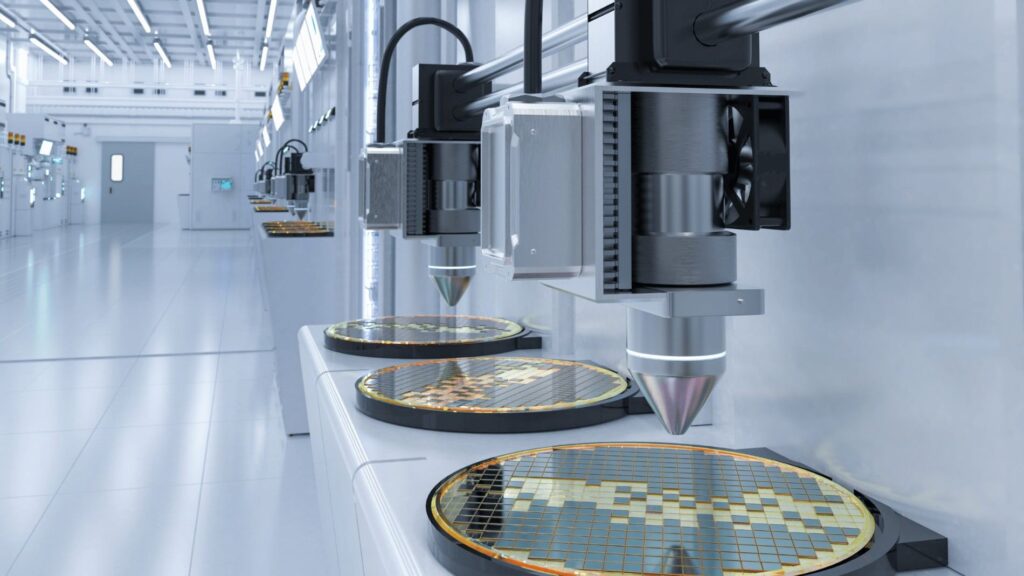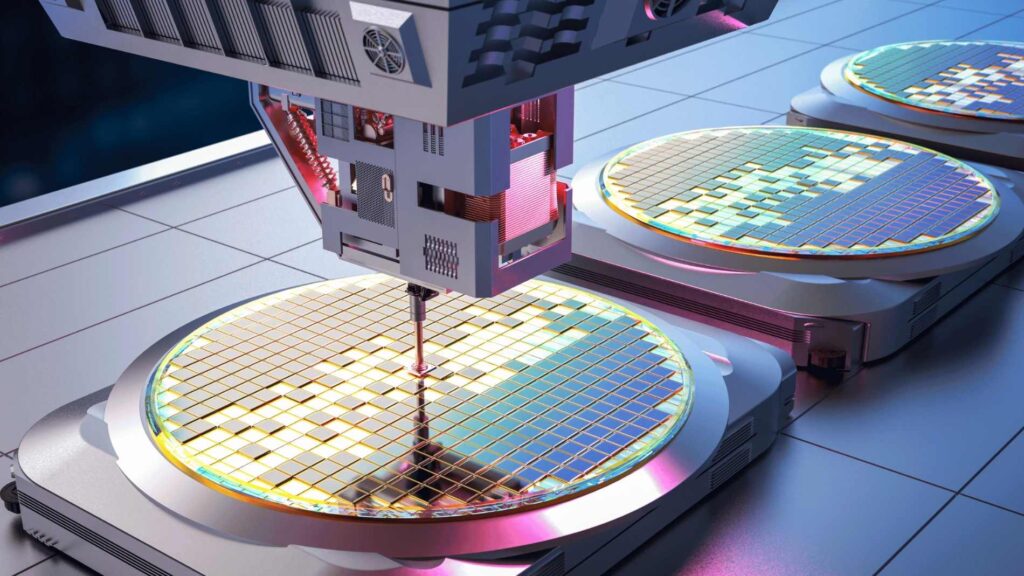
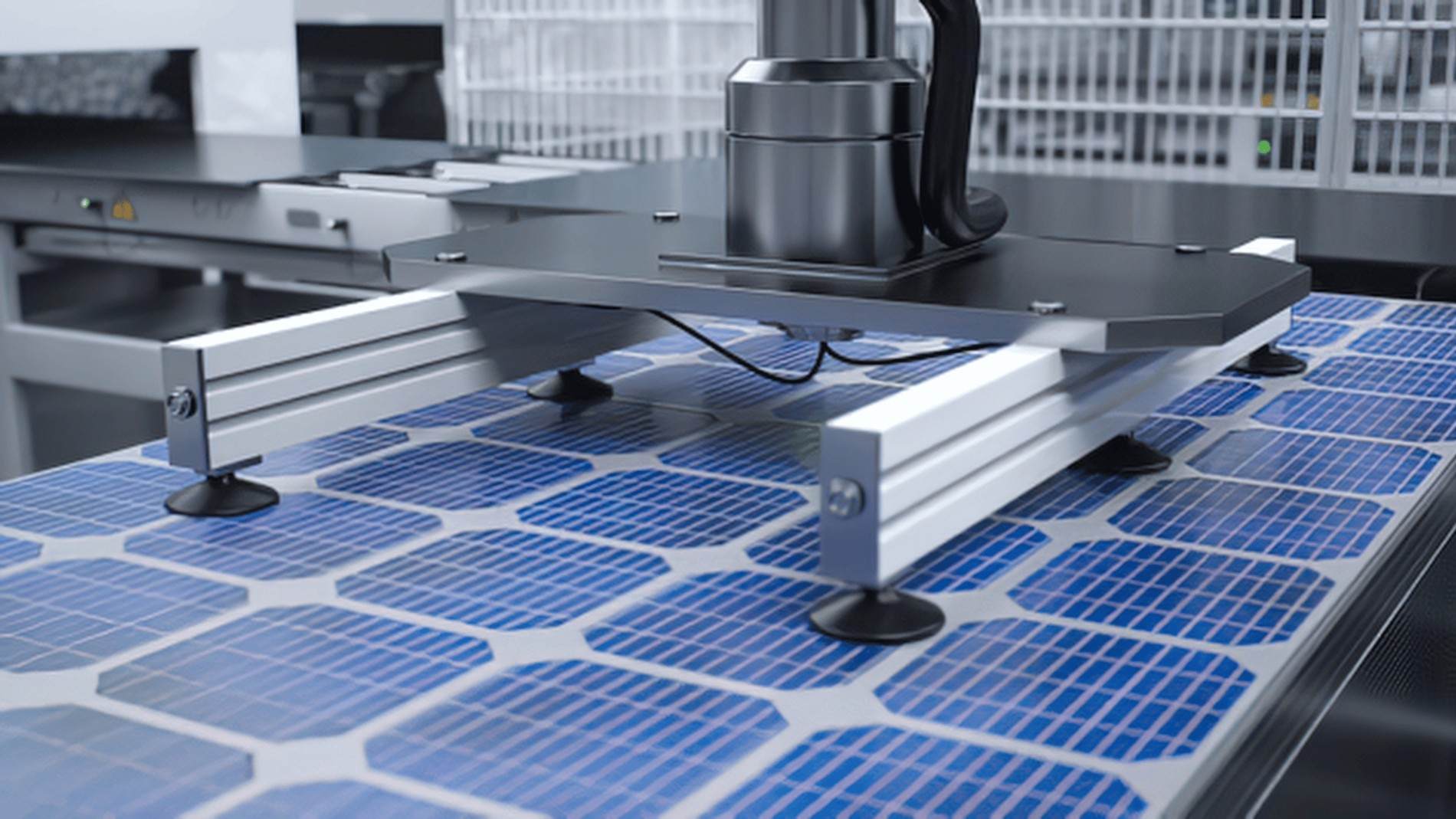
A solar cell manufacturing facility can have sufficient production floor space and still face serious operational limitations if its utilities, process environment, or material movement systems are not planned correctly.
A poorly located chemical distribution area, insufficient exhaust capacity, or limited space for future equipment can affect production efficiency and increase modification costs.
Unlike conventional industrial buildings, solar cell factories involve a combination of precision manufacturing equipment, chemical processing, controlled environments, and substantial utility infrastructure. These requirements must be addressed alongside architectural, structural, electrical, mechanical, and fire safety design.
As solar cell technologies continue to develop, particularly with the adoption of TOPCon and other high-efficiency cell architectures, facility planning must also account for changing equipment configurations and process requirements.
This article explains the key engineering and design considerations for solar cell manufacturing facilities.
How Do Solar Cell Manufacturing Processes Impact Facility Design?
The first step in designing a solar cell factory is understanding the production process and its infrastructure requirements.
Solar cell manufacturing is different from solar module assembly. While module production primarily involves processes such as stringing, lamination, framing, and testing, cell manufacturing includes wafer treatment, chemical processing, thin-film deposition, metallization, and electrical testing.
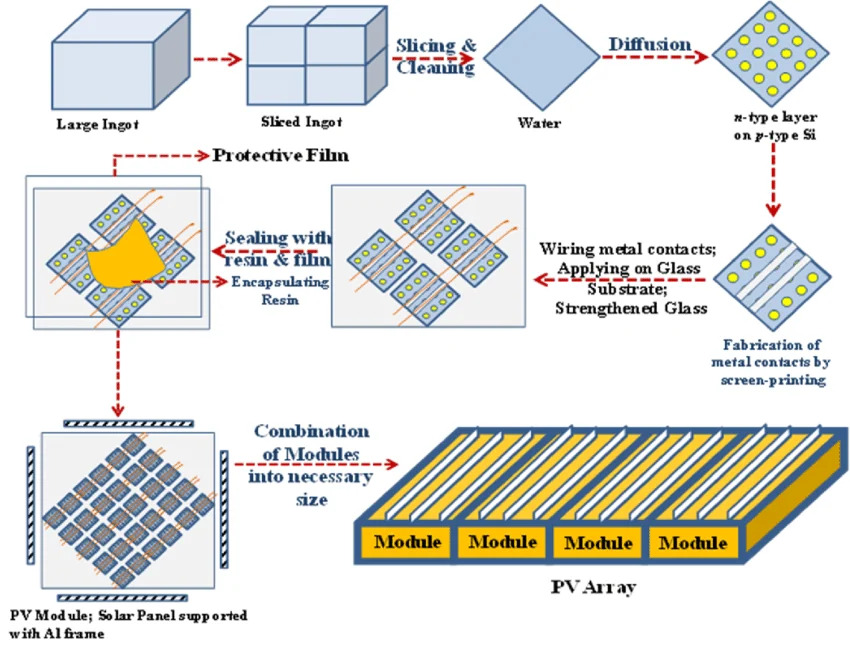
Technology-Specific Production Requirements
Different cell technologies create different engineering requirements.
For example, TOPCon manufacturing typically involves additional surface passivation and contact formation processes, which may require specialized deposition equipment, high-temperature processing, and associated gas and exhaust systems.
Heterojunction (HJT) technology uses a different process architecture, including thin-film deposition and temperature-sensitive processing steps. Its facility requirements therefore differ from those of conventional diffusion-based production lines.
These differences affect equipment arrangement, floor loading, process exhaust, electrical demand, gas distribution, maintenance access, and environmental control.
A production capacity target alone is not sufficient to establish the factory’s engineering requirements. Two plants with similar annual GW capacities may require substantially different infrastructure depending on technology, equipment selection, automation, and production configuration.
What Are the Key Planning Considerations for a Solar Cell Manufacturing Facility?
A well-planned factory layout must accommodate production equipment while maintaining efficient movement of wafers, chemicals, personnel, and finished cells.
Production Layout and Material Flow
The production sequence should guide the arrangement of manufacturing areas.
Incoming wafers generally move through inspection, cleaning, processing, metallization, testing, and sorting before being transferred for packaging or downstream module production.
The layout should minimize unnecessary material handling, cross-movement, and transfer distances between consecutive processes.
However, the shortest production route is not always the most practical. Chemical handling zones, maintenance access, personnel movement, and safety segregation may require dedicated circulation routes.
For highly automated factories, automated material handling systems and equipment interfaces should be coordinated early with the building design.
Space Allocation Beyond Production Equipment
A common planning mistake is calculating the building area primarily from equipment footprints.
Solar cell manufacturing facilities also require space for:
- Chemical storage and distribution, specialty gases, and process utility systems.
- Electrical substations, transformer rooms, UPS systems, and control rooms.
- HVAC equipment, exhaust treatment, chilled water, and compressed air systems.
- Maintenance workshops, spare parts storage, material staging, and internal circulation.
These supporting areas can occupy significant space and should be incorporated into the initial master plan rather than accommodated later.
Structural Design and Equipment Coordination
Structural engineering requirements depend on equipment dimensions, operating loads, vibration sensitivity, and maintenance arrangements.
Some production equipment requires localized foundation strengthening, vibration control, or specific floor-level tolerances.
Equipment installation routes, roof-mounted services, suspended utility supports, and future equipment replacement must also be considered.
Early coordination between the process equipment supplier, structural engineer, and architectural team can reduce the need for expensive modifications during installation.
What Utility Infrastructure Is Required for Solar Cell Manufacturing?
Utility infrastructure is among the most critical elements for solar cell manufacturing facility. Production equipment may be ready for installation, but manufacturing cannot begin reliably without properly sized and commissioned utility systems.
Electrical Power and Distribution
Solar cell manufacturing involves electrical loads from process equipment, high-temperature furnaces, vacuum systems, HVAC, cooling systems, and utility plants.
Electrical planning should account for connected load, operating demand, power quality, harmonics, redundancy, and future expansion.
Critical processes may require UPS support or backup arrangements to protect equipment, maintain controls, or enable safe shutdown during power interruptions.
Rather than applying a uniform redundancy strategy across the facility, project owners should identify which systems require uninterrupted operation and which can tolerate controlled shutdowns.
Water Supply, Treatment, and Wastewater Management
Several solar cell production processes require high-purity water for cleaning, rinsing, and chemical treatment.
Depending on the process, water treatment may involve reverse osmosis, deionization, polishing, and continuous water quality monitoring.
The facility must also manage wastewater containing acids, alkalis, fluorides, and other process-specific contaminants.
Wastewater treatment systems should be designed around the actual chemical composition and flow characteristics of individual waste streams. Segregating incompatible streams at the source can improve treatment performance and reduce operational risks.
Water recovery and reuse opportunities should be evaluated during design, particularly in industrial locations where freshwater availability is limited.
Process Gases, Chemicals, and Exhaust Systems
Solar cell manufacturing can involve hazardous chemicals and specialty gases, depending on the selected process technology.
These systems require engineered storage, distribution, monitoring, ventilation, and emergency isolation arrangements.
Dedicated exhaust systems may be necessary for acid fumes, alkaline vapours, solvent emissions, and process gases.
Exhaust treatment equipment, including wet scrubbers or other appropriate abatement systems, must be selected according to the contaminants and process conditions.
The location of utility plants is as important as their capacity. Long distribution routes can increase pressure losses, installation costs, maintenance complexity, and operational energy consumption.
A coordinated utility master plan should therefore be developed alongside the production layout.
What Environmental Control and HVAC Systems Are Required?
Environmental conditions directly influence manufacturing consistency, equipment reliability, and product quality.
Solar cell factories do not necessarily require the same cleanroom classification across every production area. Environmental requirements vary depending on the process, equipment sensitivity, contamination risks, and manufacturer specifications.
Temperature, Humidity, and Contamination Control
Certain production processes require controlled temperature and humidity to maintain stable operating conditions. Airborne particles, chemical contamination, and uncontrolled airflow can affect sensitive surfaces and manufacturing equipment.
HVAC design should therefore consider process-specific cleanliness requirements, filtration, pressure relationships, humidity control, and heat generation from equipment.
Instead of applying uniform cleanroom conditions throughout the facility, design teams should establish environmental zones based on actual process requirements. This approach can reduce unnecessary HVAC capacity and operating costs while maintaining suitable manufacturing conditions.
Coordination Between HVAC and Process Exhaust
One frequently overlooked issue is the relationship between process exhaust and conditioned air.
Chemical processing equipment may require substantial exhaust airflow. The removed air must be replaced through a properly designed make-up air system.
If these systems are designed independently, the factory may experience pressure imbalances, uncontrolled infiltration, unstable temperatures, or excessive HVAC energy consumption.
Air handling units, exhaust systems, process cooling, and building management systems should therefore be designed as an integrated arrangement.
In India’s hot and humid regions, the energy required for cooling and dehumidification deserves particular attention during early design.
How Should Safety, Environmental Compliance, and Future Expansion Be Addressed?
Safety and environmental management are fundamental design considerations because solar cell manufacturing may involve corrosive chemicals, hazardous gases, high-temperature equipment, and complex electrical systems.
Chemical Safety and Fire Protection
Chemical storage and handling areas should be planned according to the properties and compatibility of the materials used.
Depending on the process, facilities may require segregated chemical storage, secondary containment, leak detection, emergency showers, gas monitoring, emergency shutdown systems, and dedicated ventilation.
Fire protection systems should be developed through a process-specific hazard assessment rather than relying only on general industrial occupancy assumptions.
Equipment supplier requirements, applicable Indian codes, and relevant international technical guidance should be reviewed during detailed engineering.
For example, SEMI S2 provides environmental, health, and safety guidance for semiconductor manufacturing equipment, while SEMI S6 addresses equipment exhaust ventilation. These are industry guidelines, not automatically mandatory Indian statutory requirements.
Environmental Approvals and Waste Management
In India, applicable environmental requirements must be identified early, including Consent to Establish and Consent to Operate under the relevant pollution-control framework.
The State Pollution Control Board determines consent conditions based on the proposed activity, pollution potential, location, and applicable regulations.
Wastewater treatment, air pollution control, hazardous waste management, and chemical storage infrastructure should be incorporated into the facility design.
Where zero liquid discharge is required by a project-specific approval, adequate space and infrastructure must be provided for additional treatment, recovery, and reject management systems.
For instance, a 2026 environmental clearance document for a solar cell manufacturing project specified wastewater reuse, zero liquid discharge, and controls for process-related emissions. Such conditions illustrate the level of infrastructure that may be required, but they should not be treated as universal requirements for every solar cell factory.
Planning for Technology Upgrades and Expansion
Solar cell manufacturing technology continues to change, making flexibility an important design consideration.
Future production lines may require different equipment footprints, electrical loads, gas distribution arrangements, and environmental conditions.
However, designing every system for an uncertain future capacity can create unnecessary initial investment.
A more practical approach is to distinguish between infrastructure that is difficult to modify later and equipment that can be expanded in stages.
For example, reserving land for future utility buildings, providing accessible service corridors, and planning electrical distribution routes may offer greater long-term value than installing oversized equipment from the beginning.
What Should Project Owners Evaluate Before Finalizing the Design?
A solar cell manufacturing project involves multiple stakeholders, including process technology providers, equipment manufacturers, architects, structural engineers, MEP consultants, environmental specialists, and construction teams.
The most effective design process begins by aligning their requirements before major architectural and infrastructure decisions are finalized.
Practical Pre-Design Checklist
| Design Area | Key Questions to Resolve |
|---|---|
| Manufacturing Technology | Is the process technology finalized, and are equipment specifications available? |
| Production Planning | Does the layout support efficient material movement, maintenance, and automation? |
| Electrical Infrastructure | Have operating demand, power quality, critical loads, and expansion requirements been assessed? |
| Process Utilities | Are water, gases, cooling, compressed air, and exhaust requirements coordinated? |
| Environmental Control | Are temperature, humidity, cleanliness, and pressure requirements defined by process area? |
| Safety and Compliance | Have chemical hazards, fire risks, environmental approvals, and waste treatment needs been evaluated? |
| Future Expansion | Can additional lines and utilities be introduced without major disruption to existing operations? |
A particularly useful step is to establish an integrated utility and equipment interface schedule.
This document identifies the utility connections, loads, environmental requirements, installation clearances, and responsibilities associated with each major production system.
At VMS, multidisciplinary industrial design experience reinforces the importance of coordinating architecture, structural engineering, MEP systems, and process infrastructure from the initial planning stage.
Conclusion
Designing a solar cell manufacturing facility requires more than accommodating production equipment within an industrial building.
The performance of the facility depends on how effectively manufacturing processes, utility infrastructure, environmental conditions, safety systems, and maintenance requirements are integrated.
Decisions made during early planning can influence operating costs, production reliability, future expansion, and project execution for many years.
A well-planned solar cell factory should not only support its initial production capacity but also remain practical to operate, maintain, and adapt as manufacturing requirements evolve.
Planning a Solar Cell Manufacturing Facility? VMS Consultants provides multidisciplinary architecture and engineering services for industrial and solar manufacturing facilities. Connect with our team to discuss your factory planning and infrastructure requirements.
Frequently Asked Questions
1. What Are the Main Utility Requirements for a Solar Cell Manufacturing Plant?
Major utilities generally include electrical power, high-purity water, process cooling, compressed air, specialty gases, chemical distribution, process exhaust, and wastewater treatment. Actual requirements depend on the selected cell technology, production equipment, and manufacturing capacity.
2. Does a Solar Cell Manufacturing Facility Require a Cleanroom?
Not every manufacturing area requires a formally classified cleanroom. Certain processes may need controlled airborne particle levels, temperature, humidity, or pressure conditions.
3. How Much Space Is Required for a 1 GW Solar Cell Manufacturing Plant?
There is no universal area requirement for a 1 GW solar cell plant. The total built-up area depends on cell technology, equipment throughput, number of production lines, automation, utility arrangements, storage, and expansion provisions.
4. What Are the Most Common Design Challenges in Solar Cell Manufacturing Facilities?
Common challenges include incomplete equipment information, inadequate utility coordination, insufficient space for maintenance, poorly planned chemical handling, and late changes to process requirements. Early involvement of equipment suppliers and multidisciplinary engineering teams can help reduce these challenges.