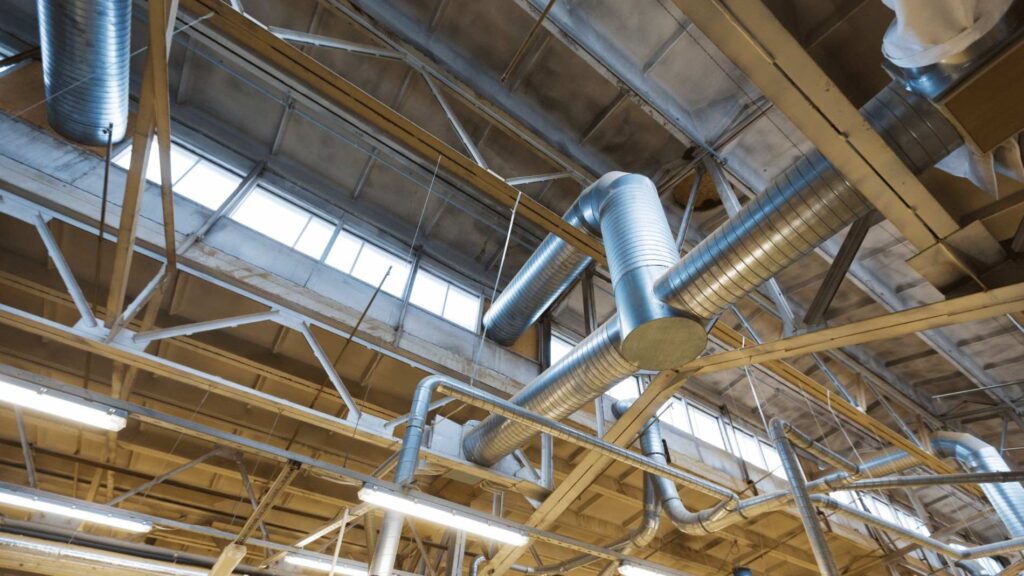
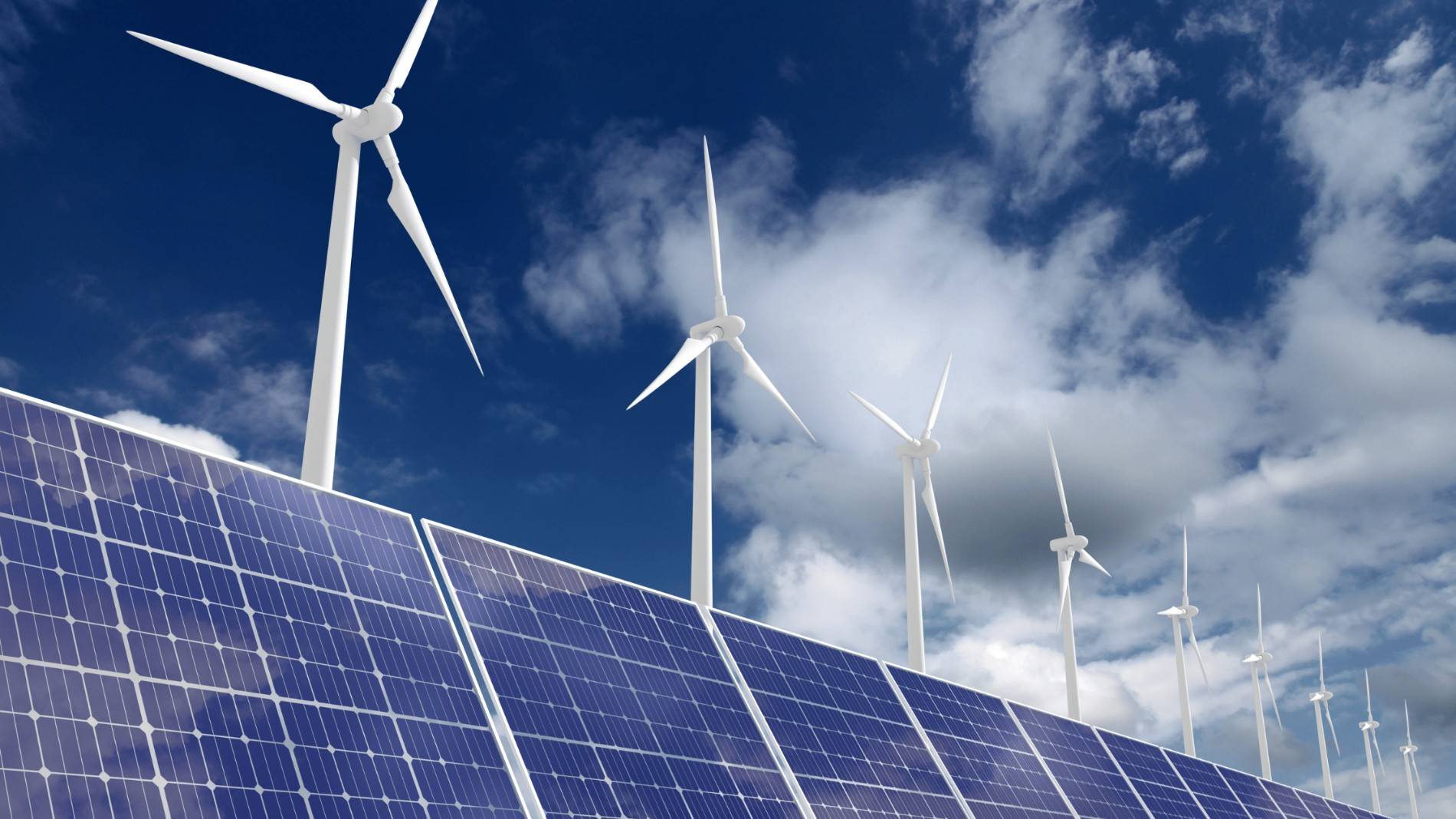
A solar module assembly plant, a battery cell factory, and a wind blade facility may serve the same energy transition, but they require very different industrial environments. Their production conditions, material handling systems, and safety considerations require different factory designs.
India’s renewable energy manufacturing sector is becoming more varied as domestic supply chains deepen and new equipment categories attract investment. For manufacturers, the question is moving beyond how much production capacity to build towards which capabilities to establish and how to support them reliably.
Five trends help explain this shift. Their implications can guide decisions about technology, location, infrastructure, and expansion.
Solar Manufacturing Is Moving Further Up the Value Chain
India’s solar manufacturing expansion is increasingly concerned with the stages behind the finished module. Module assembly combines cells, glass, encapsulates, and other components; cell manufacturing and upstream wafer production involve different processes and infrastructure.
Policy is reinforcing this direction. MNRE’s ALMM framework now includes a separate list for solar cells, while its July 2026 announcement retained the policy and provided a limited exemption window for specified net-metering and open-access projects until 31 December 2026. Applicability must therefore be checked against the relevant project category and current notifications, rather than assumed to be identical across all solar projects. [1]
For manufacturers, deeper integration can offer greater control over component availability and product specifications. However, adding cell production to a module business is a separate industrial investment, rather than simply an extension of the assembly hall.
The planning implication is to define the manufacturing boundary early. A campus intended for future cell production should be evaluated for process utilities, environmental infrastructure, utility corridors, and equipment access before land is fully allocated. Reserving an empty plot alone does not establish expansion readiness.
Owners should also distinguish nameplate capacity from dependable output. Equipment commissioning, process stabilization, qualified products, and consistent production are separate milestones that need to be reflected in supply and project schedules.
Advanced Solar Technologies Are Changing Factory Requirements
Solar manufacturing investment is also responding to changes in cell and module technology. Waaree’s December 2025 announcement, for example, identified advanced TOPCon and heterojunction modules within its expanded ALMM listing, illustrating the presence of multiple technology routes in India’s manufacturing base. [2]
TOPCon and heterojunction are different approaches to solar cell design. For an owner planning a factory, their significance extends beyond the efficiency or wattage of the finished product: the selected production route shapes equipment, process sequences, utilities, and operating conditions.
Technology selection should therefore precede detailed facility design. Process-sensitive zones, equipment maintenance space, material movement, and utility connections need to be developed with the equipment supplier and process engineering team.
A common mistake is to finalize the building while major equipment assumptions remain unsettled. Later changes can affect service routes, floor layouts, installation access, and commissioning plans.
Flexibility should be selective. Teams can reserve service capacity and space where upgrades are reasonably foreseeable, while designing specialized production environments around confirmed requirements. Making every part of a factory adaptable can increase cost without providing useful operational value.
Battery Storage Is Broadening the Manufacturing Ecosystem
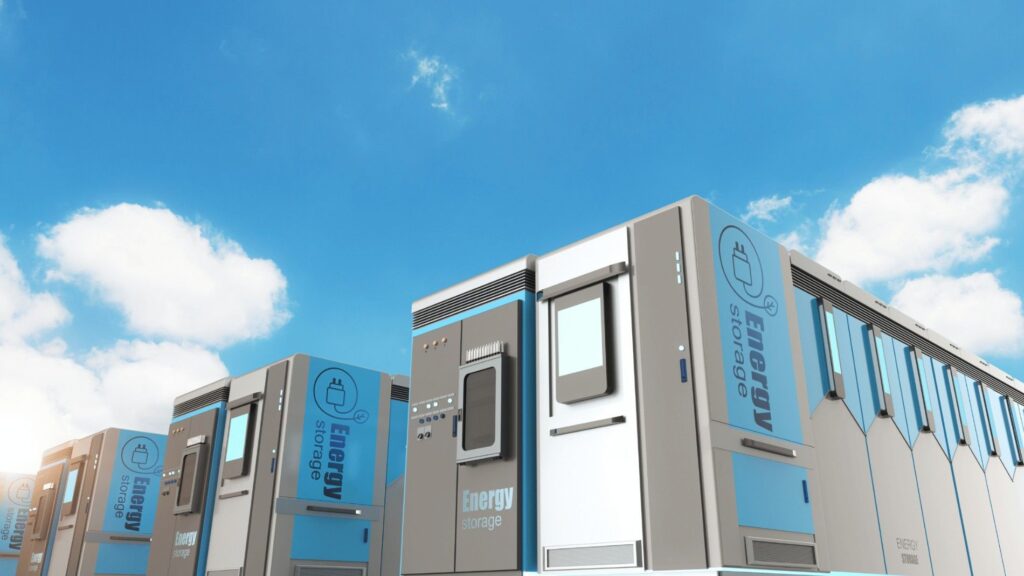
Battery manufacturing is becoming an important part of the wider clean-energy equipment landscape, although batteries also serve markets such as electric mobility. For renewable energy, storage creates a connection between variable electricity generation and electricity supplied when required.
A February 2026 government response reported that, beyond ACC PLI applicants, at least ten manufacturers had announced about 178 GWh of cumulative capacity over the following five years. It also identified announcements for component manufacturing and recycling. These figures describe planned capacity, rather than commissioned output or capacity dedicated exclusively to renewable energy storage. [3]
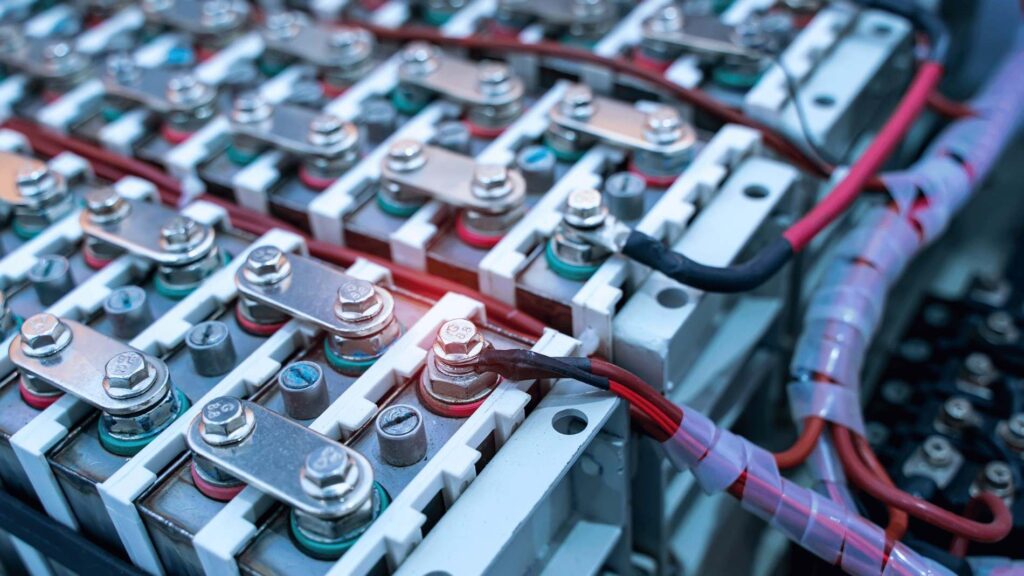
The distinction between cell manufacturing and battery system assembly is particularly important. Cell production involves making the electrochemical cell; downstream operations may assemble purchased cells into modules, packs, or complete storage systems.
These activities should not share an assumed facility specification. Depending on the process, cell manufacturing may require tightly controlled moisture conditions, specialized exhaust systems, and extensive process utilities, while system assembly places different demands on handling, electrical testing, and finished-product storage.
Owners should establish the product chemistry, manufacturing scope, testing sequence, and inventory strategy before fixing the layout. Fire protection and emergency planning also need to account for the actual materials and battery conditions present.
A practical starting question is: Will the facility manufacture cells, assemble batteries, integrate storage systems, or combine these activities? The answer changes the project brief substantially.
Larger Wind Components Are Making Logistics a Design Priority
Wind equipment manufacturing presents a different set of constraints. MNRE reports domestic annual wind turbine production capacity of about 18,000 MW and notes that turbine unit sizes available in the country have reached 5.2 MW. These figures indicate manufacturing capability, rather than annual production or installations. [4]
As turbine designs change, manufacturers must assess the dimensions and handling requirements of the specific components they will produce. Blades, towers, nacelles, and associated equipment create different demands on factory geometry and movement.
For large components, logistics should influence site selection before the building is designed. A suitable industrial plot may still be difficult to operate if the external transport route contains restrictive turns, bridges, overhead obstacles, or unsuitable access roads.
Within the site, teams need to coordinate production bays, lifting arrangements, temporary storage, loading positions, and vehicle maneuvering. Blade manufacturing and heavy assembly may require very different structural and environmental provisions.
The useful planning approach is to trace the component’s complete journey: incoming materials, production, inspection, storage, dispatch, and onward transport. This can reveal constraints that a conventional building-area calculation would miss.
Electrolyser Manufacturing Is Creating a New Equipment Category
Green hydrogen is opening another manufacturing opportunity through the equipment used to produce it. Electrolysers use electricity to split water into hydrogen and oxygen; manufacturing an electrolyser is distinct from operating a green hydrogen production plant.
Under the National Green Hydrogen Mission, India provides separate incentives for electrolyser manufacturing and green hydrogen production. A March 2026 government update reported electrolyser manufacturing capacity awards of 3,000 MW per year to fifteen companies. An award is a programme milestone, not confirmation that all the capacity is operational. [5]
For facility planning, the key question is how much of the equipment will be manufactured locally. Producing components, assembling stacks, integrating complete systems, and conducting performance tests involve different spaces and utility requirements.
Testing deserves particular attention. Where hydrogen is generated during testing, the project team must evaluate ventilation, detection, electrical equipment suitability, and other safety measures against the actual test arrangement and applicable requirements.
The commercial plan should also guide expansion. A factory serving pilot-scale orders may need a different balance of assembly, testing, and development space from one intended for repeat production at scale.
What These Trends Mean for Factory Planning
Across India’s renewable energy manufacturing sector, the common requirement is closer coordination between business strategy, process engineering, and facility design. A large building cannot compensate for an unsuitable site, inadequate utility infrastructure, or a poorly defined production scope.
Before committing to a layout, owners and project teams should:
- Confirm the process boundary: Identify which components will be manufactured, purchased, assembled, and tested.
- Validate the utility basis: Obtain equipment loads and operating conditions, including start-up and future-phase requirements.
- Check external dependencies: Assess component supply, power and water availability, transport access, and approval timelines.
- Plan commissioning sequences: Coordinate building readiness, equipment installation, utility commissioning, and trial production.
- Protect realistic expansion options: Reserve the infrastructure routes and access needed for the next credible phase.
The central lesson is that manufacturing growth requires more than additional floor space. Facilities need to support the selected technology, dependable production, and a workable route to future capability.
Early decisions about process scope and infrastructure can determine how effectively an investment becomes an operating factory.
Frequently Asked Questions
What Is Driving Renewable Energy Manufacturing in India?
Domestic supply-chain development, equipment technology changes, and policy support are influencing investment. Opportunities differ between solar, wind, batteries, and electrolysers, so manufacturers should assess demand and project feasibility for their specific product.
Is Solar Module Manufacturing the Same as Solar Cell Manufacturing?
No. Module manufacturing assembles cells and other materials into finished panels, while cell manufacturing produces the electricity-generating semiconductor device. The processes require different equipment and supporting infrastructure.
Can an Existing Factory Be Converted for Renewable Energy Equipment Manufacturing?
Sometimes, subject to a process-specific feasibility assessment. Structural capacity, clear height, utility availability, environmental controls, logistics, and safety provisions should be checked before selecting the building.
How Should Manufacturers Plan for Future Expansion?
Start with a credible future product and production scope. Reserve suitable land, utility routes, equipment access, and supporting infrastructure, while avoiding expenditure on uncertain requirements.
Planning a renewable energy manufacturing facility?
Connect with VMS for industrial architecture and multidisciplinary engineering support.
Develop a facility plan that aligns production requirements, infrastructure, and future expansion.
Sources / References Used
MNRE / PIB: ALMM Policy and Limited Exemption Window, 18 July 2026
Waaree Energies: Expanded ALMM Listing, 29 December 2025
Ministry of Heavy Industries / PIB: Domestic Battery Raw Material Ecosystem, 13 February 2026
MNRE: Wind Technology Development and Manufacturing Base
MNRE / PIB: Green Hydrogen Mission Progress, 24 March 2026