When India became independent in 1947, its industrial base was limited. The country depended heavily on imports for machinery, equipment, and several manufactured goods.
Nearly eight decades later, today India manufactures automobiles, pharmaceuticals, electronics, solar modules, defense equipment and advanced engineering products. This transformation reflects a steady change in how industries are planned, operated, and connected with the economy.
India’s manufacturing journey has moved from building basic industrial capacity to creating factories that must be intelligent, sustainable, resilient and human-centric.
The Early Years For Nation-Building
 © Image: HAL Museum
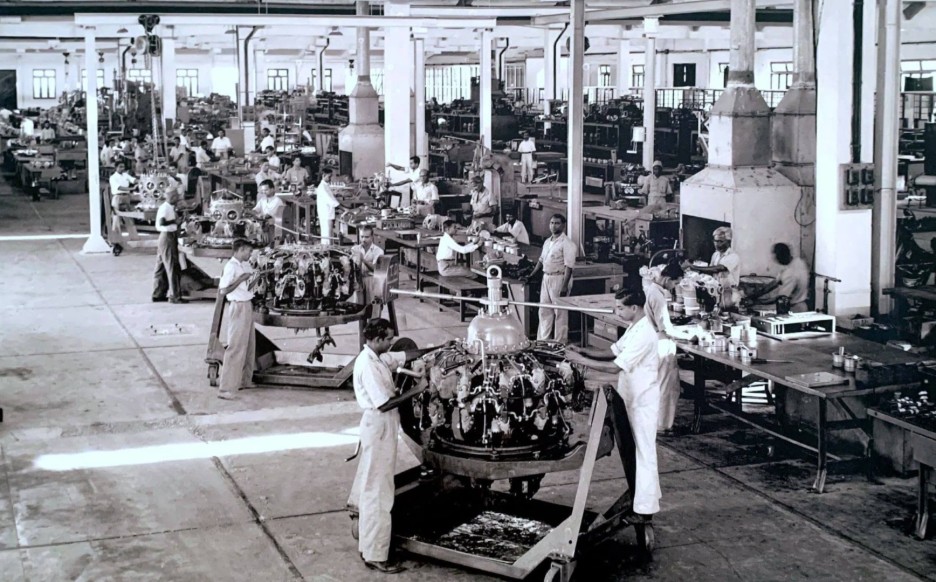
In the years following independence, industrial development was closely linked with national self-reliance. India needed to build the capacity to produce essential materials, machinery and infrastructure within the country.
The Industrial Policy Resolution of 1956 gave the public sector a leading role in industries considered important for national development. Major investments were made in steel, heavy engineering, mining, power generation and machine tools.
Large steel plants, dams, power stations and public-sector enterprises created the physical and technical foundation for industrial growth. They also helped develop engineering skills and supporting industries across the country.
What Did Factories Prioritize?
Factories built during this period were mainly production-driven. Their planning focused on:
- Accommodating heavy machinery and industrial processes
- Providing large production areas and storage spaces
- Ensuring structural strength and reliable utility supply
- Supporting labor-intensive manufacturing operations
Automation was limited, and production depended heavily on manual skills and conventional machinery. Worker amenities, energy efficiency and flexibility for future changes received less attention than production capacity.
The Rise Of Supporting Industries
© A view of the 100th Locomotive manufactured at the Chittaranjan Works, March 1954 / Photo Division, Government of India / CC0
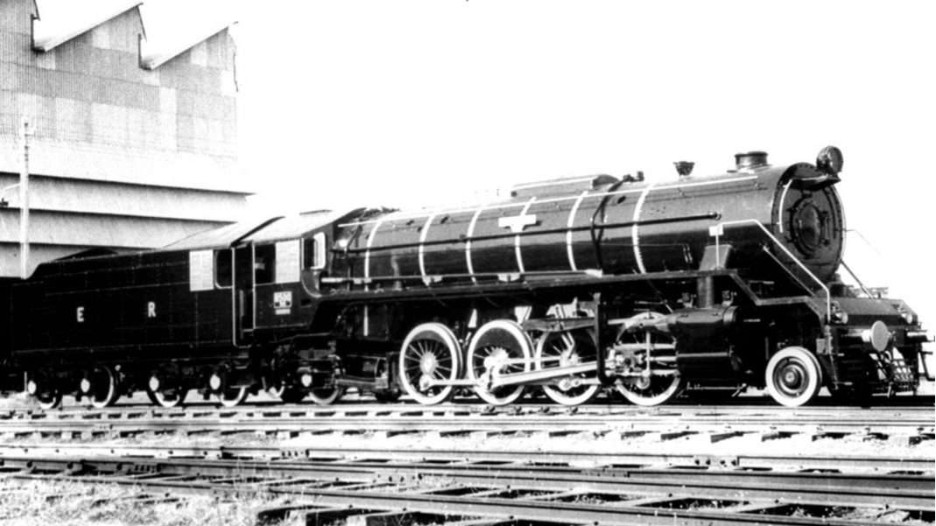
From the 1960s to the 1980s, India’s manufacturing ecosystem gradually became broader. Small and medium enterprises began supplying components, fabricated products, tools, maintenance services and specialized materials to larger industries.
Industrial estates supported this expansion by providing manufacturing units with access to land and common infrastructure. Domestic capabilities grew in textiles, chemicals, pharmaceuticals, food processing, electrical equipment and automotive components.
However, industrial licensing, import controls and restrictions on production capacity shaped how companies could grow. These measures protected domestic industries, but they also limited access to advanced equipment and global manufacturing practices.
India had created an industrial base. The next challenge was to make it more competitive.
The 1991 Turning Point
Economic liberalization in 1991 marked a major change in India’s manufacturing journey. Industrial licensing was substantially reduced, foreign investment became easier, and Indian companies faced greater international competition.
Manufacturers began adopting modern machinery, quality management systems and internationally accepted production standards. Automotive, pharmaceutical, engineering and consumer-goods industries expanded, while Indian companies became more closely connected with global supply chains.
The Factory Became An Operational System
This shift also changed industrial design. A factory could no longer be planned simply as a building around machines.
Manufacturers increasingly needed:
- Clear movement of people and materials
- Efficient receiving and dispatch areas
- Controlled manufacturing environments
- Better worker facilities and safety systems
- Space for utilities, automation and future expansion
Factory planning became part of business strategy. Decisions related to zoning, circulation, structural grids and services began affecting production efficiency and long-term operating costs.
A Renewed Focus On Domestic Manufacturing
The launch of Make in India in 2014 brought manufacturing back into national focus. It was followed by industrial corridors, logistics infrastructure, Production Linked Incentive schemes and programmes supporting electronics, semiconductors, renewable energy equipment and other strategic sectors.
According to the Economic Survey 2025–26, PLI schemes across 14 sectors had attracted more than ₹2 lakh crore in actual investment by September 2025.
These investments generated over ₹18.7 lakh crore in incremental production and sales and supported more than 12.6 lakh direct and indirect jobs.
India is also moving towards higher-value manufacturing. Medium- and high-technology industries now account for 46.3% of the country’s manufacturing value added. Manufacturing GVA grew by 7.72% in the first quarter and 9.13% in the second quarter of FY 2025–26, according to a PIB manufacturing update.
Solar Manufacturing Reflects This Shift
Solar manufacturing is one of the clearest examples of India’s changing industrial priorities. Government initiatives such as the PLI Scheme for High-Efficiency Solar PV Modules and the Approved List of Models and Manufacturers have encouraged domestic capacity across modules, cells and other parts of the solar value chain.
India’s solar module manufacturing capacity increased from 2.3 GW in 2014 to approximately 172 GW by March 2026, according to a Government of India update. This expansion is creating demand for large, utility-intensive facilities with controlled environments, automated production lines and carefully planned logistics.
Established in 1963 as a structural engineering practice, VMS Consultants has evolved alongside India’s industrial sector into an integrated consultancy for manufacturing facilities. Today, its work includes many solar and renewable-energy manufacturing projects, along with facilities across a range of other industrial sectors.
The growth of solar manufacturing also shows how policy, energy security and industrial development are becoming closely connected. India is no longer focusing only on installing renewable-energy capacity; it is also building the domestic manufacturing ecosystem required to support it.
Industry 4.0 Connected The Factory
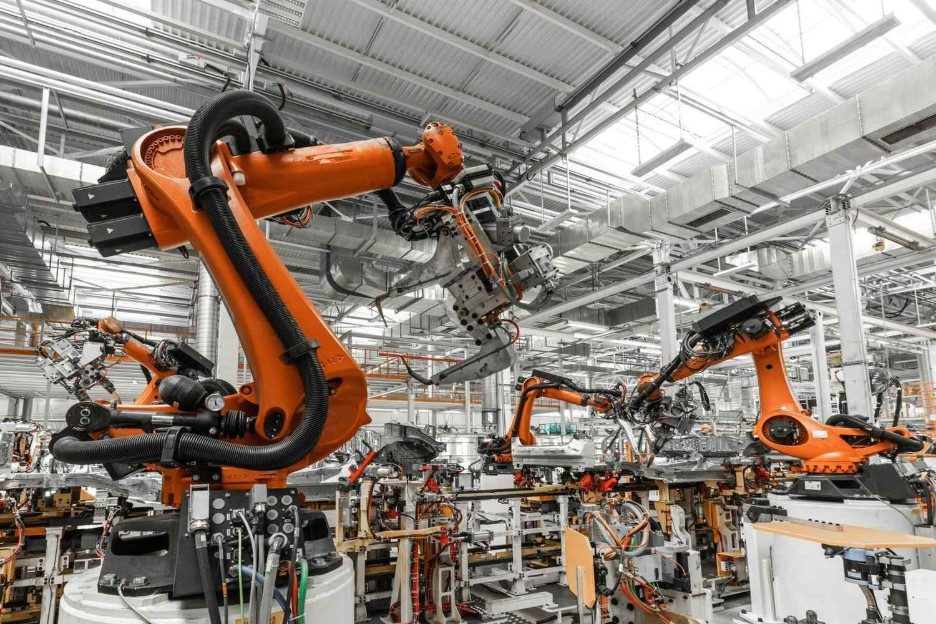
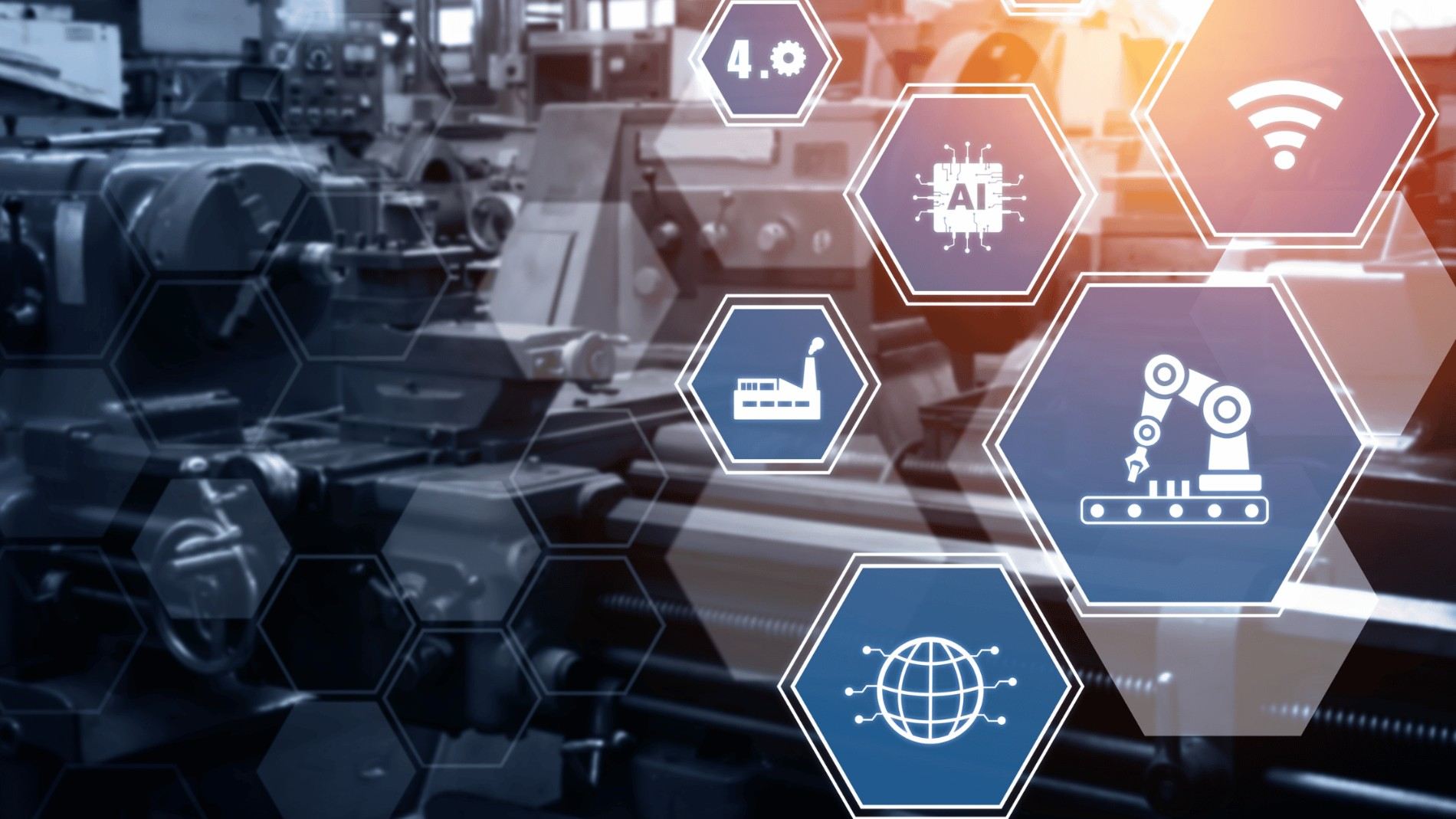
As manufacturing expanded, Industry 4.0 introduced a new operating model based on connected machines, sensors, cloud platforms, artificial intelligence and real-time production data.
Instead of waiting for equipment to fail, manufacturers could use predictive maintenance to identify warning signs. Automated inspection improved quality control, while digital twins allowed production systems and layouts to be tested virtually.
Yet the transition remains uneven. Large manufacturers may operate highly connected plants, while many smaller suppliers continue to depend on standalone machines and manual records.
This technology gap is important because a smart manufacturing ecosystem is only as strong as its supplier network. India’s Industry 4.0 transition therefore requires affordable technology, workforce training, cybersecurity and reliable industrial infrastructure.
For industrial planners and design consultants, this change makes flexibility essential. Structural grids, utility routes, logistics areas and expansion zones must support equipment and processes that may change several times during a factory’s operating life.
Industry 5.0 Changes The Purpose Of Technology
Industry 5.0 is sometimes understood as the next level of automation. In reality, it represents a broader change in industrial priorities.
The European Commission defines Industry 5.0 through three connected principles:
- Human-Centricity: Technology should support workers, improve safety and strengthen human skills.
- Sustainability: Production should reduce waste, emissions and resource consumption.
- Resilience: Industries should be able to adapt to supply-chain, climate and market disruptions.
Industry 5.0 does not replace Industry 4.0. It builds on digitalization while asking a more important question: What purpose should industrial technology serve?
Collaborative robots can assist workers with repetitive or physically demanding tasks. AI can support quality checks and operational decisions, while human judgement remains central to complex situations.
What Industry 5.0 Means For Factory Design
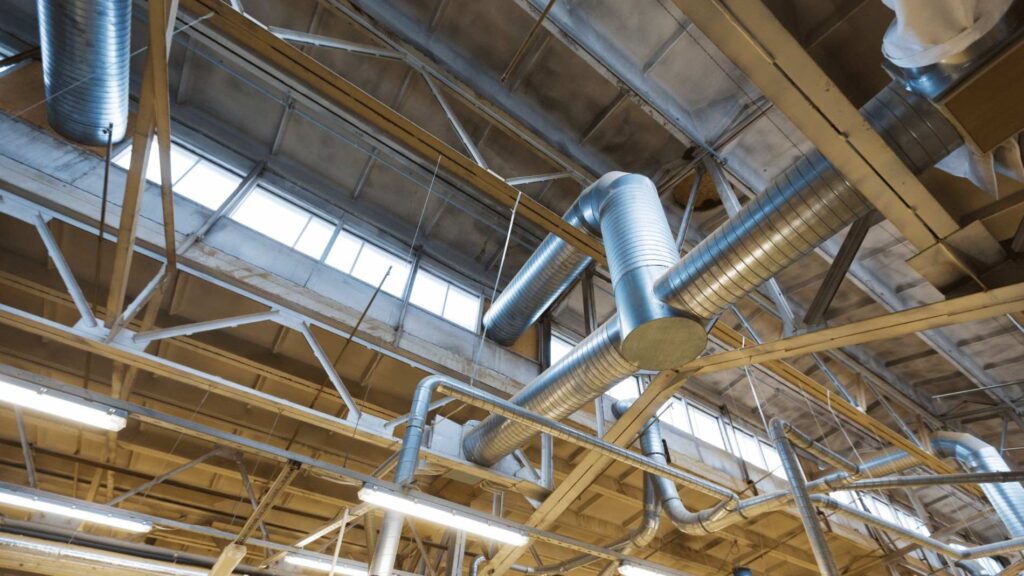
A human-centric factory requires more than advanced machinery. It must provide safe movement, thermal comfort, adequate daylight, ventilation, ergonomic workstations and inclusive worker facilities.
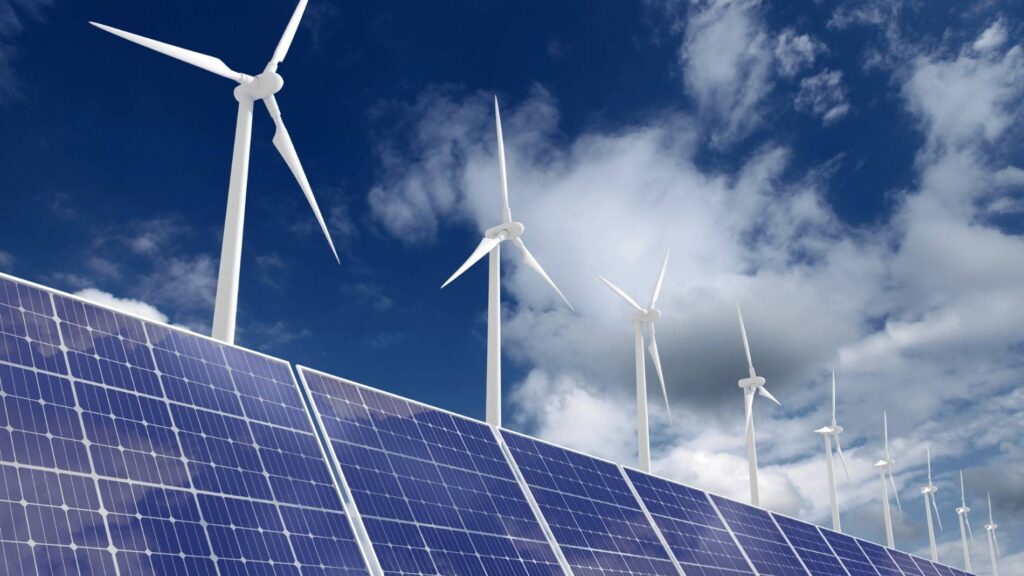
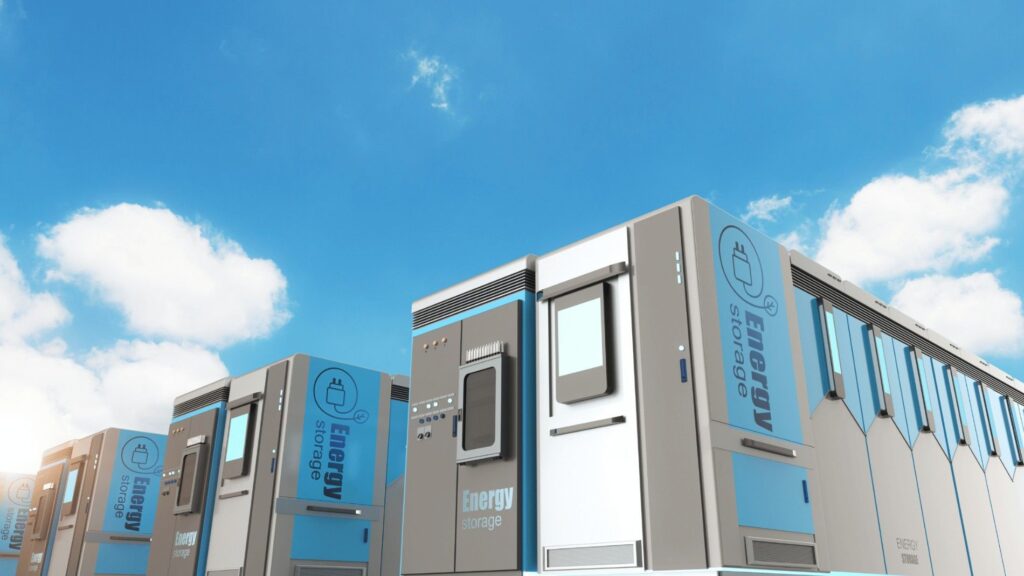
Similarly, sustainability must be integrated into the facility rather than added later. Renewable energy, water reuse, heat recovery, efficient building envelopes and real-time resource monitoring can reduce both environmental impact and operating costs.
Resilience also needs physical planning. Manufacturers may require flexible production lines, alternate utility arrangements, decentralized storage and space for phased expansion.
Final Thoughts
India’s manufacturing journey has progressed from building basic industrial capacity to developing digitally enabled and globally connected production systems.
The next phase will not be measured only by the number or size of factories. It will also depend on whether industries can generate skilled employment, use resources responsibly and remain adaptable over the long term.