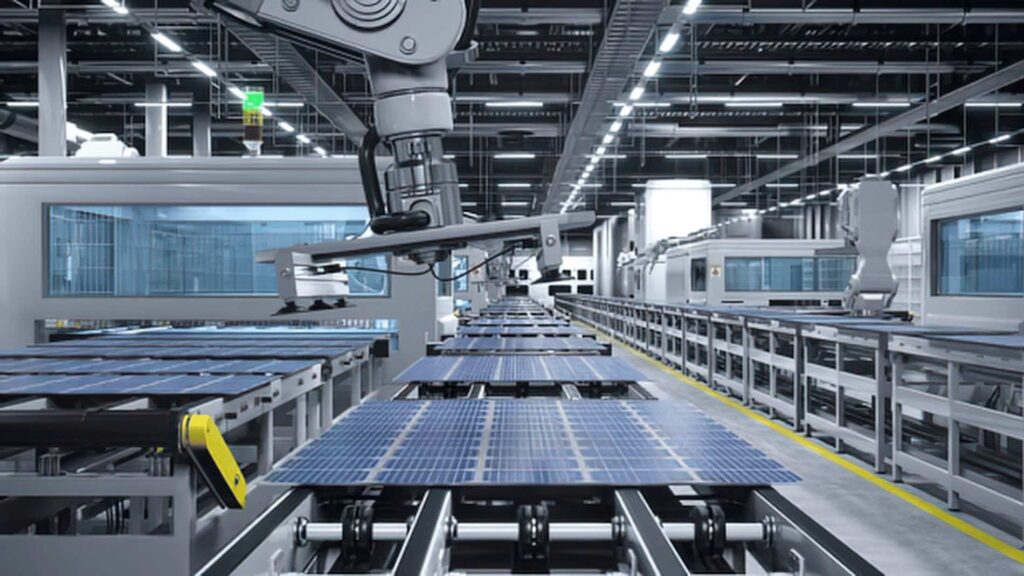

When people hear “GMP compliance,” they often think of documentation binders, quality checklists, and regulatory audits.
What gets far less attention is the role that the physical facility itself plays in determining whether a plant can ever be truly GMP-compliant. It is the first layer of compliance and if the architecture gets it wrong, no amount of process discipline can fully compensate.
What Is GMP, and Who Does It Apply To?
GMP stands for Good Manufacturing Practices. At its core, it is a set of principles that ensures products are consistently produced and controlled to the quality standards appropriate for their intended use.
In India, GMP requirements are governed by Schedule M of the Drugs and Cosmetics Act for pharmaceutical manufacturers, and are overseen by the Central Drugs Standard Control Organization (CDSCO).
GMP regulations exist in several variations like WHO-GMP, EU GMP, US cGMP, and Schedule M – each with specific rules for production facility layout, equipment qualification, staff training, documentation, and quality assurance systems.
While pharmaceuticals are the most regulated sector, GMP principles also apply to food processing, nutraceuticals, medical devices, and cosmetics manufacturing. Any facility where contamination can compromise product safety or efficacy is a candidate for GMP-guided design.
Why the Facility Layout Is a Compliance Decision
The layout and construction of manufacturing premises must minimize the risk of contamination, facilitate effective cleaning and maintenance, and prevent quality defects. If facility design leads to product adulteration, the FDA can issue citations and warning letters, potentially halting operations until compliance is restored.
That is the core principle: the building itself must actively support contamination control.
Pharmaceutical manufacturers in India frequently encounter inspection observations related to cross-contamination risks, inadequate segregation, improper HVAC zoning, poor material movement design, and insufficient personnel flow controls. These issues often originate during facility planning.
By the time a regulator flags these problems during an inspection, the cost of correction is far higher than it would have been at the design stage.
What Does a GMP-Compliant Facility Actually Look Like?
GMP design is not a single feature, it is a philosophy embedded across the entire facility. Here are the core elements:
Unidirectional Flow of People and Materials
A GMP facility separates the movement of raw materials, in-process goods, finished products, and waste so that clean and contaminated streams never cross. People, raw materials, and equipment should move from less clean to more clean zones, with no crossover between personnel and material movement to maintain contamination control.
This sounds simple on paper, but achieving it requires careful layout planning from the earliest design stage.
Controlled Zoning and Air Pressure Differentials
Different manufacturing zones are classified by their cleanliness requirements from general production areas to cleanrooms. Higher pressure in cleaner zones pushes air into less clean areas, ensuring that contaminants are kept at bay. Typical differential pressure between adjacent cleanroom grades is 10–15 Pa.
Air changes per hour, differential pressures, and supply and return system layouts must be reviewed to assess HVAC efficiency and compliance with GMP standards.
Surface Finishes and Material Selection
Every surface inside a GMP facility needs to be cleanable, durable, and non-shedding. Walls, ceilings, and floors must be monolithic, non-shedding, and durable against repeated chemical exposure.
Rounded covings between walls and floors facilitate thorough cleaning and prevent particle accumulation in corners.
Epoxy flooring, coated wall panels, and flush-mounted fixtures are all standard elements of a properly designed GMP interior.
Dedicated Gowning and Airlock Areas
GMP facilities require dedicated gowning areas where personnel change into clean-room attire before entering production zones, with airlocks that maintain pressure differentials between zones.
Schedule M Has Raised the Bar in India
India’s regulatory landscape for GMP has changed significantly in the last two years. On December 28, 2023, the government notified the Drugs (Amendment) Rules, 2023, introducing substantially revised GMP requirements that align India’s pharmaceutical manufacturing standards with international benchmarks established by WHO-GMP and the Pharmaceutical Inspection Co-operation Scheme (PIC/S).
Large pharmaceutical manufacturers with annual turnover exceeding ₹250 crores were mandated to comply by June 2024. CDSCO has since directed state drug controllers to conduct mandatory inspections at all pharmaceutical factories from January 1, 2026, and has issued stop-production orders to more than 36% of units found critically non-compliant.
This is not a distant regulatory exercise. For any pharma manufacturer planning a greenfield facility or upgrade today, revised Schedule M compliance needs to be embedded in the design brief from day one.
When GMP Design Goes Beyond Pharma
Food processing facilities operating under FSSAI guidelines, nutraceutical manufacturers, and medical device plants increasingly need to meet GMP-aligned standards even when specific regulatory mandates do not yet apply.
The logic is straightforward: if your buyers require audit-ready documentation and contamination control evidence, your facility needs to reflect GMP principles. It is also a competitive differentiator in export markets.
VMS has worked with clients across pharmaceuticals, food processing, and specialty manufacturing to design facilities that meet GMP requirements while optimising production flow and lifecycle cost.
GMP Compliance Cannot Be Retrofitted Easily
This is perhaps the most important point.
Unlike equipment, which can be replaced or upgraded, a poorly designed facility layout is expensive to fix after construction. Structural walls, HVAC ducting, drainage slopes, and floor levels cannot be altered without significant downtime and cost.
Getting GMP design right at the architecture and engineering stage is therefore not just about regulatory compliance. It is a long-term investment in operational continuity, product quality, and the facility’s ability to scale.
Conclusion
GMP compliance begins at the drawing board, not at the production line. Every decision contributes to whether a facility can consistently meet regulatory standards year after year.
VMS brings deep expertise in designing GMP-ready industrial and pharmaceutical facilities across India. If you are planning a new facility or assessing an existing one for compliance upgrades, connect with our team to ensure your design is built for the standards that matter.