India’s electric mobility industry is growing at a remarkable pace. The country is witnessing a wave of new EV and battery manufacturing projects as a result of government initiatives, increased private investments, and the growing demand for sustainable transportation.
Batteries and production capacity play a major role in the success of these facilities, but that success begins with the planning and design. Unlike conventional factories, EV and battery plants demand carefully integrated architectural, engineering, utility, and safety solutions.
Overview of India’s Battery Manufacturing Industry
India has announced multiple giga-scale investments in lithium-ion cell manufacturing, battery pack assembly, and electric vehicle production over the past few years.
Government programs such as the Production Linked Incentive (PLI) Scheme for Advanced Chemistry Cells and the National Electric Mobility Mission have accelerated domestic manufacturing.
With battery manufacturing becoming more localized, industrial developers are concentrating on creating specialized manufacturing environments that meet stringent process requirements.
Why Battery Manufacturing Facilities Are Different
Battery manufacturing combines chemical processes, precision engineering, automation, and environmental control within a single facility.
Unlike traditional manufacturing plants, several production stages require strict control over temperature, humidity, airborne particles, and contamination. Even minor environmental variations can affect product quality and manufacturing efficiency.
This makes building design an integral part of the production process rather than simply a structure that houses equipment.
Planning Starts With The Manufacturing Process
The most successful industrial facilities are planned around production flow rather than building shape.

Every stage from raw material storage and electrode preparation to cell assembly, formation, ageing, testing, packaging, and dispatch has different space requirements and utility demands.
Designing the building around these workflows helps reduce unnecessary material movement, improves operational efficiency, and supports future automation.
Environmental Control Consideration
A key characteristic of battery manufacturing is controlled environments.
Dry Rooms
Several battery manufacturing processes require extremely low humidity conditions to prevent lithium compounds from reacting with moisture.
Dry rooms therefore become one of the most technically demanding spaces within the facility. These rooms require specialized HVAC systems, airtight construction, insulation, and continuous monitoring to maintain stable operating conditions.
Temperature And Air Quality
Maintaining consistent temperatures is equally important.
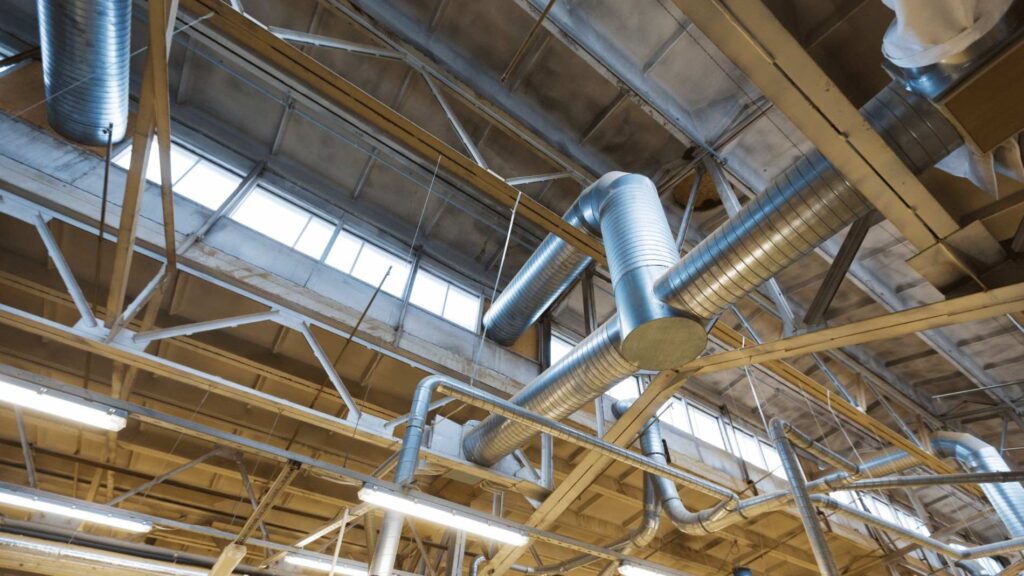
Sensitive production equipment performs better within controlled environmental conditions, while proper ventilation systems help manage heat generated by machinery and process operations.
Air filtration systems also play an important role in reducing contamination and protecting product quality.
Planning & Design Consideration

Utility Planning
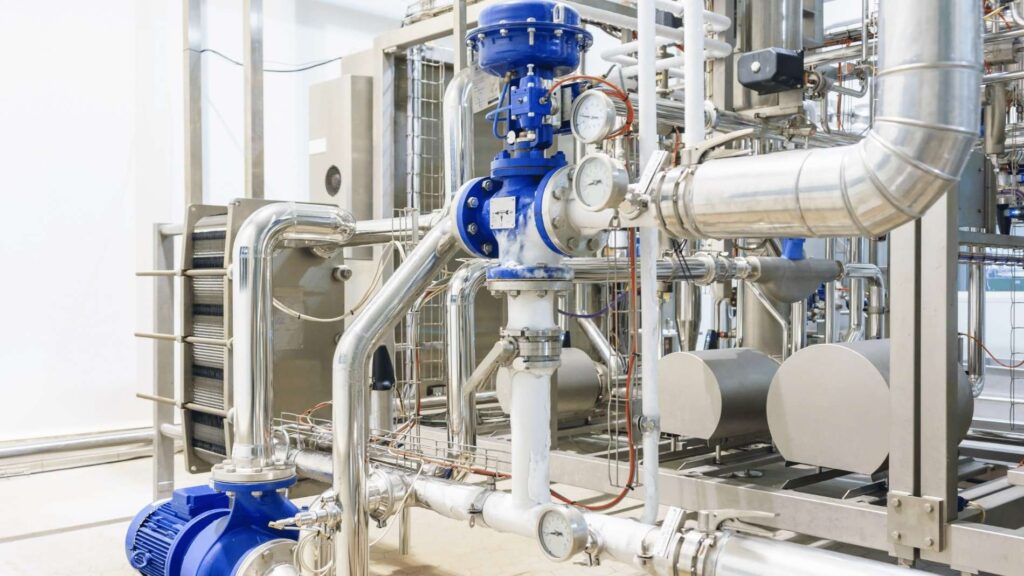
Battery plants consume significant amounts of electricity, compressed air, cooling water, process gases, and purified water.
These utilities should be planned during the early design stage rather than accommodated later.
Electrical infrastructure must also consider future capacity expansion, equipment upgrades, and increasing automation requirements. Oversized utility corridors and accessible service routes can significantly simplify future modifications.
At VMS, utility coordination is considered alongside architectural and structural planning to reduce design conflicts and improve long-term operational efficiency.
Fire And Safety Requirements
Battery manufacturing introduces unique fire safety considerations due to the nature of raw materials and manufacturing processes.
Facilities require carefully designed fire detection systems, suppression systems, emergency ventilation, hazardous material storage, evacuation planning, and clearly defined safety zones.
International standards and Indian regulations continue to evolve as battery manufacturing grows, making early safety integration increasingly important during project planning.
Material Movement and Factory Layout
An efficient layout reduces travel distance, improves productivity, and minimizes operational risks.
Battery manufacturing facilities often involve movement of sensitive materials between different process stages using conveyors, Automated Guided Vehicles (AGVs), forklifts, or automated storage systems.
Planning sufficient aisle widths, loading areas, equipment clearances, and future expansion corridors helps maintain smooth plant operations throughout the facility’s lifecycle.
Automation Systems
Modern battery plants are becoming increasingly automated.
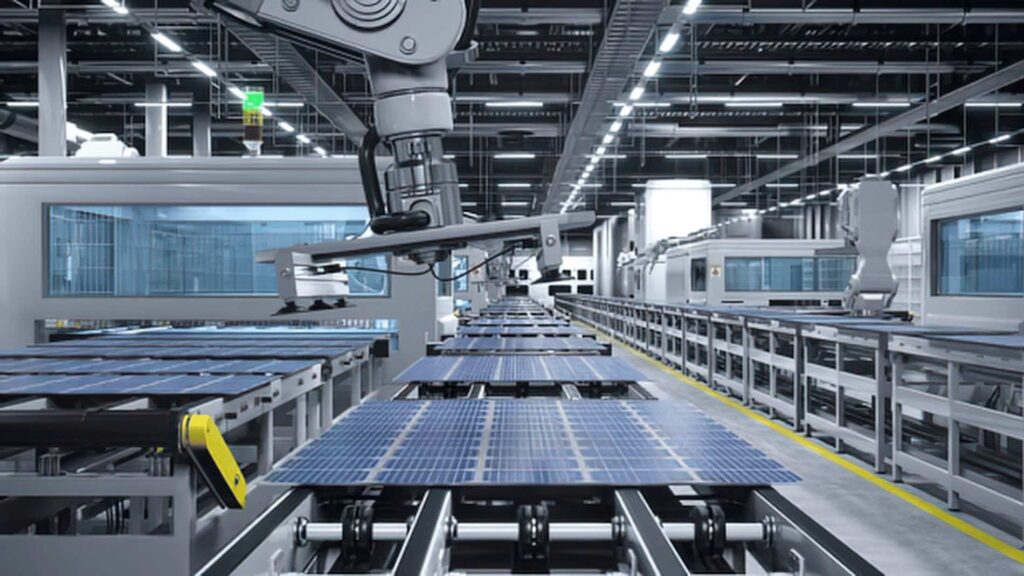
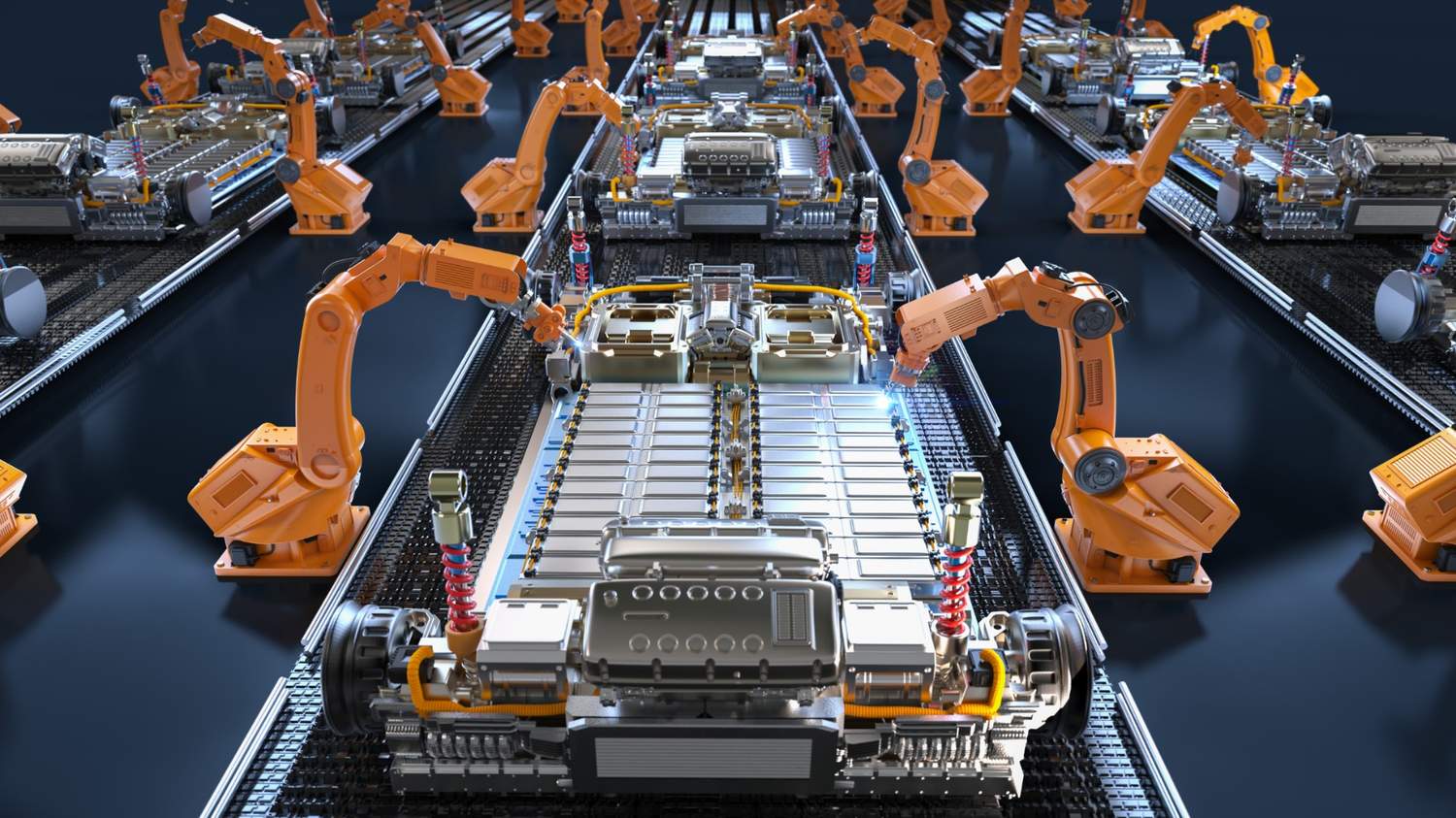
Robotic handling systems, automated inspection equipment, digital production monitoring, and smart warehouse systems are now common in new facilities.
This requires higher floor load capacities, larger equipment zones, organized cable management, stronger electrical infrastructure, and provisions for future technology upgrades.
Planning For Tomorrow’s Technology
The battery technology continues to develop at a rapid pace.
Battery manufacturing supports the transition towards cleaner transportation, but the facilities themselves are also expected to operate sustainably.
Many new projects are incorporating rooftop solar systems, energy-efficient HVAC equipment, rainwater harvesting, wastewater recycling, daylight optimization, and Building Management Systems (BMS) to improve operational efficiency.
New chemistries such as sodium-ion and solid-state batteries are progressing towards commercial adoption, while manufacturing processes continue to become more automated and efficient.
Facilities designed with flexibility are better positioned to accommodate these changes without extensive reconstruction.
Final Thoughts
An EV or battery manufacturing facility is far more than a production building. It is an integrated system where architecture, structural engineering, utilities, environmental control, safety, automation, and process planning work together.
The most successful projects begin with a clear understanding of manufacturing requirements rather than construction alone.
Planning decisions should be aligned with long-term production goals in order to support technology upgrades, operational efficiency, and a growth in business for years to come.