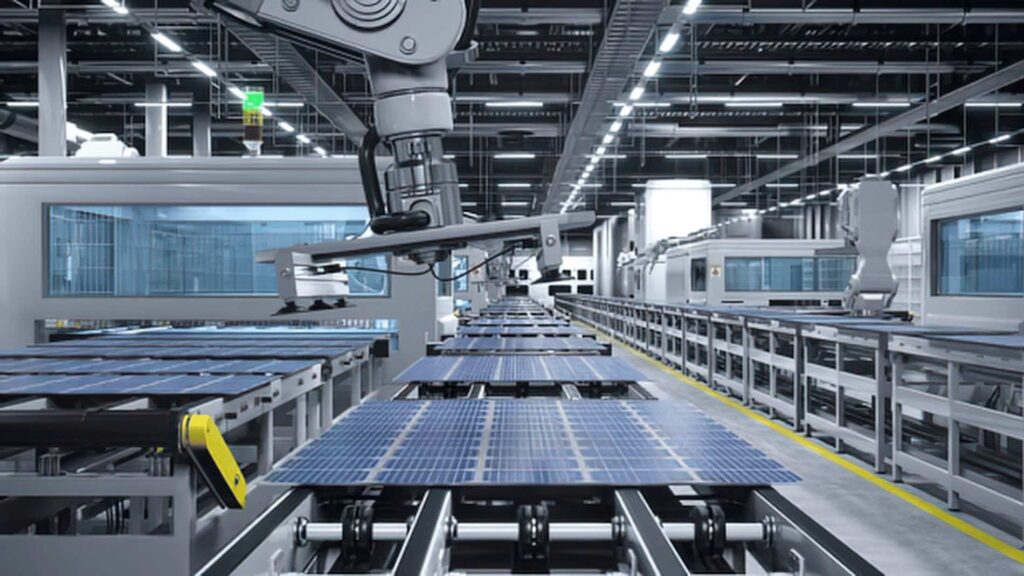
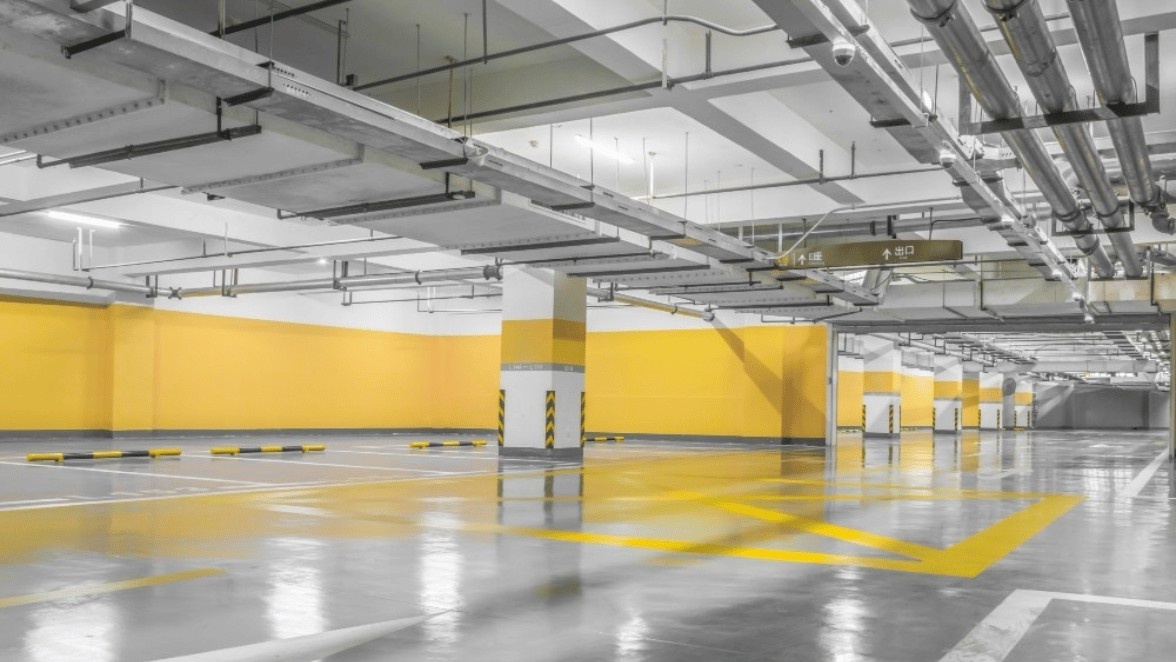
The floor in an industrial facility does far more than provide a surface to walk on. It absorbs forklift loads, resists chemical spills, defines safety zones, and takes a beating every single day.
With India’s industrial flooring market valued at USD 341.6 million in 2024 and projected to grow at nearly 10% CAGR through 2033, the stakes are only going up. More facilities, more complexity, and increasingly demanding operational requirements mean that the flooring decision deserves serious thought upfront.
Importance of Flooring Choices
A wrong flooring choice does not just look bad. It creates safety hazards, accelerates maintenance costs, and can interrupt production cycles when repairs become unavoidable.
Making an informed choice when selecting appropriate industrial flooring will make all the difference between achieving a durable, fit-for-purpose surface and ending up with flooring that needs replacing in just a few years.
The right floor, on the other hand, works quietly in the background.
What Makes Industrial Flooring Different?
Industrial floors face a combination of stresses that commercial or residential flooring simply does not. They are exposed to traffic, load stress, chemicals, grease, and other site conditions that affect surface quality and, in turn, the working environment.
This means you cannot select a floor based on appearance alone. You need to understand load capacity, chemical resistance, moisture behavior, and ease of maintenance before a single square metre is laid.
The Main Types of Industrial Flooring
Epoxy Flooring
Epoxy is the dominant choice across Indian manufacturing sectors. Epoxy flooring forms a strong, seamless, and highly durable surface that can handle continuous industrial activity.
Whether it’s forklifts, heavy machinery, or constant foot traffic, epoxy resists impact and abrasion far better than traditional concrete or tiles.
It also supports hygiene-critical environments. Epoxy eliminates joints, seams, and cracks where dust, bacteria, and moisture can accumulate.
Epoxy coatings in India typically range from 0.5 mm to 5 mm in thickness, making them adaptable to light commercial areas as well as heavy-duty factory floors.
Polyurethane (PU) Flooring
PU flooring is often confused with epoxy, but it performs differently. It handles thermal shock better, making it the preferred choice for cold storage units, food processing plants, and facilities where floors expand and contract with temperature changes.
It also offers better elasticity, which helps it absorb impact without cracking under repeated mechanical stress. Where epoxy is rigid and strong, polyurethane adds resilience.
Polished Concrete
Polished concrete is one of the most durable flooring options, capable of withstanding heavy industrial equipment and high foot traffic. Additionally, it offers a modern aesthetic with its glossy finish.
It is also one of the most cost-effective over the long term. Once polished and sealed, concrete requires minimal maintenance and holds up well in warehouses, logistics hubs, and automobile plants.
Hardener / Vacuum Dewatered Flooring
In India, vacuum dewatered (VDF) flooring is widely used in large-span facilities like warehouses and logistics parks. The process removes excess water from freshly laid concrete, producing a denser and harder surface with better abrasion resistance.
Surface hardeners are then applied to enhance durability further. This remains a popular baseline solution for facilities that need a large, flat surface at relatively lower cost.
Antistatic and ESD Flooring
Electronics manufacturing, defence facilities, and cleanrooms require flooring that dissipates static electricity. Electrostatic discharge (ESD) floors prevent component damage and operator hazards, and are a non-negotiable in semiconductor and precision electronics environments.
4 Factors to Consider for Flooring Selection
Nature of Operations and Traffic
Areas with frequent employee movement need slip-resistant surfaces for safety. Warehouses require flooring that can withstand forklifts, trucks, and heavy machinery.
Facilities with heavy equipment like CNC machines or presses need flooring that won’t crack under sustained pressure.
Chemical and Moisture Exposure
A pharmaceutical plant and an automobile facility face entirely different chemical environments. Solvent resistance, acid resistance, and oil-repellence are properties that need to be specified based on what will actually spill on the floor.
Hygiene and Compliance Requirements
Food processing, pharmaceuticals, and healthcare-adjacent manufacturing must comply with Good Manufacturing Practice (GMP) standards in India. Seamless, non-porous surfaces are regulatory requirements.
This is where choosing the right flooring specification during the design stage matters most. Getting the specification wrong can delay facility commissioning and invite regulatory scrutiny.
At VMS Consultants, our industrial architecture team factors flooring specifications into the facility design process early to ensure that the right system is selected for the right operational environment, the first time.
Maintenance and Lifecycle Cost
A cheaper floor today can mean higher maintenance spending over a 10–15 year horizon. Epoxy and PU floors, when properly installed, can significantly reduce cleaning time and repair frequency compared to plain concrete or tiled surfaces.
Industry-Wise Quick Reference
Different sectors in India have distinct flooring preferences based on their operating conditions:
Pharmaceuticals and Food Processing: Epoxy or PU seamless flooring with coved skirting, GMP-compliant finish.
Automotive and Heavy Engineering: Polished concrete or heavy-duty epoxy, often with VDF base.
Warehousing and Logistics: VDF with hardener topping, high flatness tolerance for racking systems and automated guided vehicles (AGVs).
Electronics and Precision Manufacturing: ESD or antistatic epoxy flooring.
Cold Storage: Polyurethane concrete for thermal shock resistance.
Common Mistakes in Industrial Flooring Selection
Specifying flooring without knowing the exact chemical exposure in that zone is one of the most frequent errors. Another is selecting the same flooring system across an entire facility when different zones have different requirements.
Skipping proper surface preparation before application is also a critical failure point. Even the best flooring system underperforms if laid on a weak or contaminated substrate.
Consulting with professional designers and installers gives you valuable insights into the performance of the many different options available for manufacturing facilities.
Build Smarter Floors for Your Facility
Industrial flooring is not a commodity purchase. It is a design decision with long-term implications for safety, compliance, productivity, and cost.
Take time to map your facility’s operational requirements to the right flooring system.
VMS brings over 60 years of industrial architecture and engineering expertise to help manufacturers across sectors design facilities that work from the ground up (literally). If you are planning a new facility or upgrading an existing one, reach out to our team to get the flooring specification right from day one.