
Short-Term Savings vs Long-Term Efficiency in Factory Planning
Factory planning decisions are often shaped by one key question: How can we reduce upfront cost?
While controlling capital expenditure is important, many industrial projects in India face a recurring challenge: short-term savings tend to increase long-term operational costs, inefficiencies, and constraints.
The real balance in factory planning lies between initial cost optimisation and long-term operational efficiency. Getting this balance right determines how well a facility performs not just in the first year, but over decades.
This article explores where this trade-off appears in factory planning, and how to approach it more strategically.
Why Short-Term Cost Decisions Dominate Planning
Industrial projects operate under tight budgets, timelines, and approval pressures.
In many cases:
- Land and construction costs are prioritised over lifecycle considerations
- Procurement decisions favour lower upfront pricing
- Value is assessed based on immediate savings rather than long-term returns
This approach is understandable, especially when capital allocation is constrained. However, it often leads to design compromises that are difficult and expensive to correct later.
Where the Trade-off Typically Shows Up
The conflict between short-term savings and long-term efficiency appears across multiple aspects of factory planning.
Built-up Area and Layout
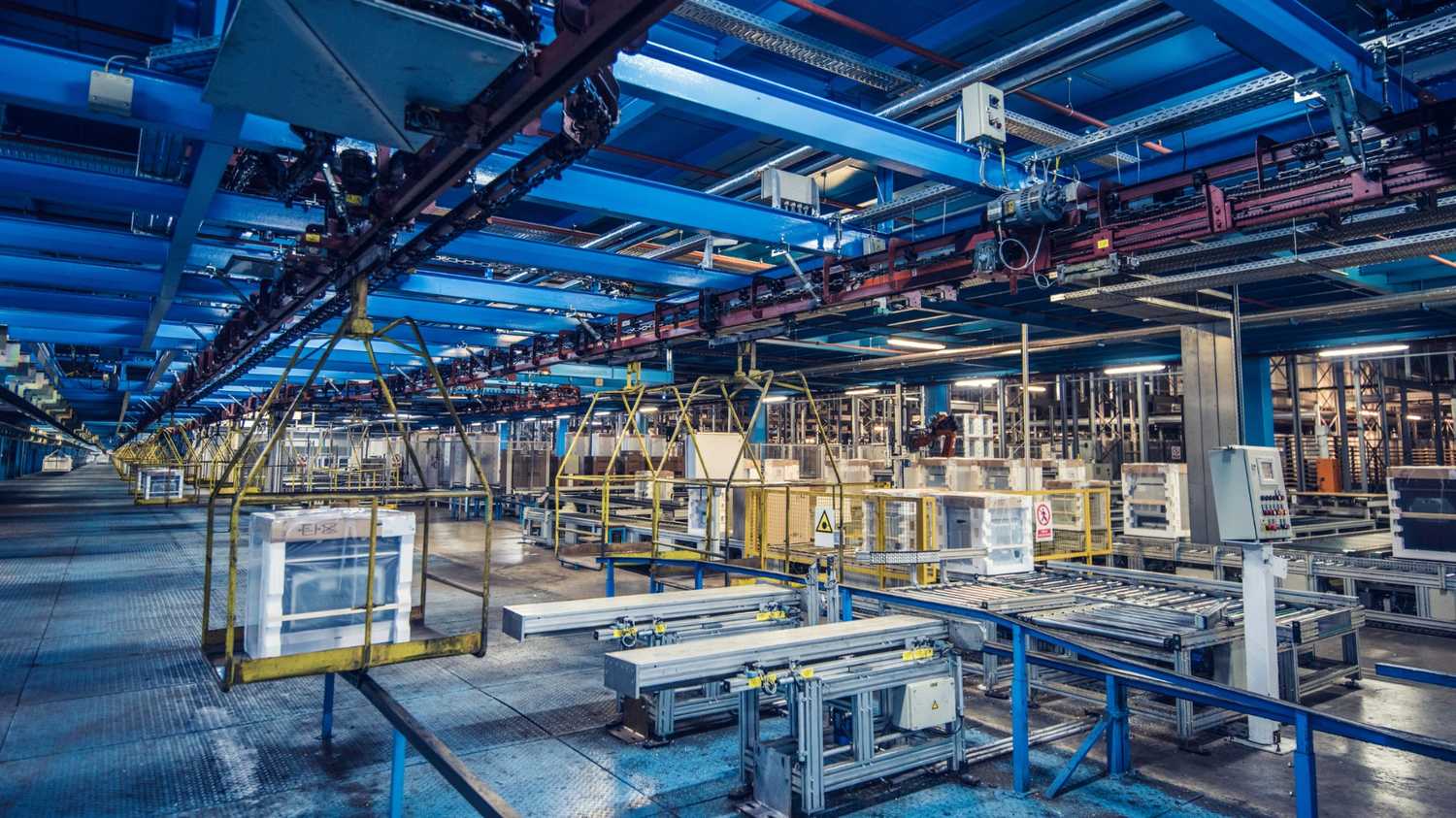
Reducing built-up area may save initial cost, but cramped layouts increase material movement, reduce productivity, and limit future expansion.
Structural Design
Using minimum structural provisions may reduce cost, but restrict equipment upgrades, additional floors, or load changes later.
Utility Systems
Undersized electrical, HVAC, or compressed air systems reduce upfront investment but lead to inefficiencies, frequent breakdowns, and higher energy consumption.
Material Selection
Choosing lower-cost materials may reduce construction cost but increase maintenance frequency and lifecycle expense.
These decisions may appear minor individually but collectively shape long-term factory performance.
The Hidden Cost of “Saving Now”
Short-term savings often create costs that are not immediately visible.
These include:
- Higher energy consumption
- Increased maintenance and repair expenses
- Production inefficiencies and delays
- Limited scalability and expansion challenges
For example, a poorly planned layout may increase internal logistics time by a few minutes per cycle. Over thousands of cycles, this translates into significant productivity loss.
Similarly, inefficient utility systems increase operational costs year after year, often exceeding the initial savings.
Lifecycle Thinking: A More Balanced Approach
Effective factory planning shifts focus from capital cost to lifecycle cost.
Lifecycle thinking considers:
- Initial construction cost
- Operating expenses over time
- Maintenance and replacement costs
- Energy efficiency and resource usage
According to the Bureau of Energy Efficiency, lifecycle-based planning in industrial facilities can reduce total cost of ownership significantly, even if initial investment is slightly higher.
This approach ensures that decisions are evaluated not just for today, but for the full life of the facility.
Designing for Efficiency Without Overinvestment
Balancing cost and efficiency does not mean overspending. It means making informed, targeted investments.
Examples include:
- Optimising layout to reduce movement without increasing area unnecessarily
- Selecting energy-efficient equipment where payback is clear
- Designing utilities with provision for future expansion
- Using materials that balance durability and cost
The goal is to invest where it delivers measurable long-term value, not to increase cost across the board.
Real-World Impact on Factory Operations
Factories designed with a short-term cost mindset often experience:
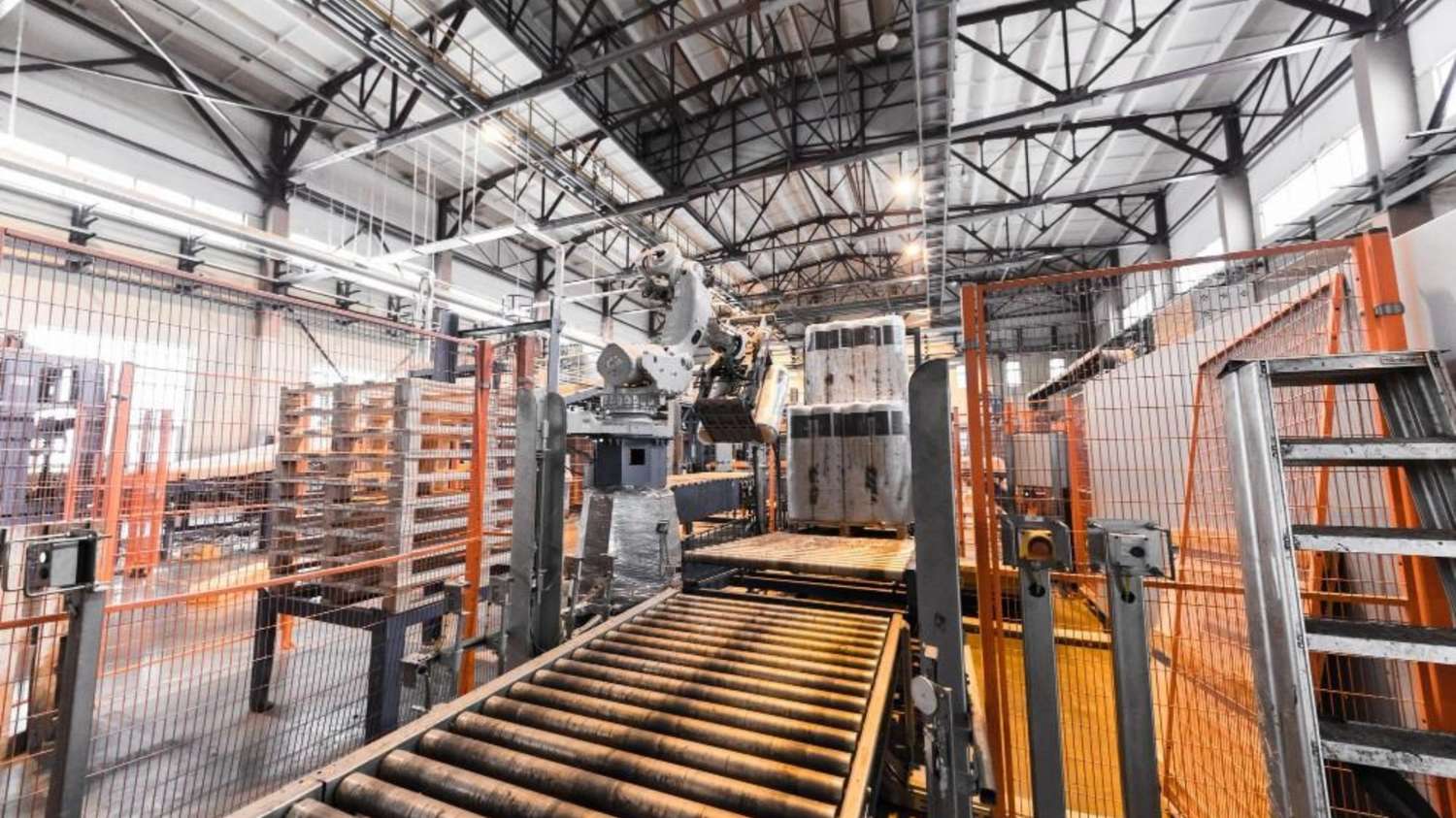
- Congested production areas
- Frequent utility upgrades and modifications
- Difficulty in scaling operations
- Higher operating costs than expected
In contrast, facilities planned with long-term efficiency in mind tend to:
- Operate more smoothly with fewer disruptions
- Adapt better to product and capacity changes
- Maintain lower operating and maintenance costs
- Deliver better returns over time
These differences become more visible as the plant matures.
Decision-Making Framework for Factory Owners
To balance short-term and long-term priorities, factory owners can adopt a simple approach:
- Identify critical systems where efficiency impacts operations significantly
- Evaluate payback periods for higher upfront investments
- Prioritise flexibility and scalability in design decisions
- Avoid irreversible compromises that limit future upgrades
This framework helps distinguish between areas where cost-saving is acceptable and areas where it creates long-term risk.
Invest With a Long-Term Perspective
Short-term savings may reduce initial cost, but long-term efficiency determines operational success. The best projects strike a balance between cost optimization and future performance.
If you are planning a new facility or evaluating design decisions, considering lifecycle impact alongside capital cost can significantly improve outcomes.
VMS Consultants works with industrial clients to integrate planning, engineering, and project management, helping balance short-term cost decisions with long-term efficiency for sustainable factory performance.