
What is Lights-Out Manufacturing & How to Design for It?
Manufacturing is steadily moving toward higher automation, but one concept stands out for its ambition and impact is lights-out manufacturing.
The idea is simple: a factory that can operate without human presence for extended periods. Machines, robotics, and control systems take over production, monitoring, and even quality checks. In some cases, these systems run overnight or continuously with minimal human intervention.
For Indian manufacturers dealing with labour variability, increasing quality expectations, and cost pressures, this approach is becoming more relevant.
However, to achieve it, factories must change how they are planned and designed.
What Exactly is Lights-out Manufacturing?
Lights-out manufacturing refers to production environments where operations can run autonomously without human supervision.
The term “lights-out” comes from the idea that if no people are present, lighting and human-centric systems are not required. Lighting is just part of the concept – it refers to fully automated, self-regulating production systems.
Such facilities rely on:
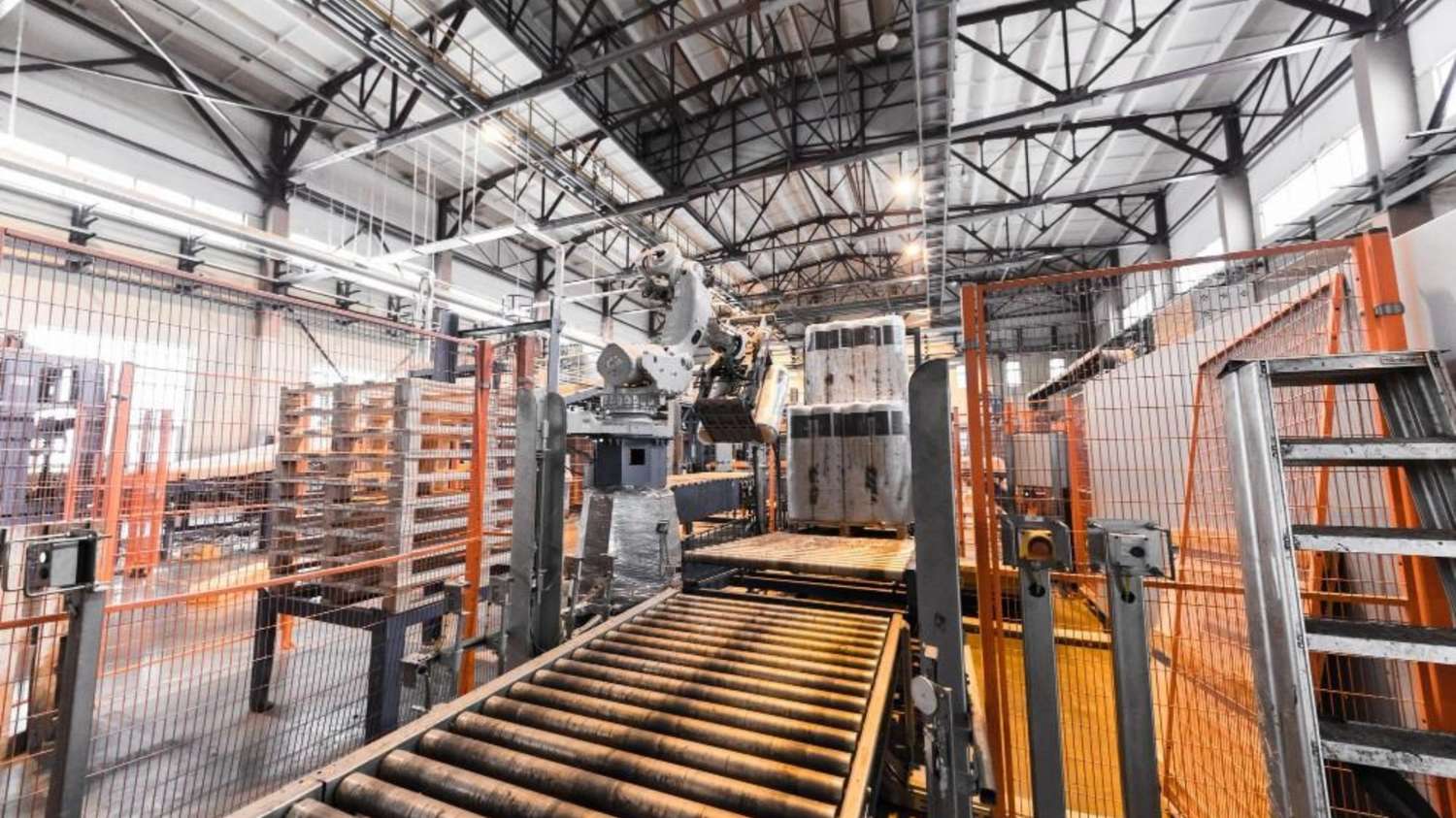
- Robotics and automated machinery
- Sensors and real-time monitoring
- Advanced control systems and software
- Integrated material handling systems
While fully lights-out factories are still evolving in India, many plants are already adopting partial automation that moves in this direction.
Why Are Manufacturers Moving Toward This Model?
Factories today need consistent quality, predictable output, and reduced dependency on manual processes. Human error, fatigue, and variability often impact production, especially in repetitive or precision-driven operations.
Automation addresses these challenges by ensuring uniformity and enabling continuous operations beyond standard working hours. It also improves safety by reducing human exposure to hazardous environments.
In sectors like automotive components and electronics, even partial adoption of lights-out operations has already shown measurable efficiency gains.
Is Full Lights-Out Manufacturing Practical in India Today?
In the Indian context, fully unmanned factories are still evolving. However, many facilities are already moving toward hybrid models.
It is common to see automated lines operating with minimal supervision during night shifts, while human intervention is retained for setup, monitoring, and maintenance during the day. This phased adoption allows manufacturers to balance cost, reliability, and operational control.
As automation technologies become more accessible, this transition is expected to accelerate. The International Federation of Robotics has noted steady growth in industrial robot adoption across emerging manufacturing economies, including India.
Designing Factories for Lights-Out Operations
Designing for lights-out manufacturing requires rethinking the fundamentals of factory planning.
The first and most critical requirement is process stability. Automation works best when inputs, conditions, and outputs are predictable. Variations that may be manageable in manual systems can disrupt automated operations.
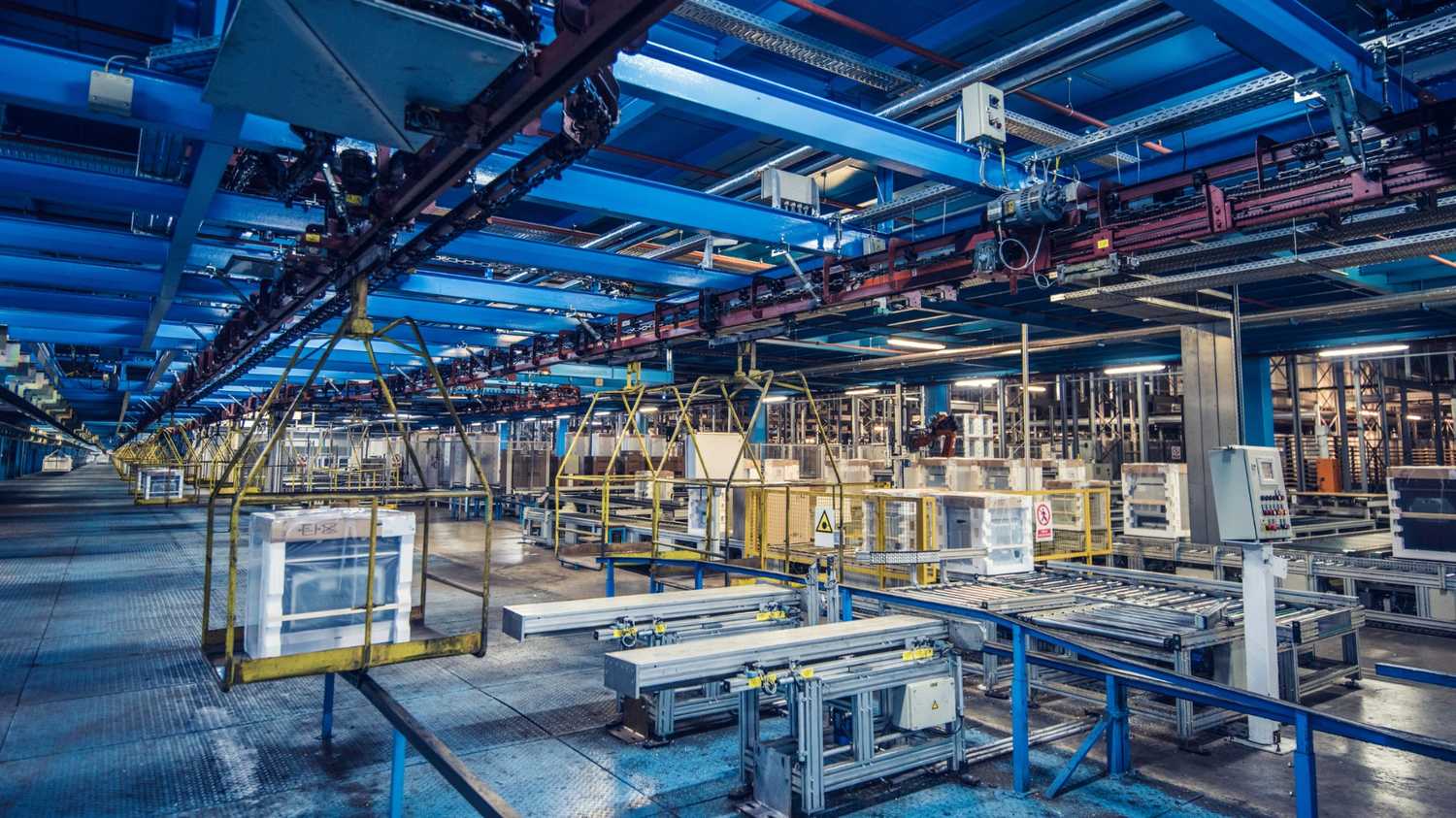
Layout planning also shifts significantly. Instead of designing for human movement, layouts are optimised for machine flow. Linear or cell-based arrangements reduce complexity and improve coordination between automated systems.
Material handling becomes a central part of design. Automated guided vehicles, conveyors, or robotic systems must move materials seamlessly between stages without delays or bottlenecks.
Challenges in Implementation
Despite its benefits, lights-out manufacturing comes with its own set of challenges.
The initial investment in automation can be high, and integrating multiple systems requires careful coordination. Skill requirements also shift—from manual operations to technical and system management capabilities.
Additionally, automated systems are sensitive to input quality. Variations in raw materials or upstream processes can affect performance.
These challenges make it important to adopt a phased and well-planned approach rather than aiming for full automation immediately.
Final Thoughts
Lights-out manufacturing is not an all-or-nothing concept. It is a direction that manufacturing is steadily moving toward.
Factories that are designed with automation in mind—stable processes, efficient layouts, reliable utilities, and integrated systems—are better positioned to adopt higher levels of automation over time.
If you are planning a new facility or upgrading an existing one, preparing for automation at the design stage can create long-term advantages in efficiency and scalability.
VMS Consultants supports industrial clients with integrated planning, engineering, and project management, helping design factories that are automation-ready, efficient, and future-focused.