
Understanding Energy Use in Indian Manufacturing
Energy is one of the largest operating costs for Indian manufacturing plants. Yet, many factory owners and project teams still rely on rough estimates rather than a clear understanding of where and how energy is actually consumed.
With rising power tariffs, tighter environmental norms, and increasing pressure to improve margins, knowing the average energy consumption pattern in Indian manufacturing plants is no longer optional. It is a strategic input for planning, design, and long-term competitiveness.
This article breaks down typical energy usage patterns across Indian factories, explains why they vary, and highlights what decision-makers should realistically plan for.
Why does energy consumption vary so widely across factories?
There is no single “standard” energy profile for Indian manufacturing. Consumption depends heavily on industry type, process intensity, plant layout, and technology choices.
Broadly, energy use in factories is influenced by:
- Nature of the manufacturing process (continuous vs batch)
- Level of automation and mechanisation
- Age and efficiency of equipment
- Climate zone and operating hours
- Quality of design and utilities planning
Two factories with the same built-up area can have completely different energy bills if their processes and design philosophies differ.
Typical energy mix in Indian manufacturing plants
Indian factories rely on a combination of electricity and thermal energy.
Electricity usually accounts for 60–70% of total energy use in light to medium manufacturing, and slightly lower in heavy process industries.
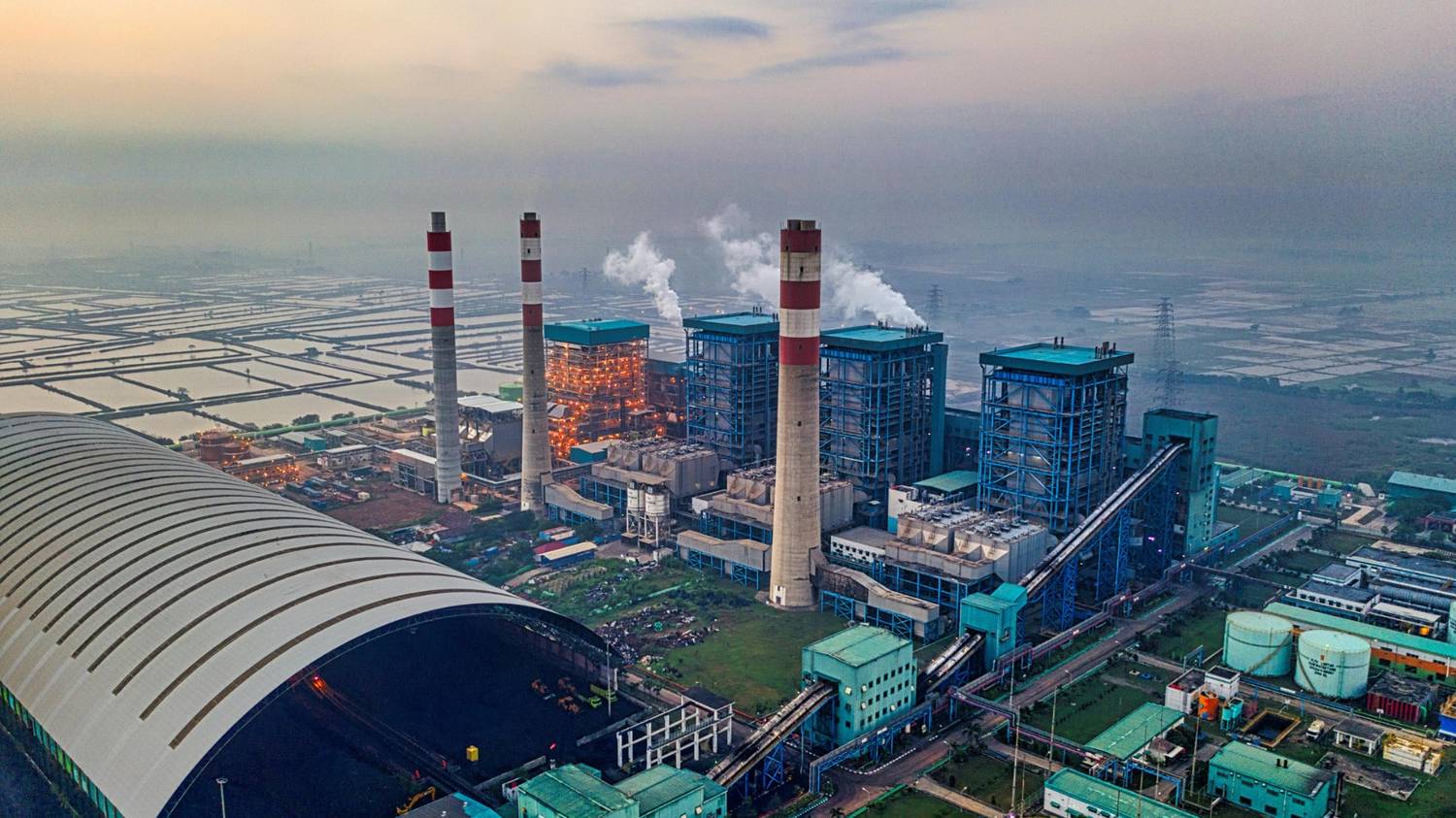
Thermal energy, generated through boilers or furnaces using coal, gas, or oil, dominates in sectors such as cement, chemicals, food processing, and textiles.
Diesel generators are still widely used as backup, especially in regions with unreliable grid supply, adding to both cost and emissions.
Where does the energy actually go inside a factory?
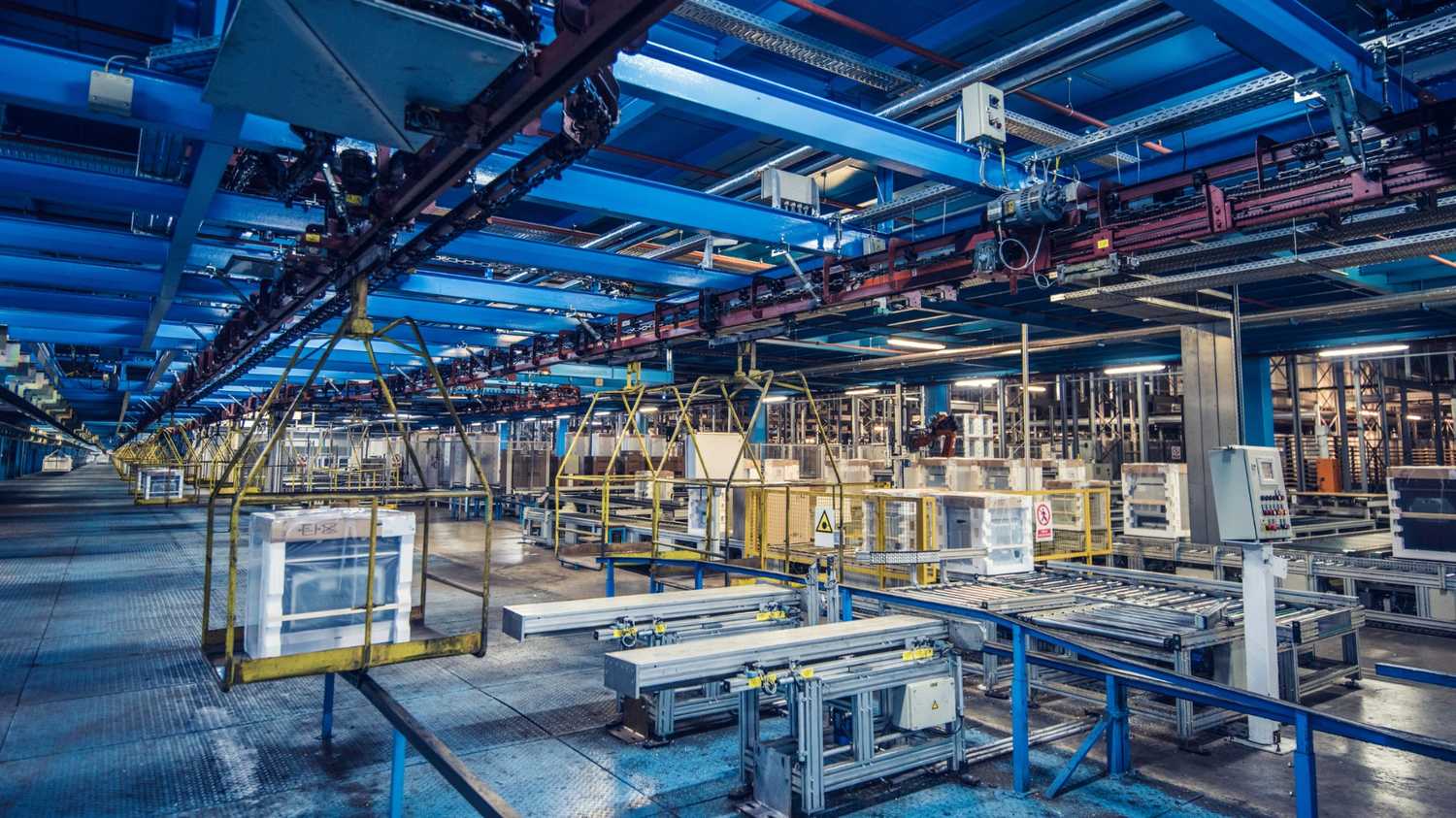
Across most Indian manufacturing plants, energy consumption follows a predictable internal pattern.
Motors and drives
Electric motors powering production equipment typically consume 40–60% of total electricity. Inefficient motor sizing and poor load matching remain common issues.
Compressed air systems
Often called the “most expensive utility,” compressed air can account for 8–12% of electricity use. Leakage losses in older plants can exceed 20%.
Heating, ventilation, and cooling
HVAC loads vary widely by industry. Clean manufacturing, electronics, pharmaceuticals, and food processing see significantly higher HVAC energy demand.
Lighting and auxiliary loads
Lighting usually contributes 5–8%, but poor daylight integration and outdated fixtures still inflate consumption in many facilities.
Industry-wise average energy consumption trends
Energy intensity varies sharply across sectors.
Light manufacturing (assembly, packaging, FMCG)
Energy consumption typically ranges from 80–150 kWh per square metre per year. Electricity dominates, with minimal thermal demand.
Medium manufacturing (automotive components, engineering goods)
Consumption often falls between 150–300 kWh per square metre annually, driven by machining, material handling, and compressed air.
Process industries (chemicals, textiles, food, glass)
Energy usage is much higher and measured per unit of output rather than area. Thermal energy can exceed 50% of total demand.
According to the Bureau of Energy Efficiency, Indian industry still has 20-30% efficiency improvement potential through better technology and planning.
How location and climate affect factory energy demand
Indian climate conditions play a major role in energy consumption.
Factories in western and southern India face high cooling loads for most of the year. Poor building orientation, excessive glazing, and inadequate insulation significantly increase HVAC energy use.
In northern regions, seasonal heating and cooling both contribute to energy peaks. Yet, many plants still overlook passive design measures that could reduce this dependency.
What recent trends are reshaping energy patterns?
Energy use in Indian manufacturing is gradually evolving.
Rising adoption of rooftop solar has reduced grid dependence for daytime operations. Variable frequency drives, energy-efficient motors, and smart meters are becoming more common in new plants.
The International Energy Agency has noted that emerging economies like India will drive most global industrial energy demand growth, making efficiency critical rather than optional.
Digital monitoring systems are also helping plant teams identify hidden energy losses that were previously invisible.
Conclusion
Energy consumption in Indian manufacturing plants is not just a utility issue. It is a design, planning, and business strategy decision.
Understanding average energy patterns helps factories benchmark performance, forecast costs, and make informed investment choices. More importantly, it enables future-ready facilities that balance productivity, sustainability, and operating efficiency.
VMS supports industrial clients with integrated engineering, architecture, and project management to design factories that perform efficiently from day one.